
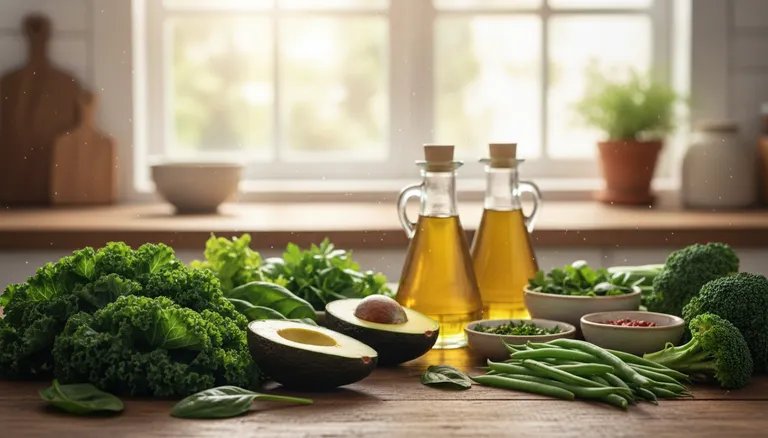
Your body needs many nutrients to work well, and vitamin K is key. It helps your blood clot and keeps your bones strong. It’s a fat-soluble nutrient that’s often overlooked.
Vitamin K comes in two types. Phylloquinone is found in leafy greens like spinach and kale. Menaquinones are in animal products and fermented foods.
Knowing how vitamin K works helps you eat better. It’s in your liver, brain, and bones, helping everything function right.
If you’re curious about vitamin K, this guide has you covered. It talks about diet, signs of lack, and how to boost your health.
Quick Answer
Vitamin K is a fat-soluble vitamin essential for blood clotting, bone mineralization, and arterial flexibility. It exists in two main forms: K1 (phylloquinone), found in leafy greens, and K2 (menaquinones, especially MK-7), found in fermented foods and animal products. K2 offers superior bioavailability and a longer half-life, making it the preferred supplemental form for bone and cardiovascular support. The adequate intake is 120 mcg/day for men and 90 mcg/day for women. Most adults meet basic needs through diet; targeted K2 supplementation (90–180 mcg MK-7 daily) optimizes bone density, osteocalcin activation, and calcium regulation beyond what food alone typically achieves.
Key Takeaways
- Vitamin K activates osteocalcin and matrix Gla-protein — the two proteins that bind calcium to bone tissue and prevent arterial calcification
- Without adequate vitamin K, calcium supplementation can accelerate arterial calcification rather than strengthen bones
- K2 (MK-7) is the most bioavailable and long-acting form — preferred for supplementation due to superior distribution in bones and blood vessels
- The Adequate Intake was set for blood clotting only — it does not account for K2’s distinct role in bone density and cardiovascular health optimization
- Natto (fermented soybeans) contains up to 850 mcg of MK-7 per 3 oz — the single richest dietary source of vitamin K2
- Deficiency is rare in healthy adults but common in newborns, those on warfarin, and people with fat malabsorption disorders
- Vitamin K works synergistically with vitamin D3 and magnesium — all three are needed for optimal bone mineralization and calcium regulation
1. What Is Vitamin K and Why Does It Matter?
Your body needs vitamin K for important functions. It’s a fat-soluble vitamin, meaning it dissolves in fats and oils. Knowing why it’s crucial helps you see why eating enough is important.
Vitamin K isn’t just one thing. It’s a group of related substances called 2-methyl-1,4-naphthoquinone. Think of it as a family with similar traits but different roles in your body.
Vitamin K activates proteins your body needs. It acts as a coenzyme, helping enzymes work. These proteins are key for blood clotting and bone metabolism.
When you get hurt, vitamin K helps stop bleeding. Without enough, even small injuries can be serious. It also helps your bones stay strong by binding calcium.
Vitamin K is broken down quickly by your body. It’s removed through urine or stool. This fast breakdown means it’s unlikely to become toxic, even with more intake.
Because vitamin K is quickly used up, you need to keep getting it from food. Unlike vitamins A or D, your body can’t store it. So, knowing where to get vitamin K is key for staying healthy.
2. The Two Main Types of Vitamin K Explained
Vitamin K is not just one vitamin. It’s a group of nutrients important for health. The two key types are vitamin K1 and vitamin K2. Each has its own sources, roles, and benefits.
The Plant Form: Understanding Phylloquinone
Vitamin K1, or phylloquinone, is found in plants. You can get it from green leafy veggies like spinach and kale.
It’s the main vitamin K in most diets. You can also find it in supplements in the U.S.
Phylloquinone helps with blood clotting. Eating veggies regularly usually provides enough of it.
The Bacterial Form: Exploring Menaquinones
Vitamin K2, or menaquinone, comes from bacteria. You can find it in fermented foods and from grass-fed animals.
Menaquinones are labeled as MK-4 to MK-13. MK-4 and MK-7 are the most beneficial for humans. Together with vitamin D3 and K2 for synergistic calcium regulation, these forms work together for optimal bone and cardiovascular health.
Natto, a Japanese dish, is rich in MK-7. Your gut bacteria also make vitamin K2, but how much you absorb is still being studied.[2][7]
Key Differences Between K1 and K2
Both K1 and K2 help with blood clotting. But vitamin K2 might be better for bones and heart health.
Here’s what sets them apart:
- Bioavailability: K2 is absorbed better and stays in your blood longer
- Half-life: Menaquinone lasts in your system for days, while K1 clears quickly
- Conversion: Your body can turn some K1 into MK-4, a K2 form, without bacteria
- Food sources: K1 is in plants, while K2 is in fermented and animal foods
- Tissue distribution: K2 gets to bones and arteries better than K1
3. How Vitamin K Functions in Your Body
Vitamin K is crucial for your body. It helps control bleeding, builds bones, and protects your heart. It does this through a complex enzyme system that turns inactive proteins into active ones. Knowing how vitamin K works shows why it’s so vital to eat it regularly.
The Role of Vitamin K-Dependent Proteins
Vitamin K helps the carboxylase enzyme add carbon dioxide groups to proteins. This process, called carboxylation, is essential for these proteins to work right in your body.
There are several important vitamin K-dependent proteins. Prothrombin (clotting factor II) stops bleeding when you’re injured. Your liver makes it, but vitamin K is needed for it to work.
Osteocalcin is vital for your bones. It helps calcium bind to bone tissue, keeping your bones strong and helping them grow right.
Matrix Gla-protein (MGP) is important for your blood vessels, cartilage, and bones. It stops calcium from building up in soft tissues, keeping your blood vessels healthy and preventing abnormal calcification.
Absorption and Storage
Vitamin K is absorbed in your small intestine, but it needs dietary fat to do so. When you eat foods with vitamin K, bile and pancreatic enzymes package it into mixed micelles.
These micelles help your intestinal cells absorb vitamin K well. Then, it goes into chylomicrons and travels through your lymphatic system to your liver.
Your liver sends vitamin K to different parts of your body. It’s found in your brain, heart, pancreas, and bones, where it does various jobs.
Vitamin K is not stored like some other vitamins. It’s quickly broken down and removed through urine and feces. So, you need to keep eating it to keep your levels healthy.[1][3]
4. Vitamin K Benefits for Bone Health
Strong bones need more than just calcium. Vitamin K is key to keeping your bones healthy all your life. It helps calcium get into your bones, not into your arteries or soft tissues. Knowing how vitamin K for bones works helps you choose better for your bones.
Researchers worldwide are studying vitamin K and bone strength. They found that enough vitamin K helps keep bone density high. It also lowers the risk of osteoporosis as you get older.
Activating Osteocalcin for Bone Mineralization
Vitamin K turns a special protein called osteocalcin into a calcium magnet in your bones. This protein attracts calcium molecules. It helps them get into the bone matrix, making your bones strong and dense.
Without enough vitamin K, osteocalcin doesn’t work. This is called “undercarboxylated.” Without it, calcium can’t get into bone tissue. Studies show that high levels of undercarboxylated osteocalcin mean lower bone mineral density. This is why vitamin K is so important.
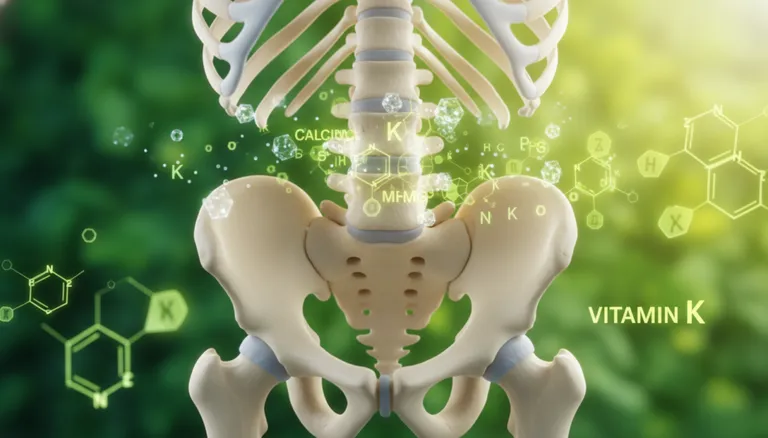
The bone mineralization process relies on this activation cycle. Vitamin K is like a key that unlocks osteocalcin’s power to strengthen bones from the inside.
Research on Vitamin K and Osteoporosis Prevention
More research supports vitamin K’s role in preventing osteoporosis. A big review looked at thirteen trials. Twelve showed vitamin K supplements improved bone mineral density.[4]
Studies favor vitamin K2 forms. MK-4 and MK-7 showed the most benefits, especially for postmenopausal women at high risk of osteoporosis.
The European Food Safety Authority approved a health claim for vitamin K. They say vitamin K helps keep bones normal.
In Japan and Asia, doctors use high-dose MK-4 (45 mg) for osteoporosis. A three-year study found MK-7 at 180 mcg daily improved bone strength and reduced vertebral height loss in postmenopausal women.[6]
Reducing Fracture Risk
Vitamin K supplements do more than just improve bone density. They lower fracture risk. Preventing bone breaks greatly improves quality of life.
Clinical trials show MK-4 supplements significantly reduced rates of hip and spinal fractures. These benefits are strongest with long-term use of vitamin K2 forms.
| Vitamin K Form | Bone Health Benefit | Research Evidence | Typical Dosage |
|---|---|---|---|
| MK-4 | Reduces hip and spinal fractures | Multiple Japanese trials | 45 mg (therapeutic) |
| MK-7 | Improves bone strength and density | European studies | 180 mcg daily |
| K1 (Phylloquinone) | Supports bone mineralization | Mixed results in trials | Varies by study |
| Combined K1 + K2 | Enhances overall bone health | Emerging research | Depends on formulation |
Reducing fracture risk is especially important for older adults. Even small improvements in bone strength can prevent serious breaks.
5. Heart Health and Cardiovascular Benefits
Vitamin K is more than just a clotting agent. It’s a key player in keeping your heart and blood vessels healthy. Studies show it helps protect your heart and blood vessels in many ways. Vitamin K keeps calcium in your bones and out of your arteries.
Stopping Calcium Where It Doesn’t Belong
Vitamin K plays a crucial role in stopping calcium from building up in your blood vessel walls. This buildup, known as arterial calcification, makes your arteries stiff and hard. It increases your risk of heart disease and stroke.
Vitamin K activates a protein called matrix Gla-protein (MGP). MGP stops calcium from building up in places it shouldn’t. Without enough vitamin K, MGP can’t do its job.
Researchers don’t know all the details, but vitamin K seems to lower inflammation and stop calcium buildup. It’s like MGP is directing traffic, making sure calcium goes to your bones, not your blood vessels.
Keeping Your Arteries Flexible
Flexible arteries are key to good heart health. They can expand and contract with each heartbeat. But when arteries get calcified, they lose this flexibility.
Vitamin K helps keep your arteries flexible by stopping calcification. Stiff arteries make your heart work harder, leading to high blood pressure and poor circulation. Vitamin K keeps your arteries flexible, helping your heart work better.[5]
Lowering Your Risk of Heart Disease
Studies show that eating more vitamin K1 from veggies can lower heart disease risk. Vitamin K2 from fermented foods and animal products also looks promising. For complementary cardiovascular support, explore our guide on omega-3 fatty acids and cardiovascular wellness. More research is needed, but the signs are good.[11]
“Vascular calcification is one of the risk factors for coronary heart disease because it reduces aortic and arterial elasticity.”
The benefits of vitamin K are likely due to several factors. It reduces inflammation, stops calcium buildup, and keeps blood vessels healthy. While more research is needed, the current evidence suggests vitamin K is good for your heart health.
6. Blood Clotting and Wound Healing Properties
Vitamin K is key in stopping too much bleeding by helping your body coagulate. It’s the base of your healing when you get hurt. Without enough, even small cuts can turn serious.
Your body needs vitamin K to turn blood into solid clots when it should. This keeps you safe from losing too much blood and helps wounds heal.
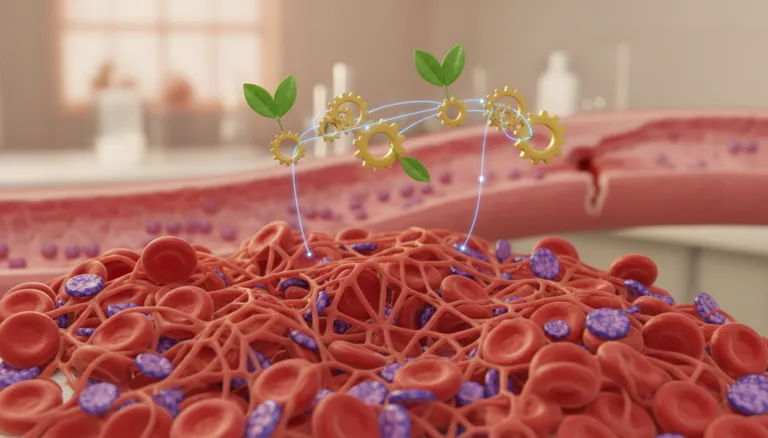
The Clotting Cascade in Action
When you get hurt, your body starts a complex process called the clotting cascade. Vitamin K helps activate at least four clotting factors out of thirteen needed for clotting.
The most vital vitamin K-dependent protein is prothrombin, or clotting factor II. It’s in your plasma and helps form blood clots. Without enough vitamin K, prothrombin and other factors can’t work.
Other important proteins include Factor VII, Factor IX, and Factor X. They work together to turn liquid blood into a clot that seals wounds. Low vitamin K levels can cause bleeding and bruising from small injuries.
Supporting Recovery After Surgery
Vitamin K is crucial for people having surgery or recovering from injuries. Good blood clotting is key for healing at the surgical site.
Doctors often give vitamin K before big surgeries to prevent bleeding. It also helps when blood-thinning meds like warfarin (Coumadin) cause too much bleeding.
Your body balances clotting and anticlotting to avoid too much bleeding or clotting in blood vessels.[15]
7. Additional Science-Backed Vitamin K Benefits
Recent studies have shown vitamin K’s surprising health benefits. It supports your brain and helps control blood sugar. Vitamin K is found in your brain, heart, pancreas, and liver, showing its wide-ranging effects.
It may also help with morning sickness during pregnancy. This suggests vitamin K has many benefits for your body.
Supporting Your Mind and Memory
Your brain has a lot of vitamin K, especially in areas for memory and learning. It helps make sphingolipids, which are special fatty compounds in brain cells. Without enough, brain cells can’t talk to each other well.
Studies link vitamin K to better brain function in older adults. They show better memory and speed. Vitamin K’s presence in the brain hints at its key role in brain health.[8]
Calming Inflammation Throughout Your Body
Vitamin K has strong anti-inflammatory effects. It helps control cytokines, which your immune system uses to fight off injury and infection.
Chronic inflammation causes many diseases, like arthritis and heart disease. Vitamin K’s anti-inflammatory action may help prevent these diseases. This could explain many of its benefits.
The anti-inflammatory effects of vitamin K are a new area in nutritional science. They could explain benefits in many parts of the body.
Early Research on Cancer Prevention
Early studies suggest vitamin K, especially K2, might fight cancer. It can affect how cancer cells grow and may kill abnormal cells. Research focuses on liver and prostate cancers.
But, this research is still in its early stages. Vitamin K should not be seen as a cancer treatment. More study is needed to confirm its cancer prevention benefits.
Helping Control Blood Sugar Levels
Vitamin K may help control blood sugar and prevent diabetes. People with enough vitamin K have better insulin sensitivity. This means their cells use insulin better, keeping blood sugar stable.
Interestingly, vitamin K affects the pancreas, which makes insulin. This could help regulate insulin secretion. Studies suggest vitamin K intake is linked to lower diabetes risk. Scientists are still learning how.[9]
These findings show vitamin K’s importance goes beyond blood clotting and bone health.
8. Best Plant-Based Food Sources of Vitamin K
Plant-based foods are rich in vitamin K1, a key nutrient. Green leafy vegetables and vegetable oils are the main sources. Adding these foods to your meals helps meet your vitamin K needs while enjoying tasty, healthy dishes.
Plant-based sources are versatile and easy to use. They can be added to salads, smoothies, and many other dishes. Whether you’re cooking a quick dinner or meal prepping, these foods fit well into any diet.
Dark Leafy Greens Pack the Most Nutritional Power
Dark leafy greens are vitamin K superstars. They have so much phylloquinone that a small serving can meet your daily needs.
Collard greens are at the top, with half a cup cooked providing 530 mcg of vitamin K. This is more than four times the daily adult intake. Turnip greens come close, with 426 mcg per half cup when cooked.
Spinach and kale are also great, offering lots of vitamin K. Raw spinach has 145 mcg per cup, and raw kale has 113 mcg. Cooking doesn’t reduce their vitamin K, so you can enjoy them any way you like.

Cruciferous Vegetables Offer Excellent Variety
Cruciferous vegetables are another great source of vitamin K. Broccoli is a standout, with 110 mcg per half cup when cooked. This is almost the daily amount in just one serving.
Brussels sprouts and cabbage also add to your vitamin K intake. You can roast, steam, or stir-fry them. Their sweet flavor when roasted makes them appealing to everyone.[16]
Herbs and Spices Add Concentrated Nutrition
Fresh herbs are packed with nutrition, including vitamin K. Fresh parsley, cilantro, and basil are surprisingly rich in this vitamin. Even a small amount can provide valuable amounts.
Visit Porter Ranch Medical Center for science-backed supplement guidance. Adding fresh herbs to your dishes does more than add flavor. It boosts your vitamin K intake in a tasty way. Try topping salads, soups, and main dishes with fresh herbs regularly.
Oils and Additional Plant Options
Vegetable oils are another easy source of vitamin K. Soybean oil has about 25 mcg per tablespoon, and canola oil has around 10 mcg per tablespoon. These oils are great for salad dressings and cooking, making them easy to add to your diet.
Other plant foods also contribute to your vitamin K intake. Edamame, soybeans, and okra are all good sources. Even fruits like pomegranate juice, blueberries, and grapes offer smaller but still important amounts. This variety helps those looking to add more vitamin K to their diet.
| Food Source | Serving Size | Vitamin K Content (mcg) | % of Daily Adequate Intake |
|---|---|---|---|
| Collard Greens (cooked) | ½ cup | 530 | 442% |
| Turnip Greens (cooked) | ½ cup | 426 | 355% |
| Spinach (raw) | 1 cup | 145 | 121% |
| Kale (raw) | 1 cup | 113 | 94% |
| Broccoli (cooked) | ½ cup | 110 | 92% |
9. Animal-Based and Fermented Sources of Vitamin K2
Vitamin K2 is found in animal products and fermented foods, offering unique health benefits. Unlike vitamin K1 in leafy greens, menaquinones come from bacterial fermentation and animal tissues. These sources may stay in your body longer, enhancing bone and heart health.
Knowing where to find quality K2 is key to a balanced diet. Research on the synergistic benefits of taking vitamin D and K2 together shows how fat-soluble vitamin shortfalls are among the most commonly missed. The amount of K2 varies between conventional and grass-fed products. Choosing the right foods is crucial for good nutrition.
Traditional Fermented Powerhouse
Natto is the top source of vitamin K2. This Japanese dish, made from fermented soybeans, has 850 mcg of MK-7 in just 3 ounces. That’s more than ten times the daily intake most adults need.
The fermentation process in natto creates high levels of menaquinones. While natto’s sticky texture and strong taste may take some getting used to, it offers great nutritional benefits.
Other fermented foods, like aged cheeses and sauerkraut, have less K2. However, their content can vary based on how they are fermented.
Quality Matters in Animal Products
Animals convert vitamin K1 from grass into K2 in their tissues. This means grass-fed dairy and meat have more menaquinones than conventional products. Foods like grass-fed butter and cheese have higher MK-4 levels because pasture-raised animals eat natural diets.
Ground beef from grass-fed cattle has about 6 mcg of K2 per 3-ounce serving. Rotisserie chicken breast offers 13 mcg in the same size. Even regular meat has some K2, especially in poultry and pork, thanks to added menadione in animal feed.
Everyday Animal Sources
Eggs have about 4 mcg of MK-4 per large egg, with most in the yolk. Pasture-raised eggs have more K2 than regular eggs. Adding eggs to your diet regularly gives you consistent K2 and protein.
Organ meats are another good source. Chicken liver has 6 mcg of K2 per 3-ounce serving, similar to ground beef. While not common in modern diets, organ meats historically provided important nutrients, including menaquinones.
| Food Source | Serving Size | Vitamin K2 Content | K2 Form |
|---|---|---|---|
| Natto | 3 ounces | 850 mcg | MK-7 |
| Chicken Breast (Rotisserie) | 3 ounces | 13 mcg | MK-4 |
| Ground Beef | 3 ounces | 6 mcg | MK-4 |
| Chicken Liver | 3 ounces | 6 mcg | MK-4 |
| Cheddar Cheese | 1.5 ounces | 4 mcg | MK-4 |
| Hard-Boiled Egg | 1 large | 4 mcg | MK-4 |
Animal sources may have less vitamin K than leafy greens per serving. But the K2 form may be retained longer in your body. Studies show menaquinones are better for bone and heart health than phylloquinone. Eating both plant and animal sources ensures you get all the vitamin K you need for good health.[13]
10. Recommended Vitamin K Dosage Guidelines
Vitamin K needs change with age, gender, and life stage. Unlike many nutrients, vitamin K has Adequate Intake guidelines. These amounts are what healthy people usually eat and are enough for good health.
Knowing these guidelines helps you make sure you get enough vitamin K. You can do this through food or supplements when needed.
How Much Adults Need Based on Gender
Adult men and women need different amounts of vitamin K. Men aged 19 and up need 120 micrograms daily. Women in the same age group need 90 micrograms per day.
These amounts are based on what healthy people usually eat. Scientists use Adequate Intakes instead of strict needs. This is because they don’t have enough evidence for exact minimums for everyone.[10]
Age-Specific Amounts for Young People
Children and teens need more vitamin K as they grow. The amounts needed increase from infancy to the teenage years. This supports their developing bodies.
Here’s a breakdown of vitamin K dosage by age group:
- Infants 0-6 months: 2 micrograms daily
- Infants 7-12 months: 2.5 micrograms daily
- Children 1-3 years: 30 micrograms daily
- Children 4-8 years: 55 micrograms daily
- Children 9-13 years: 60 micrograms daily
- Adolescents 14-18 years: 75 micrograms daily (both boys and girls)
Most kids get enough vitamin K from a balanced diet. Babies get enough from breast milk and a vitamin K shot at birth.
Needs During Pregnancy and Nursing
Pregnant and breastfeeding women need the same amount as other adult women. Women over 19 need 90 micrograms daily. Those under 19 need 75 micrograms daily.
Research shows pregnancy and nursing don’t increase vitamin K needs much. But, it’s crucial for both mom’s health and baby’s development, especially for blood clotting and bone growth.
Higher Amounts for Medical Purposes
Doctors sometimes give high doses of vitamin K for certain health issues. These doses are much higher than what you’d get from food.
In Japan, doctors often give 45 milligrams (45,000 micrograms) of vitamin K2 MK-4 daily for osteoporosis. People with malabsorption or taking certain medications might also need more under a doctor’s care.
Never take high doses without talking to your doctor. Your needs can vary based on your health and other factors.
11. Common Signs and Symptoms of Vitamin K Deficiency
Your body sends clear signals when vitamin K levels drop too low. Knowing what to watch for can protect your health. Vitamin K deficiency is rare in healthy adults eating varied diets. Recognizing deficiency signs early can prevent serious complications.
The most noticeable vitamin K deficiency symptoms involve problems with blood clotting. Bone health issues may develop over time.
Vitamin K plays a critical role in your body’s clotting system. Identifying unusual bleeding patterns is essential. Anyone experiencing persistent or unexplained bleeding should consult a healthcare provider for proper evaluation.
Excessive Bleeding and Easy Bruising
The primary vitamin K deficiency symptoms involve bleeding problems. This nutrient is essential for normal blood clotting. You might notice cuts that bleed longer than normal or take excessive time to stop bleeding.
Easy bruising from minor bumps can signal low vitamin K levels. Other common deficiency signs include frequent nosebleeds, bleeding gums when brushing teeth, or small red or purple spots under the skin called petechiae caused by broken capillaries.
In severe cases, dangerous internal bleeding or hemorrhaging can occur. A laboratory test measuring prothrombin time shows how long your blood takes to clot. It can confirm vitamin K deficiency when results are prolonged.[12]
Weakened Bones and Increased Fracture Risk
Chronic low vitamin K intake may contribute to reduced bone density over time. Conditions like osteopenia or osteoporosis can develop, particularly in older adults. Vitamin K activates osteocalcin for proper bone mineralization.
Bone-related deficiency signs are less obvious than bleeding symptoms but equally important. Increased fracture risk from minor falls or impacts may indicate insufficient vitamin K levels affecting your skeletal health.
Heavy Menstrual Periods
Women with vitamin K deficiency may experience unusually heavy or prolonged menstrual bleeding. If your periods suddenly become much heavier than normal or last significantly longer, this could indicate a clotting problem related to low vitamin K.
This symptom often appears alongside other bleeding-related deficiency signs like easy bruising or nosebleeds.
Blood in Urine or Stool
Vitamin K deficiency can cause bleeding in the gastrointestinal or urinary tract. Blood in urine, called hematuria, may make urine appear pink, red, or cola-colored.
Dark, tarry stools indicate gastrointestinal bleeding higher in the digestive tract. These symptoms always warrant immediate medical attention regardless of the cause. They can signal serious health problems beyond vitamin K deficiency.
Other warning signs in severe deficiency may include feeling sleepy, throwing up, seizures, yellowing of the skin and eyes (jaundice), or pale skin. Remember that true vitamin K deficiency remains uncommon in healthy adults. But certain medications or digestive disorders can increase your risk.
12. Who Is Most at Risk for Vitamin K Deficiency?
Some health conditions, medications, and life stages increase your risk of vitamin K deficiency. While many get enough vitamin K from food, certain groups need to watch their intake more. Knowing who’s at risk helps prevent and treat the issue.
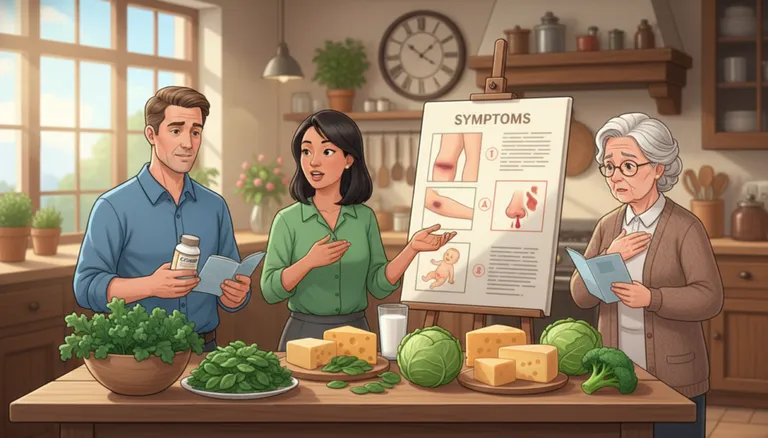
Digestive and Absorption Challenges
People with fat absorption issues struggle to get enough vitamin K. Vitamin K is fat-soluble, so good digestion is key for absorption.
Inflammatory bowel diseases like Crohn’s and ulcerative colitis make it hard to absorb nutrients. Celiac disease, cystic fibrosis, and short bowel syndrome also hinder vitamin K absorption.
Those who’ve had bariatric surgery may also face malabsorption problems. Chronic gallbladder or pancreatic diseases can mess with bile production, affecting fat-soluble vitamin absorption.[17]
Medication Interference
Some medications can lower vitamin K levels. Antibiotics can kill good gut bacteria that make vitamin K2, leading to deficiency during long-term use.
Bile acid sequestrants for high cholesterol reduce fat and vitamin K absorption. Certain anticonvulsants can also deplete vitamin K over time.
People on warfarin need to manage their vitamin K levels carefully. This is important to avoid interactions and ensure safety.
Vulnerability in Early Life
Newborns and infants are at the highest risk of vitamin K deficiency. Babies are born with low vitamin K because it doesn’t pass through the placenta well.
Breast milk has little newborn vitamin K, making exclusively breastfed babies more at risk. That’s why hospitals give vitamin K injections at birth to prevent bleeding.
Dietary Insufficiency
Severe malnutrition or very limited diets can lead to vitamin K deficiency. Heavy drinking can also affect nutrient absorption and increase deficiency risk over time.
However, vitamin K deficiency due to diet is rare in developed countries. Most people can get enough vitamin K from leafy greens and other foods.
13. Choosing and Taking Vitamin K Supplements
If you can’t get enough vitamin K from food, supplements are a good choice. Knowing the different types and how to use them is key. This helps you pick the right one for your health needs.
Different Forms on the Market
Many multivitamins have less than 75% of the daily vitamin K value. They usually have about 60-80 mcg. These are often called K1 supplements in the U.S.
Standalone vitamin K products offer more choices, from 100 mcg to over 4,050 mcg. K2 supplements are available in MK-4 and MK-7 forms. MK-7 stays active in your body longer.
Some supplements mix vitamin K with calcium, magnesium, and vitamin D. These blends aim to support bone health and heart health.
How Much and When to Take
For everyday health, 90-120 mcg of supplements is usually enough for adults. If you need more, talk to a doctor first.
Take your vitamin K pills with your biggest meal of the day. This helps your body absorb it better.[18]
Boosting Uptake with Dietary Fat
Vitamin K works best with dietary fats. Try adding healthy fats like olive oil, avocado, nuts, or fatty fish to your meals.
Don’t take supplements on an empty stomach. It’s best to take them with food that has some fat for better absorption.
Situations That Call for Supplements
There are times when supplements are really helpful. If you have a vitamin K deficiency or trouble absorbing it, supplements can help.
Women after menopause might want to take supplements to prevent bone loss. If you don’t eat many veggies or take antibiotics often, supplements can also be beneficial.
For a complete approach, read our guide on building a balanced daily vitamin supplement routine. Always talk to your doctor before starting any supplements, especially if you’re on medication.
14. Important Drug Interactions and Safety Considerations
Knowing about vitamin K safety and drug interactions is key to avoiding serious issues. This nutrient is usually safe, but some medicines can affect it. It’s important to know these interactions before starting supplements.
Blood Thinner Interactions
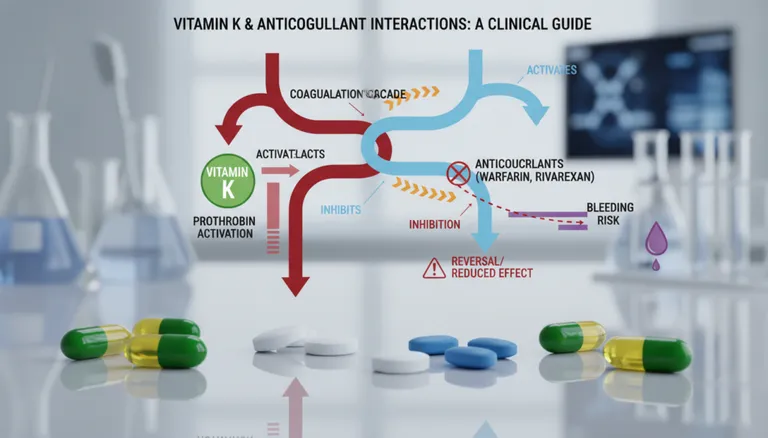
The warfarin interaction with vitamin K is critical. Warfarin, known as Coumadin, stops vitamin K from helping blood clot. Doctors adjust the dose to prevent clots and bleeding.
Too much vitamin K can make warfarin less effective, raising clot risk. Too little can cause dangerous bleeding. It’s vital to keep vitamin K intake steady.[14]
People on anticoagulants need to talk to their doctor about vitamin K supplements. Your doctor might use vitamin K to stop bleeding if warfarin causes too much.
Antibiotics and Other Medication Concerns
Antibiotics can unexpectedly affect vitamin K levels. They kill good bacteria that make vitamin K2. This can lower your body’s vitamin K production during long antibiotic use.
Other medicines can also interact with vitamin K. Bile acid sequestrants for cholesterol and weight-loss drugs can reduce vitamin K absorption. This is because vitamin K needs fat to be absorbed.
Some medications, like aspirin and cancer treatments, can also affect vitamin K. Always discuss vitamin K supplements with your doctor if you’re on any medications.
Potential Side Effects and Upper Limits
Vitamin K is safe, unlike vitamins A and D. There’s no known toxicity at high doses. No upper intake level has been set because no adverse effects have been found.
Side effects from vitamin K supplements are rare. Most people don’t have any issues. But, high doses might cause stomach upset, loss of appetite, or mild nausea.
Rarely, high doses can lead to breathing trouble, swelling, or irritability. But these are very rare and usually happen with extremely high doses. Vitamin K is generally very safe compared to other nutrients.
Who Should Avoid High-Dose Supplements
Some people should be careful with vitamin K supplements. If you’re on Coumadin or other anticoagulants, get medical advice before supplementing. Your medication dose depends on your vitamin K intake.
People planning surgery should tell their doctors about vitamin K supplements. It affects blood clotting, which is important during and after surgery. Your surgeon might advise stopping supplements before surgery.
Those with a history of blood clots, stroke, or heart attack should also talk to their doctor. Vitamin K is good for the heart, but your situation is unique. Your doctor can decide if supplements are right for you.
15. Conclusion
Knowing about vitamin K importance helps you make better choices for your health. This key nutrient is vital for your body. It helps with blood clotting, strengthens bones, and keeps your heart healthy.
You can get enough vitamin K from a balanced diet. Leafy greens, broccoli, and vegetable oils are good sources of vitamin K1. Vitamin K2 is found in fermented foods, grass-fed dairy, eggs, and meat. Most adults in the U.S. get enough without supplements.
Vitamin K deficiency is rare in healthy adults. But, newborns are at higher risk because they don’t get enough from their mothers. Hospitals give newborns shots to prevent this. People on blood thinners, with digestive issues, or taking antibiotics need to watch their intake closely.
This summary shows that eating right is more important than supplements for most. Eat green veggies every week. If you eat meat, add fermented foods to your diet. These habits help with blood clotting, bone health, and heart health at all ages.[19][20]
Frequently Asked Questions
What is the difference between vitamin K1 and K2?▼
Vitamin K1 comes from plants and is found in spinach and kale. Vitamin K2 is made by bacteria and is in foods like natto and animal products from grass-fed animals. Both help with blood clotting, but K2 might be better for bones and heart health.
K2 is more easily absorbed and stays in the body longer. It comes in different types, with MK-4 and MK-7 being the most important for us.
How much vitamin K do I need daily?▼
The amount of vitamin K you need depends on your age and gender. Adult men need 120 mcg daily, while women need 90 mcg. Children need less, with infants needing 2-2.5 mcg.
Pregnant and breastfeeding women also need 90 mcg daily. You can easily get enough vitamin K from eating leafy greens.
What are the best food sources of vitamin K?▼
Dark leafy greens like collard greens are rich in vitamin K1. Just half a cup of cooked collard greens gives you over 500 mcg.
Natto, a fermented soybean dish, is a top source of vitamin K2 with 850 mcg in 3 ounces. Other good sources include broccoli, parsley, and grass-fed dairy products.
Can I take vitamin K if I’m on blood thinners like warfarin?▼
If you’re on warfarin, be careful with vitamin K. It can make your medication less effective or cause bleeding. Always talk to your doctor before starting vitamin K supplements.
Stick to a consistent amount of vitamin K from food and work with your doctor to adjust your medication.
What are the signs of vitamin K deficiency?▼
Signs of vitamin K deficiency include bleeding easily and bruising. You might also have nosebleeds, bleeding gums, and small spots under the skin.
Women may experience heavy or prolonged menstrual bleeding. In severe cases, you could have internal bleeding.
Is vitamin K deficiency common?▼
Vitamin K deficiency is rare in healthy adults who eat a varied diet. But, some groups are at higher risk. These include newborns, people with digestive issues, and those on certain medications.
Most people can get enough vitamin K from leafy greens and other K-rich foods.
How does vitamin K benefit bone health?▼
Vitamin K helps bones by activating osteocalcin. This protein binds calcium, making bones strong. Without enough vitamin K, bones may weaken.
Studies show vitamin K supplements, especially MK-4 and MK-7, improve bone density. They reduce the risk of fractures, especially in postmenopausal women.
Can vitamin K prevent heart disease?▼
Yes, vitamin K may help prevent heart disease. It keeps arteries flexible by preventing calcium buildup. This reduces the risk of heart attacks and strokes.
Research shows people with higher vitamin K intake have lower heart disease rates.
Should I take vitamin K supplements or get it from food?▼
Most people can get enough vitamin K from food, especially leafy greens. But, some may need supplements. These include postmenopausal women, people with malabsorption issues, and those on antibiotics.
Take supplements with meals that have fat to improve absorption. Choose MK-7 for longer-lasting benefits.
Can you take too much vitamin K?▼
Vitamin K is very safe, even at high doses. There’s no known toxicity from food or supplements. Side effects are rare and may include mild stomach upset.
However, people on blood thinners should avoid high doses without doctor’s advice. Inform your doctor about supplement use before surgery.
Do gut bacteria really produce vitamin K?▼
Yes, gut bacteria produce vitamin K2, especially MK-7. But, the amount and absorption are uncertain. Most K2 is made in the colon, where absorption is lower.
While gut bacteria contribute, dietary intake is still crucial for meeting daily needs.
Why do newborns receive vitamin K injections?▼
Newborns have low vitamin K stores because it doesn’t cross the placenta well. They also get little from breast milk. This puts them at risk for bleeding.
To prevent this, hospitals give vitamin K injections at birth. This ensures they have enough until their diet and gut bacteria can support them.
What is the best time of day to take vitamin K supplements?▼
Take vitamin K with your largest meal of the day. This meal should have healthy fats like olive oil or avocado. This improves absorption.
Don’t take it on an empty stomach. It reduces absorption significantly.
Does cooking destroy vitamin K in vegetables?▼
Cooking doesn’t significantly reduce vitamin K in vegetables. In fact, it can concentrate it. You can fit more cooked spinach in a serving than raw.
Lightly cooking with healthy fats can enhance absorption. Both raw and cooked veggies are good sources.
Can vitamin K supplements cause blood clots?▼
No, vitamin K supplements don’t cause blood clots in healthy people. Your body balances clotting and anticlotting mechanisms well. This prevents both excessive bleeding and inappropriate clotting.
The concern is for people on blood thinners. Sudden increases in vitamin K can reduce medication effectiveness and cause clots.
Is vitamin K important during pregnancy?▼
Yes, vitamin K is crucial during pregnancy for both mother and baby. Pregnant women need 90 mcg daily. There’s no evidence that pregnancy increases vitamin K needs.
However, newborns are born with low vitamin K stores. This is why they receive preventive injections at birth.
Related Reading
Sources
- NIH Office of Dietary Supplements — Vitamin K
- Linus Pauling Institute — Vitamin K
- Shearer MJ et al. — Vitamin K nutrition, metabolism, requirements (PMC6040265)
- Hamidi MS et al. — Vitamin K2 supplementation and bone health (PMC4580041)
- Harshman SG, Shea MK — Vitamin K and cardiovascular disease (PMC5949937)
- Knapen MH et al. — MK-7 improves bone strength in postmenopausal women
- Schurgers LJ et al. — Vitamin K2 bioavailability vs K1
- Ferland G — Vitamin K and brain function
- Yoshida M et al. — Vitamin K and insulin sensitivity
- Vermeer C — Vitamin K: the effect on health beyond coagulation
- Theuwissen E et al. — Vitamin K and soft-tissue calcification
- Remedy’s Nutrition — Nutritional Deficiencies and Hair Analysis
- Booth SL — Roles for vitamin K beyond coagulation
- Maresz K — K2 as promoter of bone and cardiovascular health
- Azuma K et al. — Vitamin K and vertebral fracture risk
- Crowther MA et al. — Management of coumarin-associated coagulopathy (PMC3890100)
- USDA FoodData Central
- Healthline — Vitamin K2: Everything You Need to Know
- Medical News Today — What is vitamin K and why do we need it?
- Harvard T.H. Chan School of Public Health — Vitamin K