

This essential nutrient plays a starring role in your overall wellness. It helps your body absorb critical minerals like calcium and phosphorus, which are fundamental for maintaining strong bones and teeth.
Official guidelines, like those from the National Institutes of Health, set the target. For most adults, the goal is to consume 600 International Units (IU) each day.[1]
Yet, for many people, hitting that target can be tricky. If you live in a northern climate, sunlight—a primary source—is often scarce for months at a time.[5]
This doesn’t mean you’re out of luck. You can absolutely get enough of this vital compound by smartly combining safe time outdoors with wise dietary choices. For a deeper look at how vitamin D functions in the body, see this complete vitamin D benefits and dosage reference.
Our guide will walk you through practical, natural ways to support your health goals. We’ll explore how to harness the power of the sun safely and identify the best vitamin D food sources to include in your daily meals. For an overview of evidence-based vitamins and supplements research, visit our evidence-based nutrition and supplement guides.
Quick Answer
The best natural vitamin D food sources are fatty fish (salmon, mackerel, sardines), egg yolks, UV-exposed mushrooms, and fortified foods (milk, OJ, cereals). For sun exposure, aim for 10–30 minutes of midday sun on arms and legs a few times per week — exact timing varies by skin tone, season, and latitude. Combine both strategies year-round; use vitamin D3 supplements in winter when sunlight is insufficient.
Key Takeaways
- This nutrient is crucial for helping your body use calcium and phosphorus effectively.
- The recommended daily intake for adults is 600 IU (15 mcg).
- Limited winter sunlight makes it hard for many people to meet their needs.
- A balanced approach using both diet and sensible sun exposure is key.
- Understanding natural sources can help you maintain optimal levels year-round.
- Simple daily habits can make a significant difference in your long-term wellness.
Understanding Vitamin D and Its Health Benefits
Scientists now understand that this key nutrient acts like a hormone. It influences systems throughout your body for overall wellness.
How Vitamin D Supports Bone and Muscle Health
This compound is essential for skeletal strength. It helps your body absorb and retain calcium. Strong bones rely on this process.
It also plays a vital role in muscle function. Research indicates it helps prevent weakness. Better physical performance in adults is a key benefit.[3]
Beyond Bones: Immune and Mental Health Benefits
Laboratory studies show this nutrient can help control infections. Many organs have receptors for it, suggesting wide-ranging roles.
Emerging science links adequate levels to better mental health. It may help reduce inflammation throughout the body. This systemic effect is crucial for disease prevention.
| Body System | Primary Benefit | Key Function |
|---|---|---|
| Skeletal System | Strong bone structure | Enhances calcium absorption |
| Muscular System | Improved strength and function | Prevents muscle weakness |
| Immune System | Infection control support | Modulates immune response |
| Nervous System | Mental wellness support | May reduce inflammation |
How Sun Exposure Impacts Vitamin D Production
Soaking up some rays does more than just warm your skin; it triggers a vital internal process. When you step outside, your body can actually manufacture its own supply of an essential nutrient.
This natural production is a direct result of sunlight interacting with your body.
The Role of UVB Rays in Vitamin D Synthesis
Specific ultraviolet light, known as UVB, is the key player. It reaches your skin and breaks down a compound called 7-dehydrocholesterol. This reaction creates vitamin D3, the form your body uses.[2]
The amount you produce isn’t constant. It depends heavily on the sun’s intensity. Your geographic location, the time of year, and even the time of day all influence this. For a comprehensive breakdown of how these variables affect production, see our detailed guide to vitamin D sun exposure requirements by skin type and season.
Remember, ordinary window glass completely blocks UVB light. Sitting in a sunny car or by an office window won’t help your body synthesize this nutrient.
While sunlight is a primary source, balance is crucial. Too much exposure raises skin cancer risks. Understanding this interaction helps you know when to seek shade or rely on dietary sources instead. Note that sunscreen application can significantly reduce synthesis — research shows it may lower production by over 90%.[9]
Challenges in Achieving Adequate Vitamin D Levels
Despite its importance, many individuals struggle to maintain optimal levels due to a combination of environmental and biological factors. These hurdles make it difficult for a significant portion of the population to get enough of this crucial nutrient naturally.

Seasonal and Geographic Limitations
Where you live has a huge impact. Those far from the equator receive limited UVB light for much of the year.
In cities like Boston, Edmonton, and Bergen, people cannot make enough from the sun for 4, 5, and 6 months respectively. This long “vitamin winter” creates a major seasonal gap in natural production.[5]
Impact of Skin Tone and Aging on Vitamin D Production
Your personal characteristics also play a role. Higher melanin in darker skin acts as a natural sunscreen, reducing synthesis.[6]
Research shows about 75% of Black adults in the U.S. have blood levels below 50 nmol/L. Older age brings another risk, as skin becomes less efficient at production over time.
Obesity further complicates matters, as the compound can become trapped in fat tissue.
| Primary Challenge | How It Lowers Levels | Groups Most Affected |
|---|---|---|
| Northern Latitude | Reduces UVB exposure for months | People in northern U.S., Canada, Northern Europe |
| Darker Skin Tone | Melanin blocks UVB rays | Black, Hispanic, and South Asian populations |
| Advanced Age | Skin produces less efficiently | Adults over 65 |
| High Body Fat | Traps the nutrient in fat cells | Individuals with obesity |
Incorporating Vitamin D Foods Into Your Diet
A simple strategy for better health involves understanding the difference between naturally rich and fortified options. Since very few items contain high amounts naturally, many common groceries have this nutrient added during processing.

Natural Food Sources versus Fortified Options
Your daily nutrition can get a reliable boost from enhanced products. For example, a cup of fortified orange juice provides about 137 IU. That’s roughly 17% of the daily target.[11]
Many dairy items and plant-based milks are also common carriers. Breakfast cereals are another popular choice. Always check the label to see how much is added, as amounts vary by brand.
| Source Type | Example Foods | Key Consideration | Approximate IU per Serving |
|---|---|---|---|
| Natural | Fatty fish, egg yolks, mushrooms | Limited variety; amounts can be low | Varies widely (e.g., 100–1000 IU) |
| Fortified | Milk, orange juice, plant milks, cereals | Added amount is standardized on label | Often 100–150 IU per serving |
Pairing these items with a source of healthy fat, like olive oil, can help your body absorb the nutrient more effectively. This makes fortified choices a practical dietary strategy for many people.
Remember, verification is key. The content in different products can differ significantly. Making informed choices at the store supports your long-term wellness goals. To understand exactly how much you need, see our guide on how much vitamin D you need per day by age and sex.
Exploring Natural Sources Beyond the Dinner Plate
Nature provides some of the most concentrated sources of essential nutrients. These options go beyond typical fortified items you find at the store.
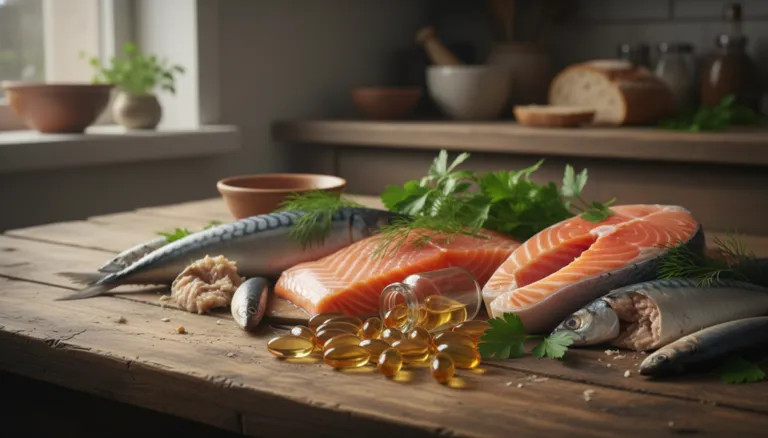
Cod Liver Oil and Fatty Fish as Nutrient Powerhouses
Fatty fish like salmon, trout, and mackerel are top-tier natural providers. A single 3-ounce serving of wild sockeye salmon delivers about 447 IUs.[1]
That’s over half of the daily target in one meal. Including these seafood choices regularly can make a big difference.
For those who don’t enjoy eating fish, cod liver oil is a powerful alternative. Just a small dose offers a concentrated boost of this vital vitamin.
It’s a traditional supplement that packs a serious punch. Many people find it an easy way to meet their needs.
Beef liver is another nutrient-dense source. It should be eaten occasionally rather than daily due to its high content.
Adding these natural items to your routine offers a reliable path to better health. You won’t have to depend only on enhanced products.
Special Considerations for Vegans and Vegetarians
Adopting a vegan or vegetarian diet brings unique considerations for obtaining essential nutrients. While it’s entirely possible to maintain optimal levels, it requires mindful selection of specific items.

Vitamin D Options in Plant-Based Diets
Fortunately, several fortified products and one unique natural source can help. UV-exposed mushrooms are a standout. When treated with ultraviolet light during growth, they naturally produce this compound.[7]
A half-cup serving can offer up to 450 International Units. That’s a significant boost toward your daily goal. These special fungi are a game-changer for plant-based eaters.
For vegans, fortified plant milks are a daily staple. Options like soy, oat, and almond milk are often enriched. Always check the label to confirm the added amount. A 2021 review on plant-based vitamin D found these fortified options are increasingly reliable for meeting daily requirements.[8]
Fortified breakfast cereals are another convenient choice. They can provide a reliable morning dose. Pairing them with fortified milk alternatives creates a powerful combo.
Vegetarians have a wider array. They can include egg yolks and fortified dairy products like yogurt. This adds flexibility to their meal planning.
| Plant-Based Source | Example | Key Benefit | Approximate IU per Serving |
|---|---|---|---|
| Natural Fungus | UV-Exposed Mushrooms | Unique non-fortified option | Up to 450 IU (½ cup) |
| Fortified Beverage | Soy Milk | Common dairy alternative | ~100–150 IU (1 cup) |
| Fortified Beverage | Oat Milk | Popular plant-based choice | ~100–150 IU (1 cup) |
| Fortified Food | Breakfast Cereal | Easy to incorporate | Varies; check label |
Planning a plant-based diet with attention to these fortified products makes it easier to support your wellness. As one nutrition expert notes, “Informed label reading is the cornerstone of a balanced vegan nutrition plan.”
Recognizing Signs of Vitamin D Deficiency and Toxicity
Maintaining balanced nutrient levels is vital, but both deficiency and excess can pose serious health risks. Your body communicates through clear signals when something is off.
Common Symptoms of Low Vitamin D
Feeling persistently tired or achy can be a key warning. Common signs include fatigue, bone pain, muscle weakness, and mood changes.[10]
These symptoms often point to a low vitamin D status. You might also experience feelings of sadness. Recognizing these signs early is crucial for addressing a potential deficiency. For a complete review of vitamin D deficiency symptoms and risk factors, the Remedy’s Nutrition complete guide to vitamin D benefits, sources, and deficiency[4] is an excellent resource.
When to Consult Your Healthcare Provider
If you notice these warnings, talk to your doctor. They can order a simple blood test to check your levels.
While rare, taking too much vitamin D via supplements can cause toxicity. This leads to nausea, confusion, and even kidney stones.[1]
People with conditions like Crohn’s disease face a higher risk of poor absorption. To prevent problems, avoid doses above 4,000 IU daily unless your doctor advises it. For more detailed dosage guidance, see our complete vitamin D dosage guide by age and health goal.
| Condition | Primary Cause | Key Symptoms | Recommended Action |
|---|---|---|---|
| Deficiency | Inadequate sun exposure & diet | Fatigue, bone pain, muscle weakness, low mood | Consult provider for blood test; adjust diet/sun habits |
| Toxicity | Excessive supplement intake | Nausea, vomiting, confusion, excessive thirst | Discontinue high-dose supplements; seek medical care |
Optimizing Sun Exposure and Dietary Habits for Better Health
You can support your body’s needs by mastering a few simple daily habits. A balanced approach combines sensible time outdoors with smart choices at mealtime.
Safe Sun Practices and Timing Tips
Sunlight is a primary source, but protection matters. Correctly applied sunscreen can reduce nutrient absorption by over 90%.
For safe synthesis, aim for moderate exposure. Try 10–15 minutes of midday sun on your arms and legs a few times a week.
After this brief window, apply sunscreen to protect your skin from damage. This practice helps your body produce what it needs without risk. For personalized timing recommendations, check out our guide on the best time to take vitamin D supplements for maximum absorption.[12]
Older adults have specific requirements. Those over 70 should increase their daily intake to 800 IU.
This higher amount supports bone health and helps prevent age-related muscle weakness. It’s a key adjustment for long-term wellness.
When sunlight is scarce, a quality supplement becomes a reliable solution. Many people find a daily D3 capsule helps maintain healthy levels all year.
Combining this with fortified items, like certain mushrooms and cereals, ensures you meet your nutritional goals. Always consult your doctor before starting any new supplement.
They can advise on a safe dosage for your specific needs, ensuring you stay well below the 4,000 IU upper limit.
Conclusion
Building a strong foundation for long-term vitality is within your reach with the right knowledge. Achieving adequate levels of this essential vitamin is crucial for your overall wellness. It supports everything from bone strength to immune function.
You have many paths to success. Whether you rely on sensible sun exposure, fortified items, or a quality supplement, you can get enough of this vital compound. The best strategy is a balanced one, tailored to your lifestyle, age, and where you live.
Stay proactive. Monitor your intake and talk with your healthcare provider. This helps prevent deficiency and keeps your body feeling its best.
Remember, small, consistent changes to your diet and time outdoors make a real difference. These habits significantly boost your overall health and energy.
Frequently Asked Questions
How can I get enough vitamin D from my diet?▼
The richest natural food sources of vitamin D are fatty fish (salmon, mackerel, sardines — 300–1,000 IU per 3 oz serving), egg yolks (40 IU each), and UV-exposed mushrooms (up to 450 IU per half-cup). Because few foods contain vitamin D naturally, many products are fortified: milk, orange juice, plant-based milks, and breakfast cereals typically provide 100–150 IU per serving. Always check labels since amounts vary by brand.
Why is sunlight so important for vitamin D levels?▼
Sunlight (specifically UVB rays) triggers the synthesis of vitamin D3 directly in your skin from 7-dehydrocholesterol. This is the most efficient natural source — 10–30 minutes of midday sun on bare arms and legs can generate 1,000–20,000 IU depending on skin tone, season, and location. Note that ordinary window glass blocks UVB entirely, so indoor sunlight does not produce vitamin D.
What are the best plant-based sources of vitamin D?▼
For vegans and vegetarians, UV-exposed mushrooms are the only significant non-fortified plant source — a half-cup can provide up to 450 IU. Fortified options include plant-based milks (soy, oat, almond — 100–150 IU per cup), fortified orange juice, and breakfast cereals. Look for products fortified with vitamin D2 (vegan) or vitamin D3 sourced from lichen (also vegan).
What are the signs I might not be getting enough vitamin D?▼
Common symptoms of vitamin D deficiency include persistent fatigue, bone or back pain, muscle weakness, low mood or depression, and frequent infections. These signs are non-specific and easy to miss. A 25-hydroxyvitamin D blood test is the only reliable way to confirm deficiency — ask your doctor if you have risk factors like limited sun exposure, darker skin, or malabsorption conditions.
How can I get vitamin D from the sun safely?▼
Aim for 10–15 minutes of direct midday sun (between 10 AM and 3 PM) on your arms and legs, without sunscreen, a few times per week. After this brief window, apply broad-spectrum sunscreen to prevent skin damage. The exact exposure needed varies: people with darker skin tones, those at northern latitudes, and older adults typically need more time. In winter months at latitudes above 35°N, UVB rays are too weak for meaningful synthesis regardless of duration.
Related Reading
Sources
- National Institutes of Health Office of Dietary Supplements — Vitamin D: Health Professional Fact Sheet
- Holick MF. Vitamin D deficiency. N Engl J Med. 2007 — UVB synthesis and skin photobiology
- Harvard Health Publishing — Time for More Vitamin D
- Remedy’s Nutrition — Vitamin D: The Complete Guide to Benefits, Sources, and Deficiency
- Kazemi A, et al. Seasonal variation and vitamin D deficiency in northern latitudes — PubMed 2014
- Clemens TL, et al. Increased skin pigment reduces the capacity of skin to synthesize vitamin D — PubMed
- Urbain P, et al. Bioavailability of vitamin D2 from UV-B irradiated mushrooms — PubMed 2012
- Pilz S, et al. Plant-based vitamin D sources and supplementation review — PubMed 2021
- Kockott D, et al. Sunscreen and vitamin D3 synthesis in human skin — PubMed 2017
- Nair R, Maseeh A. Vitamin D deficiency symptoms and prevalence review — PubMed 2018
- National Institutes of Health Office of Dietary Supplements — Vitamin D: Consumer Fact Sheet
- The Endocrine Society — Vitamin D Patient Resources and Guidelines