

Your body needs many nutrients to stay healthy, but vitamin D is key. It acts like a hormone in your body. You can get it from food, supplements, or sunlight.
Knowing the vitamin D benefits helps you care for your health. It supports strong bones and teeth, boosts your immune system, and helps your mood. Many Americans, like those in northern states or working indoors, don’t get enough.
This guide will cover all about calciferol. You’ll learn how much you need, where to find it, and how to spot low levels. Understanding your body’s needs is the first step to better health.
Quick Answer
Vitamin D is an essential fat-soluble nutrient that functions as a hormone in the body. It is critical for calcium absorption, bone density, and immune function. Adults generally need 600–800 IU daily, though deficient individuals may require 1,500–2,000 IU. Best sources include sunlight, fatty fish (salmon, trout, mackerel), fortified dairy, and vitamin D3 supplements. Deficiency — affecting an estimated 42% of American adults — causes fatigue, bone pain, muscle weakness, and impaired immunity. Confirm your status with a simple 25(OH)D blood test.
Key Takeaways
- Calciferol functions as a hormone in your body, not just a regular nutrient, and plays a crucial role in bone health and immune function
- Your skin produces this nutrient naturally when exposed to sunlight, making sun exposure an important natural source
- Understanding vitamin D deficiency symptoms can help you identify potential health issues early
- Knowing the right vitamin D dosage for your age and lifestyle ensures optimal health benefits
- Multiple vitamin D sources are available, including fortified foods, fatty fish, and dietary supplements
- Many Americans have insufficient levels, particularlly those with limited sun exposure or darker skin tones
What Is Vitamin D and Why Does Your Body Need It?
Your body can make its own vitamin D, which is unique among nutrients. This fat-soluble vitamin comes from a family of compounds, including vitamins D1, D2, and D3. Each plays a key role in keeping you healthy.[1]
The most important forms for humans are vitamin D2 (ergocalciferol) and vitamin D3 (cholecalciferol). You can get them from food and supplements. But your skin makes vitamin D3 when it’s in sunlight.
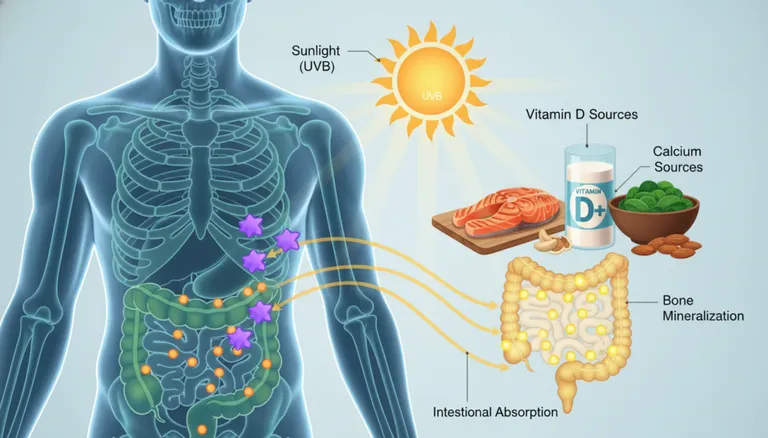
Vitamin D your body makes or gets isn’t ready to use right away. It needs a two-step transformation called hydroxylation to work in your body.
The first step is in your liver. It turns inactive vitamin D into 25-hydroxyvitamin D, or calcidiol. This is the main form of vitamin D in your blood.
The second step happens in your kidneys. They turn calcidiol into 1,25-dihydroxyvitamin D, or calcitriol. This is the active form your body uses.
Vitamin D helps your gut absorb calcium. It also keeps calcium and phosphorus levels right in your blood. Without enough vitamin D, your body can’t absorb enough calcium, even if you eat a lot of it.
This calcium absorption is key for strong bones. It helps your bones stay healthy all your life.
Vitamin D does more than just help with bones. It boosts your immune system health and disease defense, helping fight off germs and viruses. It also helps with cell growth, reduces inflammation, and affects how your body uses glucose. It might even help with your mood and mental health.
Vitamin D is special because it has receptors in almost every cell and tissue. It affects many parts of your body, from your brain to your heart. This is why having enough vitamin D is so important for your health. Not having enough can lead to many problems.[2]
Health Benefits of Vitamin D
Vitamin D is crucial for your body’s health. It keeps your bones strong and boosts your immune system. It also helps your heart and mood. Research shows it fights disease and improves life quality.
Knowing how vitamin D helps is key. It’s vital for your health. Let’s look at the main ways it supports you.
Supports Strong Bones and Calcium Absorption
Vitamin D is essential for strong bones. It helps your body use calcium. Without it, your bones can’t get the calcium they need.[3]
Low vitamin D can cause rickets in kids and osteomalacia in adults. These conditions weaken bones and cause pain.
For older adults, vitamin D and calcium prevent osteoporosis. This disease makes bones thin and breakable. Vitamin D keeps bones strong as you age. Pairing it with vitamin K for optimal bone health may provide added skeletal protection.
Strengthens Your Body’s Immune Defenses
Vitamin D boosts your immune system. It helps fight off infections and diseases. Your immune cells need vitamin D to work right.
Research links vitamin D to fewer autoimmune diseases. This includes type 1 diabetes and multiple sclerosis. Vitamin D is key for a strong immune system.[4]
Some studies suggest vitamin D may reduce COVID-19 severity. More research is needed. But, vitamin D is good for your immune system.
Promotes Cardiovascular Health
Vitamin D is good for your heart. Low levels are linked to high blood pressure and heart disease. It helps regulate blood pressure and blood vessels.
People with low vitamin D have higher blood pressure. Vitamin D supports healthy blood vessels. It may lower heart disease risk, but more research is needed.
Good heart health involves many factors. Vitamin D is an important part. It supports your heart when combined with other healthy habits.
Vitamin D: 6 Evidence-Based Health Benefits
Vitamin D receptors exist in nearly every cell — its effects go far beyond bone health
🦴 Bone & Calcium Health
- Enhances intestinal calcium absorption up to 4×
- Prevents rickets in children, osteomalacia in adults
- Reduces osteoporosis and fracture risk
- Maintains bone mineral density with age
🛡️ Immune System Defense
- Activates T cells, macrophages, and dendritic cells
- Reduces susceptibility to respiratory infections
- Regulates inflammatory and anti-inflammatory balance
- Linked to lower risk of autoimmune diseases
❤️ Cardiovascular Support
- May reduce risk of hypertension
- Supports healthy arterial flexibility
- Associated with lower heart disease mortality
- Helps regulate the renin-angiotensin system
🧠 Mood & Brain Health
- Linked to significantly reduced depression risk
- Supports serotonin synthesis in the brain
- May improve focus and cognitive performance
- Helps manage seasonal affective disorder (SAD)
💪 Muscle Function
- Reduces muscle weakness and cramps
- Supports neuromuscular coordination
- Lowers fall and injury risk in older adults
- Supports athletic performance and recovery
🔬 Metabolic & Cellular Health
- Regulates cell growth and differentiation
- Associated with reduced colorectal cancer risk
- Supports healthy insulin sensitivity
- Linked to lower risk of type 2 diabetes
Just 10–30 minutes of midday sun on exposed arms and legs can produce 1,000–2,000 IU of vitamin D — the body’s most efficient natural source
Enhances Mood and Mental Well-being
Vitamin D is linked to better mood and mental health. It may help with depression. Your brain has vitamin D receptors in mood areas.
A study found vitamin D supplements improved negative emotions. It’s not a cure for depression but helps those who are deficient.
Vitamin D also supports mental well-being and may reduce anxiety. The exact ways are not fully understood. But, it’s good for your brain. If you’re feeling down, check your vitamin D levels.
Reduces Inflammation Throughout Your Body
Vitamin D helps control inflammation. Chronic inflammation causes many diseases. Vitamin D reduces inflammation, protecting your body.
Vitamin D affects cell growth, nerve function, and glucose processing. It impacts many health areas. Reducing inflammation with vitamin D helps your body heal and function well.
Vitamin D’s anti-inflammatory effects add to its other benefits. Keeping vitamin D levels up is a key step for health and disease prevention.
Recommended Vitamin D Dosage by Age and Health Status
Getting the right amount of vitamin D is not the same for everyone. It changes as you age. The Food and Nutrition Board has set specific amounts for different ages. These help you know how much you need for your health.
Vitamin D dosage is measured in micrograms (mcg) and International Units (IU). Knowing both is important because labels often use different units. Remember, 1 mcg of vitamin D equals 40 IU.
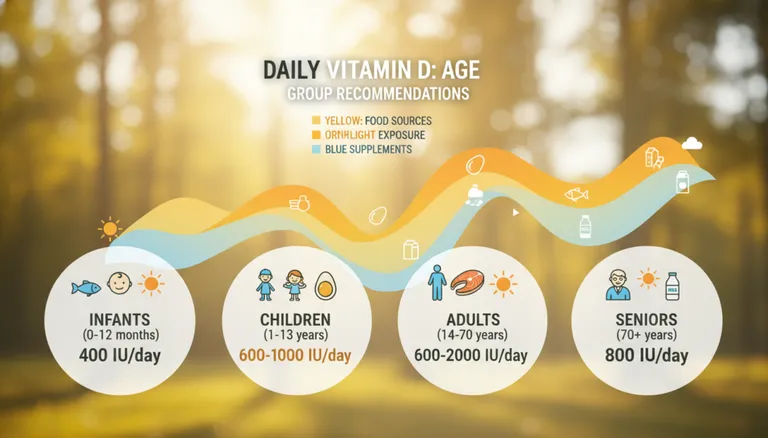
Daily Requirements for Infants and Children
Babies need vitamin D from the start. Infants from birth to 12 months should get 400 IU (10 mcg) every day. This supports their bones and immune system during growth.
Breastfed babies need extra vitamin D. The American Academy of Pediatrics says they should get 400 IU per day. Breast milk alone isn’t enough, so supplements are key.
Formula-fed babies get enough vitamin D from their formula. The formula in the U.S. has 40-100 IU of vitamin D per 100 calories. This helps them meet their vitamin D needs.
After their first birthday, children need more vitamin D. Kids and teens from 1 to 18 years need 600 IU (15 mcg) daily. This supports their growing bodies and bones.
Adult Dosage Recommendations
Most adults need 600 IU (15 mcg) of vitamin D daily. This helps keep bones strong, supports the immune system, and prevents health problems.
When planning what vitamins you should take daily, check supplement labels carefully. Some show IU, others mcg. Either is fine as long as it matches your age group’s needs.
“Vitamin D is essential throughout adulthood for maintaining calcium balance and bone health, making consistent daily intake crucial for long-term wellness.”
The safe upper limit for adults is 4,000 IU per day. Doctors usually advise staying below this unless you need more for a medical reason. Taking too much can cause vitamin D toxicity.[6]
Special Considerations for Seniors
Seniors over 70 have special needs for vitamin D. Their skin makes less vitamin D from sunlight, and they spend less time outside. So, seniors need 800 IU (20 mcg) daily.
This higher amount helps keep bones strong and lowers the risk of fractures. Many seniors take supplements to meet these needs.
Pregnancy and Breastfeeding Needs
Pregnant and breastfeeding women need 600 IU (15 mcg) of vitamin D daily. This is the same as other adults. But, it’s very important during these times.
Enough vitamin D during pregnancy may lower the risk of preeclampsia and support bone development in the baby. For breastfeeding mothers, it ensures their health and provides for their baby through milk.
| Age Group | Daily Requirement (IU) | Daily Requirement (mcg) |
|---|---|---|
| Infants 0-12 months | 400 IU | 10 mcg |
| Children 1-18 years | 600 IU | 15 mcg |
| Adults 18-70 years | 600 IU | 15 mcg |
| Adults over 70 years | 800 IU | 20 mcg |
| Pregnant/Breastfeeding | 600 IU | 15 mcg |
Meeting these vitamin D dosage recommendations is key for health at every stage of life. Your needs may change based on your health. Always talk to your doctor to make sure you’re getting the right amount for you.[5]
Best Food Sources of Vitamin D
Choosing the right foods is key for vitamin D, since few foods naturally have it. Your skin makes vitamin D from sunlight, but eating vitamin D rich foods helps too. Knowing which foods have the most vitamin D helps you eat well and stay healthy.
In the US, most people get vitamin D from a mix of natural sources and fortified foods. You have many tasty choices, like seafood, dairy, or plant-based foods.[8]
Ocean’s Bounty: Fish and Seafood
Fatty fish are top vitamin D sources. A 3-ounce cooked rainbow trout has 645 IU. Sockeyeye salmon has 570 IU in the same amount. Just one serving can meet your daily needs.[7]
Cod liver oil is the richest source, with 1,360 IU in one tablespoon. It’s not everyone’s favorite, but it’s very effective for vitamin D.

Seafood like sardines and tuna are also good. Two canned sardines have 46 IU, and 3 ounces of tuna have 40 IU. Mackerel and herring are also great for vitamin D and omega-3s.
Enhanced Nutrition: Fortified Products
Fortified foods are a big part of the American diet’s vitamin D. Almost all cow’s milk in the US has about 120 IU per cup. This makes fortified milk a reliable choice for families.
Plant-based milks like soy, almond, and oats are also fortified. But, check the labels to make sure they have vitamin D.
Many breakfast cereals are fortified with vitamin D. Orange juice, yogurt, and margarine may also have added vitamin D. Always read labels to find the best products for your needs.
Everyday Staples: Eggs and Cheese
Egg yolks are a good source of natural vitamin D. One large egg has about 44 IU. The vitamin D is only in the yolk, so egg white omelets don’t count. Adding whole eggs to your diet is a great way to get vitamin D.
Cheese has a bit of vitamin D. A 1.5-ounce serving of cheddar cheese has about 17 IU. While it’s not the main source, it adds a bit when you eat balanced meals.
Beef liver also has vitamin D, though it’s not common in American diets. It’s a nutrient-rich option for those who like organ meats.
Plant Power: Mushrooms and Alternatives
Mushrooms are special because they naturally have vitamin D. They make vitamin D2 when exposed to UV light, like human skin.
Standard mushrooms have different amounts of vitamin D2. But, UV-treated mushrooms in stores can have up to 366 IU per half-cup. Look for labels that say they’ve been UV-treated.
For vegetarians and vegans, mushrooms, fortified plant milks, and cereals are good. These options show that plant-based diets can get enough vitamin D rich foods without supplements.
Vitamin D Deficiency: Warning Signs and Symptoms
Your body sends warning signals when vitamin D levels drop too low. But many people miss these important clues. The tricky part about vitamin D deficiency is that most people don’t experience obvious symptoms right away. This silent nature makes it easy to overlook until more serious health issues develop.[9]
Understanding the vitamin D deficiency symptoms helps you recognize when something might be wrong. Early detection can prevent long-term complications and get you back on track to better health.
Physical Symptoms of Low Vitamin D
The early low vitamin D signs often feel vague and similar to many other conditions. You might experience persistent tiredness that doesn’t improve even after getting plenty of rest. This type of fatigue can interfere with your daily activities and leave you feeling drained.
General aches and pains throughout your body are another common warning sign. These discomforts don’t have an obvious cause and may move around to different areas. You might also notice that you’re getting sick more often than usual because low vitamin D weakens your immune function.
Many people dismiss these symptoms as stress or just feeling run down. But if these issues persist for weeks or months, they could point to a vitamin D problem that needs attention.
Vitamin D Deficiency: 4 Body Systems Affected
Symptoms often appear vague and overlapping — many people remain undiagnosed for months or years
🦴 Bones & Joints
- Deep bone pain (back, ribs, hips)
- Stress fractures in weight-bearing bones
- Osteomalacia (soft bones) in adults
- Rickets and bowed legs in children
- Accelerated osteoporosis over time
💪 Muscles & Movement
- Persistent muscle weakness and aching
- Difficulty rising from chairs or climbing stairs
- Muscle cramps and spasms
- Poor balance — increased fall risk
- Reduced grip strength and endurance
🧠 Mental Health & Energy
- Overwhelming fatigue unresponsive to rest
- Persistent low mood or clinical depression
- Anxiety and unexplained irritability
- Brain fog — difficulty concentrating
- Seasonal affective disorder (SAD) worsening
🛡️ Immune Function
- Frequent colds, flu, and respiratory infections
- Prolonged recovery time from illness
- Slower wound and tissue healing
- Elevated inflammatory markers (CRP)
- Higher autoimmune disease risk long-term
Blood Level Reference (25-hydroxyvitamin D test)
<12 ng/mL
Deficient
12–20 ng/mL
Insufficient
20–50 ng/mL
Adequate
>50 ng/mL
Monitor
An estimated 42% of American adults are vitamin D deficient — highest risk: limited sun exposure, dark skin tones, age 65+, fat malabsorption disorders
Bone and Muscle-Related Issues
Bone pain is one of the more specific symptoms of vitamin D deficiency. This pain often affects your back, ribs, or legs and can range from mild discomfort to severe aching. The pain may worsen when you press on certain bones or move in particular ways.
Muscle weakness makes everyday tasks surprisingly difficult. You might struggle to climb stairs, get up from a chair, or lift objects you used to handle easily. Some people also experience muscle cramps or spasms that seem to appear without reason.
Stress fractures in weight-bearing bones like your legs, pelvis, and hips can develop when vitamin D deficiency becomes chronic. These small cracks occur because bones become weaker and less able to handle normal activities.
In children, low vitamin D causes a condition called rickets. This disease leads to soft, weak bones that may bow outward, creating a distinctive bowlegged appearance. Children with rickets may also experience delayed growth and dental problems, with teeth not forming properly.
Adults with chronic deficiency can develop osteomalacia, which means “soft bones.” This condition causes deep bone pain and muscle weakness that significantly impacts quality of life.
Mood Changes and Fatigue
Mental health symptoms of vitamin D deficiency often go unrecognized because people don’t connect mood problems with a vitamin shortage. Persistent low mood or depression can develop when vitamin D levels stay too low for extended periods.[10]
You might feel anxious without a clear reason or have difficulty concentrating on tasks that normally wouldn’t challenge you. These cognitive changes can affect your work performance and personal relationships.
Overwhelming fatigue goes beyond normal tiredness. It’s a deep exhaustion that makes even simple activities feel like major efforts. This type of fatigue doesn’t respond well to extra sleep or rest alone.
Long-term Health Consequences
Without treatment, vitamin D deficiency leads to serious health problems over time. The most significant risk is osteoporosis, where bones become thin, brittle, and porous. These fragile bones break easily from minor falls or even normal activities.
Older adults face an increased risk of dangerous falls and fractures when their bones weaken. Hip fractures in particular can lead to loss of independence and long recovery periods.
Much like the documented vitamin C benefits for immune function and disease prevention, research suggests that chronic low vitamin D may contribute to autoimmune diseases where the immune system attacks healthy tissue. Some studies also link long-term deficiency to cardiovascular problems, though more research is needed to fully understand this connection.
People are considered deficient when their serum 25(OH)D levels fall below 30 nmol/L (12 ng/mL). Those with levels between 30 and 50 nmol/L (12-20 ng/mL) may be at risk of inadequacy and should work with their healthcare provider to improve their status.
| Symptom Category | Common Signs | Who’s Affected | Severity Level |
|---|---|---|---|
| Early Physical Symptoms | Persistent tiredness, general aches, frequent illness | Adults and children | Mild to moderate |
| Bone and Muscle Issues | Bone pain, muscle weakness, stress fractures | All ages | Moderate to severe |
| Childhood Conditions | Rickets, bowed legs, delayed growth, dental problems | Children only | Severe |
| Adult Bone Disease | Osteomalacia, soft bones, chronic pain | Adults only | Severe |
| Mental Health Effects | Depression, anxiety, difficulty concentrating, fatigue | Primarily adults | Moderate |
| Long-term Complications | Osteoporosis, fractures, autoimmune risks | Older adults primary | Very severe |
Recognizing these warning signs early gives you the opportunity to take action. If you’re experiencing several of these symptoms, talk to your healthcare provider about getting your vitamin D levels tested. Early intervention can prevent serious complications and help you feel better quickly.[11]
Risk Factors for Vitamin D Deficiency
Not everyone is at the same risk for vitamin D deficiency. Your lifestyle, where you live, your age, and certain health conditions all play a role. Knowing these risk factors helps you see if you might need more vitamin D.[12]
Some risk factors you can control, like spending time outdoors. Others, like your skin tone or where you live, you can’t. Knowing which ones apply to you helps you work with your doctor to get enough vitamin D.
Where You Live and How Much Sunlight You Get
Your geographic location is key in making vitamin D. People living far from the equator get less UVB radiation in winter. This means less vitamin D production, even on sunny days.
In big cities, tall buildings and pollution block sunlight. People who work at night or spend a lot of time indoors also struggle. They miss out on the best sunlight hours.
While sunscreen is good for preventing cancer, it does block vitamin D production. Sunscreen with SPF 30 or higher blocks about 95% of UVB radiation. This doesn’t mean you should skip sun protection, but it shows why many people need other sources of vitamin D.
How Skin Color and Age Affect Production
Melanin, the skin pigment, acts as a natural sunscreen. Darker skin needs more sun to make the same vitamin D as lighter skin. In fact, individuals with dark skin may need 5 to 10 times longer exposure to get enough vitamin D.[13]
This makes it hard for dark skin to get enough vitamin D in northern climates. High melanin levels and limited UVB radiation increase deficiency risk. Studies show vitamin D deficiency is more common in darker-skinned people far from the equator.[14]
Age also affects vitamin D production. As you get older, your skin makes less vitamin D from sunlight. Elderly adults may produce up to 75% less vitamin D than younger people with the same sun exposure.
Seniors face extra challenges. They may spend less time outdoors and have less efficient kidneys. This makes it harder to convert vitamin D into its active form.
Health Conditions That Reduce Absorption
Some health conditions affect how well you absorb and use vitamin D. Since vitamin D is fat-soluble, any condition that impairs fat absorption also limits vitamin D absorption. This is true for various digestive disorders.
Crohn’s disease, celiac disease, and cystic fibrosis all make it hard for the intestines to absorb fats and fat-soluble vitamins. People with these conditions often need more vitamin D or supplements to stay healthy.
Being overweight also makes it harder to use vitamin D. Vitamin D can get trapped in body fat, making it less available. People with higher body weight may need more vitamin D to reach the same levels as those with lower body weight.
Chronic kidney disease and liver disease also affect vitamin D. Your kidneys and liver convert vitamin D into its active form. If these organs don’t work right, vitamin D activation drops, even with enough sun or diet.
Gastric bypass surgery also affects vitamin D absorption. It bypasses parts of the intestine where most vitamin D is absorbed. Anyone who has had this surgery needs lifelong vitamin D monitoring and supplements.
| Risk Factor Category | Specific Conditions | Impact Level | Recommended Action |
|---|---|---|---|
| Limited Sunlight | Northern latitude, indoor work, urban living, pollution | Moderate to High | Consider supplementation, maximize outdoor time |
| Skin and Age | Darker skin tone, age over 65, natural melanin levels | High | Regular testing, likely need supplements |
| Digestive Issues | Crohn’s, celiac, cystic fibrosis, gastric bypass | Very High | Medical supervision, higher dose supplementation |
| Organ Function | Kidney disease, liver disease, obesity | High | Specialized testing, healthcare provider guidance |
If you think you might be at risk for vitamin D deficiency, talk to your doctor. Early testing and action can prevent health problems. Your doctor can help you find a plan that meets your needs and keeps you healthy.
Testing and Diagnosis of Vitamin D Levels
A quick blood test can show how much vitamin D is in your body. This helps you take steps towards better health. If you’re feeling symptoms of deficiency or have risk factors, testing is key. Your doctor can order a simple test to give you numbers to work with.
Understanding the testing process makes you more confident. The most common test measures a specific form of vitamin D in your blood. This test shows your vitamin D status from all sources.
The 25-Hydroxyvitamin D Blood Test
The standard test measures 25-hydroxyvitamin D, or 25(OH)D. This form of vitamin D shows what your body has from sunlight, food, and supplements. Doctors prefer this marker because it gives a reliable picture of your status.
This form of vitamin D stays in your blood for about 15 days. This means the test shows your vitamin D reserves over recent weeks. It gives a stable picture of your body’s vitamin D.[15]
Your lab results will be in nanomoles per liter (nmol/L) or nanograms per milliliter (ng/mL). To convert between these units, remember that 1 ng/mL equals 2.5 nmol/L, or conversely, 1 nmol/L equals 0.4 ng/mL.
Understanding Your Test Numbers
Knowing what your results mean helps you take action. Different ranges show varying levels of concern or adequacy. The table below explains what your vitamin D levels reveal about your health status:
| Level Range (ng/mL) | Level Range (nmol/L) | Health Status | Action Needed |
|---|---|---|---|
| Below 12 | Below 30 | Deficient – Risk of rickets (children) or osteomalacia (adults) | Immediate supplementation and medical follow-up required |
| 12 to 20 | 30 to 50 | Insufficient – Inadequate for optimal bone and overall health | Increase intake through diet, sun exposure, or supplements |
| 20 or higher | 50 or higher | Adequate – Generally sufficient for healthy individuals | Maintain current habits and monitor periodically |
| Above 50 | Above 125 | High – Potential for adverse effects, specially above 60 ng/mL | Reduce supplementation and consult healthcare provider |
Levels below 12 ng/mL show a serious deficiency. Your bones may be weakening, and other health issues could be developing. Your doctor will likely recommend supplements and dietary changes.
Levels between 12-20 ng/mL mean your vitamin D levels are not optimal. While not critically low, your bones and immune system may not be getting the best support. Making lifestyle changes now can prevent future problems.
Adequate vitamin D levels of 20 ng/mL or higher support good bone health and overall wellness. Most healthy people function well in this range. Some doctors recommend slightly higher levels for specific health concerns.[16]
Levels over 50 ng/mL need caution, specially above 60 ng/mL. While vitamin D toxicity is rare, high levels can cause calcium buildup in your blood. This can lead to nausea, weakness, and kidney problems. If your results are in this range, work with your doctor to adjust your supplementation.
Knowing When Testing Makes Sense
Not everyone needs routine vitamin D testing. But certain situations make screening worthwhile. If you’re experiencing symptoms like fatigue, bone pain, muscle weakness, or frequent illness, getting tested can provide clarity.
People with multiple risk factors should consider vitamin D testing even without symptoms. Those who spend most of their time indoors, have darker skin tones, live in northern climates, or are over 65 face higher deficiency risks. Obesity, digestive disorders like Crohn’s disease or celiac disease, and chronic kidney or liver conditions also affect vitamin D processing.
If you’ve been diagnosed with osteoporosis or experience frequent bone fractures, testing helps determine if low vitamin D is a contributing factor. Also, if you take medications that interfere with vitamin D metabolism, monitoring your levels is important.
Talk with your healthcare provider about whether vitamin D testing makes sense for you. They can evaluate your symptoms, risk factors, and medical history to determine if screening would provide valuable information. Being proactive about your vitamin D status empowers you to take control of this important aspect of your health.
How to Safely Increase Your Vitamin D Levels
To increase vitamin D levels, it’s important to use sunlight, food, and supplements wisely. You can address a deficiency or keep levels healthy with several safe options. The key is to use these methods carefully and avoid extremes.
Many people boost their vitamin D by making small changes in their daily routines. The strategies below help you increase your levels safely without risks.
Sensible Sun Exposure Guidelines
Getting some sun is a natural way to support vitamin D production. Experts say 5 to 30 minutes of midday sun daily or twice a week can help many people. This sun time should be between 10 a.m. and 4 p.m.
For the best results, expose your face, arms, hands, and legs without sunscreen at first. Your body makes vitamin D most efficiently when UVB rays hit your skin directly. But, needs vary by skin tone, location, season, and age.
It’s crucial to balance vitamin D benefits with skin cancer prevention. UV radiation causes skin cancer, and UV exposure is the most preventable cause. Use sunscreen with SPF 15 or higher after the first minutes of exposure.
Don’t use tanning beds for vitamin D. They’re risky for cancer without safe vitamin D benefits. Also, sun exposure through windows doesn’t produce vitamin D because glass blocks UVB rays.
Choosing the Right Vitamin D Supplement
When picking vitamin D supplements, you’ll find two main types: vitamin D2 (ergocalciferol) and vitamin D3 (cholecalciferol). Knowing the difference between vitamin D3 and D2 helps you choose the right one for you.
Both vitamins D2 and D3 increase blood levels of 25(OH)D. But, most evidence shows vitamin D3 raises levels more and keeps them higher longer than D2. So, most doctors recommend D3 for most people.[17]
Vitamin D3 comes from lanolin in sheep’s wool. If you’re vegan, look for D3 from lichen. It offers the same benefits without animal products.
Vitamin D supplements work best when taken with a meal that has some fat. It’s fat-soluble. Ensuring adequate magnesium supplements for daily health may also enhance vitamin D activation, as magnesium is a required cofactor in its metabolic conversion.
Adults usually need 1,000 to 2,000 IU of vitamin D daily. Sometimes, higher doses of 4,000 to 5,000 IU are needed to correct a deficiency. Always talk to your doctor before starting high doses.
Combining Diet, Sunlight, and Supplementation
The best way to keep vitamin D levels right is to use all three sources together. This approach gives your body multiple ways to get this essential nutrient all year.
Eat foods rich in vitamin D like fatty fish (salmon, mackerel, sardines) a few times a week. Add fortified dairy, egg yolks, and mushrooms to your meals for more vitamin D.
In warmer months, getting some sun can give you a lot of vitamin D. Take short walks outside during the day, leaving your arms and legs exposed for 5 to 30 minutes.
In winter, supplements are key when sunlight is scarce. People in northern areas, with darker skin, older adults, and those with absorption issues should take supplements all year. This is true regardless of the season.
| Method | Best Timing | Expected Contribution | Key Considerations |
|---|---|---|---|
| Sun Exposure | Spring through fall, 10 a.m.-4 p.m. | Can meet 50-90% of needs seasonally | Varies by location, skin tone, age; use sun protection after initial minutes |
| Dietary Sources | Year-round, consistent intake | Provides 10-20% of daily needs | Requires regular consumption of fatty fish and fortified foods |
| Supplementation | Daily, specially October-March | Reliable 1,000-4,000 IU daily | Choose D3 form; take with fat-containing meal for best absorption |
This multi-source approach ensures you keep levels right even when one source is not available. It also lowers the risk of relying too much on one method.
Avoiding Vitamin D Toxicity
It’s important to know the safe upper limits of vitamin D to avoid problems. The good news is that vitamin D toxicity is rare and virtually impossible from sun or food alone.
Healthcare experts recommend a daily limit of 4,000 IU for adults. Research shows toxicity is unlikely below 10,000 IU daily, but staying under this is best.
Too much vitamin D can cause hypercalcemia, where calcium builds up in your blood. Symptoms include fatigue, weakness, bone pain, loss of appetite, nausea or vomiting, dehydration, excessive thirst, and excessive urination.
More serious problems can include kidney stones, confusion, and apathy. If you have these symptoms while taking vitamin D supplements, contact your doctor right away and stop high doses until checked.
The safe upper limit is 4,000 IU daily for adults, though toxicity is unlikely below 10,000 IU daily.
Don’t take mega-doses without a doctor’s advice. Some think high doses occasionally are good, but this increases risk without extra benefits. Taking moderate doses daily is much better than high doses now and then.
If your doctor prescribes high doses to correct a severe deficiency, they’ll watch your blood levels closely. This ensures you reach the right levels without danger. Once your levels are normal, your dose will likely be lowered to a maintenance level.
Remember, safe vitamin D supplementation means following guidelines and working with healthcare professionals. This careful approach lets you enjoy all the benefits of optimal vitamin D levels without unnecessary risks.
Conclusion
You now know how important vitamin D is for your health. It helps with bone strength, immune function, mood, and preventing diseases.
To get enough vitamin D, focus on three main areas: sunlight, diet, and supplements. Many people use all three, mainly in winter or if they have certain health risks.
If you think you might not have enough vitamin D, talk to your doctor. They can do a blood test to check your levels. This helps them give you advice that’s just right for you.
At Porter Ranch Medical Center, working with your doctor to boost your vitamin D levels is a big step towards better health. It’s a simple, science-backed way to improve your well-being.
Begin by checking how much sunlight you get, looking at your diet, and talking to your doctor. This guide has given you the info you need to ask smart questions. Making a few small changes can really help you reach your vitamin D goals.
Frequently Asked Questions
Can I get enough vitamin D from sunlight alone?▼
Sunlight can be a good source of vitamin D, but it’s not always enough. Brief sun exposure can help your body make vitamin D. But, factors like where you live, the season, your skin tone, age, and sunscreen use can affect how much vitamin D you get.
People in northern climates, with darker skin, older adults, and those indoors often need more vitamin D. They might need to get it from food or supplements, which is important during winter when the sun’s rays are weak.
What’s the difference between vitamin D2 and D3?▼
Vitamin D2 comes from plants, while D3 is from animals and sunlight. D3 is more effective at raising vitamin D levels in your blood. Experts usually recommend D3 supplements because they work better.
For those who don’t eat animals, there’s now plant-based D3 from lichen. This is a good option for vegans and vegetarians.
How long does it take to correct a vitamin D deficiency?▼
Correcting a vitamin D deficiency takes time, depending on how severe it is and the treatment. With the right supplements, many see improvements in 2-3 months.
It might take several months to fully replenish vitamin D stores. Your doctor might start with higher doses and then lower them. Regular follow-ups are needed to check if levels are improving.
Should I take vitamin D with food?▼
Yes, taking vitamin D with food, like a meal with some fat, helps your body absorb it better. Studies show this can increase absorption by up to 50% compared to taking it on an empty stomach.
You don’t need a very fatty meal. Even a meal with moderate fat, like eggs or avocado, is enough. Taking your vitamin D with your biggest meal of the day is a good way to remember it.
Can you overdose on vitamin D from too much sun exposure?▼
No, you can’t overdose on vitamin D from sunlight. Your body has a way to stop making too much vitamin D from sun exposure. This means you can’t get too much vitamin D from the sun.
But, too much sun exposure can still cause problems like sunburn and skin cancer. Vitamin D toxicity only happens from taking too much in supplements, not from the sun.
Why do breastfed babies need vitamin D supplements?▼
Breast milk has very little vitamin D, which isn’t enough for babies. The American Academy of Pediatrics recommends vitamin D supplements for all breastfed and partially breastfed babies. This is because they need at least 400 IU daily.
When babies were born, they got vitamin D from the sun. But now, we keep them safe from the sun to prevent skin damage. So, supplements are needed to prevent rickets and support bone growth.
What vitamin D level is considered optimal?▼
Most experts say a blood level of at least 20 ng/mL is good for bone health. But, some think levels between 30-50 ng/mL might offer more benefits, like better immune function.
Levels below 12 ng/mL show a deficiency. Levels between 12-20 ng/mL are not enough. Levels above 50 ng/mL might mean you’re taking too much. Your doctor will help find the right level for you.
Does vitamin D interact with any medications?▼
Yes, vitamin D can interact with some medications. This is why you should talk to your doctor before starting supplements if you’re on prescription drugs. Some medications can affect how your body absorbs vitamin D.
For example, some medications might make you need more vitamin D. Always tell your doctor and pharmacist about any supplements you’re taking to avoid problems.
Can vitamin D help prevent colds and flu?▼
Research suggests vitamin D might help prevent colds and flu. People with low vitamin D levels get sick more often. Taking vitamin D supplements, if you’re deficient, can cut down on getting sick by up to 50%.
Vitamin D helps your immune system fight off infections. During the COVID-19 pandemic, studies found low vitamin D levels were linked to more severe cases. But, vitamin D is just one part of keeping your immune system strong.
Are vitamin D blood tests covered by insurance?▼
Insurance coverage for vitamin D tests varies. Many plans cover tests if you have risk factors or symptoms. But, routine tests in healthy people are often not covered.
The cost of a vitamin D test can be to if not covered. Always check with your insurance before getting tested. Your doctor can explain why you need a test if you have risk factors or symptoms.
Is it better to take vitamin D daily or weekly?▼
Daily vitamin D supplements are usually better than weekly or monthly high doses. Daily doses help keep your vitamin D levels stable and are safer. Taking 2,000 IU daily is often better than a weekly dose of 14,000 IU.
Some people find weekly doses easier to remember. But, your doctor might prescribe weekly doses for severe deficiencies. The best schedule is one you can stick to, so talk to your doctor about what works best for you.
Can I get vitamin D from tanning beds?▼
While tanning beds can produce vitamin D, it’s not a good idea. They emit harmful UVA rays that increase your risk of skin cancer and premature aging. The World Health Organization says tanning beds are cancer-causing.
Instead, get vitamin D from safe sources like sunlight, vitamin D-rich foods, and supplements. These options are safer than tanning beds.
Why do people with darker skin need more sun exposure for vitamin D?▼
Darker skin has more melanin, which blocks UVB rays and makes it harder to produce vitamin D. People with darker skin need 3 to 10 times more sun exposure than those with lighter skin to get enough vitamin D.
This means people with darker skin are at higher risk for vitamin D deficiency. Supplements are important for them, even more so in northern climates or if they spend less time outdoors.
Does vitamin D help with weight loss?▼
Vitamin D’s link to weight is complex. Some studies suggest low vitamin D levels are linked to obesity. But, vitamin D supplements alone don’t lead to weight loss.
What we know is that vitamin D can get stored in fat, making it less available. But, having enough vitamin D might help with weight loss when combined with diet and exercise. It’s best to see vitamin D as part of a healthy lifestyle, not just for weight loss.
When is the best time of day to take vitamin D supplements?▼
There’s no one “best” time for everyone. The most important thing is to take it with food that has some fat. This helps your body absorb it better.
Some people take it in the morning with breakfast. Others prefer it with their biggest meal of the day. Taking it with a meal that has fat is key. Find a time that works for you and stick to it.
📚 Related Reading
Sources
- NIH Office of Dietary Supplements – Vitamin D Fact Sheet for Health Professionals
- NCBI PMC – Vitamin D Metabolism, Molecular Mechanism of Action, and Pleiotropic Effects
- NCBI PMC – Vitamin D and Calcium Supplementation: Health Outcomes
- NCBI PMC – Vitamin D and the Immune System
- Harvard T.H. Chan School of Public Health – The Nutrition Source: Vitamin D
- Mayo Clinic – Vitamin D: Evidence-Based Dosage and Safety Guidance
- NIH ODS – Vitamin D Consumer Fact Sheet: Food Sources and Daily Requirements
- Linus Pauling Institute – Vitamin D: Food Sources, Bioavailability, and Supplementation
- NCBI PMC – Vitamin D Deficiency: A Global Perspective on Prevalence and Impact
- NCBI PMC – Vitamin D and Depression: Systematic Review and Meta-Analysis
- WebMD – Signs and Symptoms of Vitamin D Deficiency
- NCBI PMC – Vitamin D and Cardiovascular Disease: A Review of the Evidence
- Remedy’s Nutrition – The Link Between GLP-1 Medications and Vitamin D Deficiency
- PubMed – Prevalence and Predictors of Vitamin D Insufficiency in the United States
- NCBI PMC – 25-Hydroxyvitamin D: Measurement and Clinical Significance
- Mayo Clinic – Vitamin D Test: Purpose, Procedure, and Result Interpretation
- NCBI PMC – Safety and Efficacy of Vitamin D3 Supplementation in Adults