
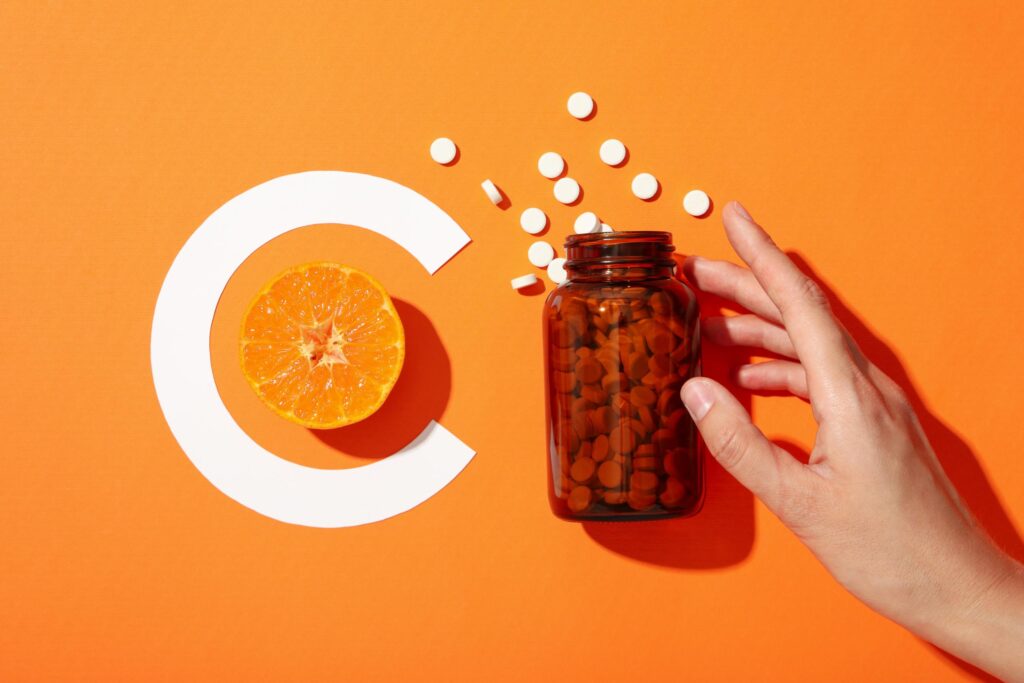
Vitamin C is arguably the most recognized vitamin in the world — yet its full range of biological functions goes far beyond the common cold prevention it is popularly associated with. As a potent water-soluble antioxidant and essential cofactor in collagen synthesis, neurotransmitter production, and iron absorption, vitamin C operates at the intersection of immune defense, skin integrity, cardiovascular protection, and metabolic health.
◈ Quick Answer: What Does Vitamin C Actually Do?
Vitamin C is essential for collagen synthesis (structural protein in skin, tendons, and blood vessels), immune cell production and function, antioxidant defense, and iron absorption. It does not prevent colds in most people, but can shorten duration and reduce severity. Scurvy (severe deficiency) is now rare, but sub-optimal levels affect millions and impair all of the above functions.
For adults focused on daily wellness, understanding when vitamin C supplementation is most beneficial — and how to use it effectively — helps maximize its value as part of a broader nutritional strategy.
Vitamin C and Immune Function
Vitamin C supports immunity through several complementary mechanisms. It accumulates in immune cells — particularly neutrophils, lymphocytes, and phagocytes — at concentrations 10–100 times higher than in plasma, suggesting specific functional roles beyond simple antioxidant activity.[1]
- Stimulates neutrophil migration to sites of infection and enhances their pathogen-killing activity
- Supports T-lymphocyte proliferation and differentiation in response to pathogens
- Enhances antibody production by B lymphocytes
- Maintains epithelial barrier integrity — the skin and mucous membranes that form the first line of defense against pathogens
- Neutralizes oxidative stress generated during the inflammatory immune response, protecting immune cells from self-damage
A meta-analysis of randomized controlled trials found that while regular vitamin C supplementation does not prevent colds in the general population, it reduces cold duration by 8–14% and severity. In individuals under heavy physical stress (marathon runners, soldiers in sub-arctic conditions), regular supplementation reduced cold incidence by approximately 50%.[2]
Vitamin C and vitamin D are complementary immune-supporting nutrients — see our article on vitamin D and immune health for how they work together.
Vitamin C and Skin Health: The Collagen Connection
Vitamin C is an essential cofactor for two enzymes — prolyl hydroxylase and lysyl hydroxylase — that stabilize the triple-helix structure of collagen. Without adequate vitamin C, newly synthesized collagen is structurally weak and prone to degradation, leading to the characteristic skin fragility, poor wound healing, and gum disease seen in scurvy.[3]
At sub-deficiency levels, the effects are more subtle but clinically relevant:
- Slowed wound healing and bruising easily
- Dry, rough skin with reduced elasticity
- Increased appearance of fine lines as dermal collagen thins
- Hyperpigmentation and uneven skin tone (vitamin C inhibits melanin synthesis)
Topical vitamin C (ascorbic acid or its derivatives) has well-documented benefits for photoprotection, brightening, and collagen synthesis in skin. Oral supplementation supports systemic collagen production throughout the body — in tendons, ligaments, cartilage, and blood vessel walls — not just the skin.
Dietary Sources of Vitamin C
Vitamin C is found in a wide range of fruits and vegetables. Because it is heat-sensitive and water-soluble, cooking methods significantly affect the vitamin C content of foods — steaming or eating raw preserves more than boiling.
| Food | Serving | Vitamin C (mg) | % Daily Value (90 mg) |
|---|---|---|---|
| Guava | 1 medium | ~228 mg | 253% |
| Red bell pepper (raw) | ½ cup | ~95 mg | 106% |
| Kiwi | 1 medium | ~64 mg | 71% |
| Broccoli (cooked) | ½ cup | ~51 mg | 57% |
| Strawberries | ½ cup | ~49 mg | 54% |
| Orange | 1 medium | ~70 mg | 78% |
| Tomato (raw) | 1 medium | ~17 mg | 19% |
| Spinach (raw) | 1 cup | ~8 mg | 9% |
*Values approximate. Source: USDA FoodData Central
Supplementation: Forms, Doses, and Considerations
The RDA for vitamin C is 75 mg/day for adult women and 90 mg/day for adult men. Smokers require an additional 35 mg/day due to increased oxidative stress. The tolerable upper intake level is 2,000 mg/day — above which GI side effects (diarrhea, nausea) become more likely.[4]
| Form | Absorption | Notes |
|---|---|---|
| Ascorbic acid | High | Standard form; inexpensive; may irritate sensitive stomachs |
| Sodium ascorbate | High | Buffered; gentler on stomach; lower acidity |
| Calcium ascorbate (Ester-C) | High | Buffered; contains metabolites; marketed for enhanced retention |
| Liposomal vitamin C | Very high | Encapsulated in phospholipids; significantly higher plasma levels |
| Whole-food vitamin C | High | From acerola, amla, rosehip; includes bioflavonoids; good bioavailability |
For most people, standard ascorbic acid at 500–1,000 mg/day provides excellent immune and antioxidant support. Splitting doses (e.g., 500 mg morning and 500 mg evening) improves absorption, as intestinal uptake saturates at around 200 mg per dose. For immune-intensive periods or elevated stress, 1,000–2,000 mg/day is commonly used.[5]
For a complete daily supplement approach including vitamin C, visit our guide on building a balanced daily wellness routine.
Frequently Asked Questions
Does taking vitamin C prevent colds? ▼
For most people, regular vitamin C supplementation does not significantly prevent colds. However, it consistently shortens cold duration by about 1 day and reduces symptom severity. The prevention benefit is most pronounced in people under heavy physical or environmental stress (e.g., endurance athletes, those working in cold climates) where supplementation has shown up to 50% reduction in cold incidence. Starting supplements after a cold begins does not appear to be effective.
How much vitamin C should I take daily? ▼
The RDA is 75–90 mg/day for adults. For general antioxidant and immune support, 250–1,000 mg/day is commonly used and well-tolerated. Doses above 1,000 mg/day provide diminishing returns as intestinal absorption saturates, and doses above 2,000 mg/day (the tolerable upper limit) increase the risk of GI side effects. Splitting higher doses into 2–3 servings throughout the day improves total absorption significantly.
Can vitamin C help with iron deficiency? ▼
Yes. Vitamin C significantly enhances the absorption of non-heme iron (the form found in plant foods) by converting it from ferric (Fe3+) to ferrous (Fe2+) form, which is more easily absorbed through intestinal cells. Consuming vitamin C (from food or supplements) simultaneously with iron-rich plant foods or iron supplements can increase iron absorption by 2–3 fold. This is particularly relevant for vegetarians and vegans who rely on plant-based iron sources.
Is liposomal vitamin C worth the higher price? ▼
For most people supplementing at standard doses (500–1,000 mg), regular ascorbic acid provides excellent absorption and there is little practical advantage to liposomal forms. Liposomal vitamin C achieves significantly higher plasma and tissue concentrations than standard oral forms — approaching what would only be achievable by IV at standard doses. This may be relevant for therapeutic applications or for individuals who need high doses but experience GI issues with regular ascorbic acid. For everyday wellness, standard forms are effective and much more cost-efficient.
Can vitamin C improve skin appearance? ▼
Yes, through multiple mechanisms. Oral vitamin C supports systemic collagen synthesis, reducing skin thinning associated with aging and UV exposure. Topical vitamin C (at concentrations of 10–20% ascorbic acid) has well-documented efficacy for reducing hyperpigmentation, improving skin brightness, and providing photoprotection against UV-induced damage. Combining oral and topical vitamin C provides complementary benefits — oral supplementation supports structural collagen integrity while topical application addresses surface-level pigmentation and protection.
Conclusion
Vitamin C is a versatile, essential nutrient whose benefits span immune defense, skin health, antioxidant protection, collagen synthesis, and iron metabolism. While deficiency severe enough to cause scurvy is rare, sub-optimal intake is common and affects millions of adults — impairing wound healing, immune responsiveness, and skin integrity. For most adults, ensuring adequate intake through a diet rich in fruits and vegetables — supported by 500–1,000 mg/day supplemental ascorbic acid when needed — provides broad, evidence-backed daily wellness support at very low cost and minimal risk.
Sources
- Carr AC, Maggini S. Vitamin C and immune function. Nutrients. 2017. PubMed.
- Hemilä H, Chalker E. Vitamin C for preventing and treating the common cold. Cochrane Database Syst Rev. 2013. PubMed.
- Pullar JM, et al. The roles of vitamin C in skin health. Nutrients. 2017. PubMed.
- Vitamin C — Health Professional Fact Sheet. National Institutes of Health, Office of Dietary Supplements.
- Padayatty SJ, et al. Vitamin C pharmacokinetics: implications for oral and intravenous use. Ann Intern Med. 2004. PubMed.