
Your body needs vitamin C every day, but it can’t make any itself. This vitamin must come from food or supplements. It’s a key nutrient in your diet.
Vitamin C, also known as L-ascorbic acid, is vital for many body functions. It helps make collagen, fights free radicals, and boosts your immune system. Its benefits go beyond just fighting colds.
Dr. Mark Moyad from the University of Michigan found that high vitamin C levels are linked to good health. His research shows it protects against heart disease, cancer, stroke, and aging.
Adults can safely take up to 2,000 mg of vitamin C daily. Yet, most people don’t get enough. Eating fruits, vegetables, and taking supplements can improve your health and body function.
◈ Quick Answer: What You Need to Know About Vitamin C
Vitamin C (ascorbic acid) is an essential water-soluble nutrient your body cannot produce. Adults need 75-90 mg daily (up to 2,000 mg is safe). Best food sources: guava, bell peppers, kiwi, and citrus fruits. Deficiency causes fatigue, weakened immunity, and slow wound healing. Most healthy adults get enough from a balanced diet — supplements help if you smoke, have absorption issues, or eat few fruits and vegetables.
Key Takeaways
- Vitamin C is a water-soluble vitamin that humans cannot produce, so it must come from food or supplements.
- L-ascorbic acid supports collagen production, immune defense, and antioxidant protection throughout the body.
- The tolerable upper intake level for adults is 2,000 mg per day.
- Research from the University of Michigan suggests that higher ascorbic acid levels in the blood may signal better overall health.
- The vitamin C benefits include reduced risk of cardiovascular disease, cancer, stroke, and age-related conditions.
- Eating a variety of fruits and vegetables is the best way to meet your daily needs for this essential nutrient.
What Is Vitamin C and Why Is It Essential?
Vitamin C is a well-known nutrient. It’s crucial for growth, repair, and many body functions. It helps with collagen, iron, immune health, and more.
The Role of L-Ascorbic Acid in Human Health
L-ascorbic acid helps build and repair tissues. Without it, your body can’t make collagen. This is key for skin and blood vessels. It also boosts your immune system and helps with neurotransmitters.
Why Humans Cannot Produce Vitamin C
Most animals make their own vitamin C. Humans can’t because of a gene change. This makes it important to get enough from food. Without it, scurvy can occur.
Water-Soluble Properties and Daily Requirements
Vitamin C is a water-soluble vitamin.[1] Your body can’t store it, so you need it every day. The amount you need varies based on your age and health.
| Population Group | U.S. RDA (mg/day) | UK Guideline (mg/day) |
|---|---|---|
| Adult Men (19–64) | 90 | 40 |
| Adult Women (19–64) | 75 | 40 |
| Pregnant Women | 85 | 50 |
| Smokers (additional need) | +35 above baseline | +40 above baseline |
Eating foods rich in vitamin C or taking supplements is key. This prepares your body for the next steps in how vitamin C works.
How Vitamin C Works in Your Body
Vitamin C is key to many body functions. It helps build strong tissues and aids in brain communication.[2] It’s always at work, keeping your body in top shape.
Collagen Synthesis and Connective Tissue Health
Vitamin C is crucial for making collagen. Collagen is the most abundant protein in your body. It keeps your skin, tendons, and blood vessels strong.
Without enough vitamin C, your body can’t make collagen. This is why wounds heal slowly when levels are low.
“Vitamin C is required for the enzymatic hydroxylation of proline and lysine residues during collagen biosynthesis.” — National Institutes of Health, Office of Dietary Supplements
Neurotransmitter Production and Protein Metabolism
Your brain needs vitamin C to make neurotransmitters. These chemicals help control mood, focus, and stress. Vitamin C also helps turn amino acids into energy.
Absorption and Transport Mechanisms
Vitamin C is absorbed in the small intestine. The amount absorbed depends on how much you take at once.
| Daily Intake | Absorption Rate |
|---|---|
| 30–180 mg | 70–90% |
| 200–500 mg | 50–70% |
| Above 1,000 mg | Below 50% |
Once absorbed, cells take in vitamin C through specific proteins. An oxidized form called dehydroascorbic acid enters cells. Inside, it converts back to active ascorbic acid.
This system ensures cells get what they need, even when levels are low. Spreading your intake throughout the day boosts absorption more than a single large dose.
Powerful Antioxidant Properties
Your body fights off unstable molecules called free radicals every day.[3] These harmful particles come from things like metabolism, cigarette smoke, and UV radiation. When they pile up, they cause oxidative stress, which is linked to diseases like cancer and heart disease.
Vitamin C is a water-soluble antioxidant. It donates electrons to stop free radicals from harming your cells and DNA. The National Institutes of Health say this action may help prevent chronic diseases.
Vitamin C is also great at regenerating alpha-tocopherol, a vitamin E benefits and antioxidant properties. When alpha-tocopherol neutralizes a free radical, it loses its power. Vitamin C then “recharges” it, making it active again. This teamwork is like a recycling system in your body.
| Antioxidant Function | How Vitamin C Helps |
|---|---|
| Neutralizing free radicals | Donates electrons to stabilize reactive molecules |
| Alpha-tocopherol regeneration | Restores vitamin E to its active antioxidant form |
| Reducing oxidative stress | Lowers accumulation of cellular damage over time |
| Environmental protection | Defends against pollutants and cigarette smoke toxins |
Vitamin C is key in keeping oxidative stress low and supporting alpha-tocopherol regeneration. Its fight against free radicals is crucial for your health. It’s not just helpful; it’s essential for protecting your cells every day.
Immune System Support and Enhancement
Vitamin C is a powerful nutrient for boosting your immune system. It’s stored in immune cells called leukocytes. The daily vitamin C needs are based on its role in these cells. Vitamin C not only fights free radicals but also strengthens your immune defense.
White Blood Cell Function
White blood cells fight off illnesses. Vitamin C helps them work better by protecting them from free radicals. Research shows that vitamin C helps white blood cells fight off pathogens better.[4]
Smokers, alcohol drinkers, and those with obesity lose vitamin C faster. This makes their immune cells weaker.
Protection Against Infections
Vitamin C helps prevent infections and keeps you healthy. It lowers the risk of pneumonia and lung infections. It also helps your body fight off bacteria and viruses.
Vitamin C also helps your body absorb nonheme iron from plants. This is important for keeping your blood healthy and fighting off infections.
Reducing Severity of Cold Complications
Vitamin C can help with colds, but it’s not a cure. It can make symptoms less severe and shorter. A 2013 review found that vitamin C shortens colds by 8% in adults and 14% in kids.
It’s also important for preventing serious cold complications like bronchitis or secondary infections.
| Immune Benefit | How Vitamin C Helps |
|---|---|
| White blood cell production | Stimulates growth and protects cells from oxidative damage |
| Infection resistance | Strengthens skin barriers and supports antimicrobial activity |
| Cold symptom reduction | Shortens duration by 8–14% with regular intake |
| Pneumonia prevention | Lowers risk in individuals with low baseline levels |
Recommended Daily Dosage Guidelines
Getting the right amount of vitamin C depends on your age, sex, and lifestyle. The recommended dietary allowance from the National Institutes of Health gives us clear targets.[5] These daily amounts help your body support immune function, collagen production, and antioxidant protection.
Age and Gender-Specific Requirements
The vitamin C RDA changes as you grow. Infants need adequate intake (AI) levels. Children and adults have specific guidelines. Males aged 19 and older need 90 mg per day, and females in the same age group need 75 mg. The safe upper limit is 2,000 mg daily.
| Age Group | Male (mg/day) | Female (mg/day) |
|---|---|---|
| 0–6 months (AI) | 40 | 40 |
| 7–12 months (AI) | 50 | 50 |
| 1–3 years | 15 | 15 |
| 4–8 years | 25 | 25 |
| 9–13 years | 45 | 45 |
| 14–18 years | 75 | 65 |
| 19+ years | 90 | 75 |
Special Considerations for Smokers
Smokers face increased oxidative stress that depletes vitamin C faster. The recommended dietary allowance for smokers is 35 mg higher than non-smokers. Men who smoke need about 125 mg, and women need 110 mg. Those exposed to secondhand smoke should also pay attention to their intake.
Pregnancy and Lactation Needs
Pregnant women aged 19 and older need 85 mg of vitamin C daily. Teens who are pregnant need 80 mg. Breastfeeding increases the dosage to 120 mg for adults and 115 mg for teens. Meeting these targets supports both the mother and baby.
Best Food Sources of Vitamin C
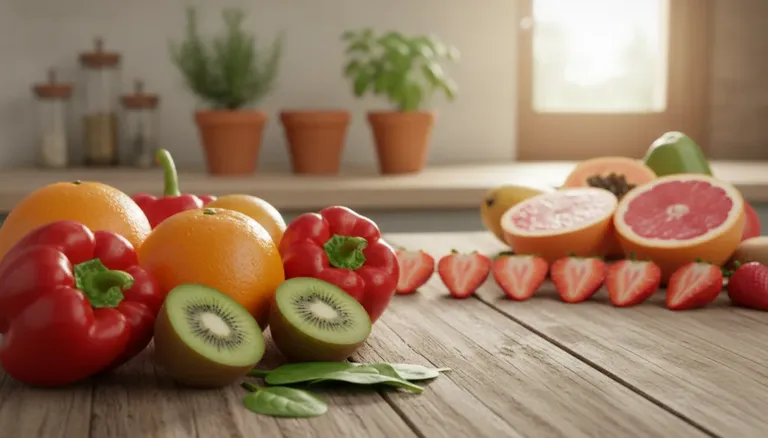
Getting enough vitamin C is easier than you think. Fruits and vegetables are the best sources. Just five servings a day can give you over 200 mg of vitamin C, more than you need.
| Food | Serving Size | Vitamin C (mg) | % Daily Value |
|---|---|---|---|
| Red Bell Pepper | ½ cup, raw | 95 | 106% |
| Orange Juice | ¾ cup | 93 | 103% |
| Kiwifruit | 1 medium | 71 | 79% |
| Broccoli | ½ cup, cooked | 51 | 57% |
| Strawberries | ½ cup | 49 | 54% |
| Baked Potato | 1 medium | 17 | 19% |
Natural vitamin C in food is as good as supplements. Your body absorbs it the same from a fresh orange as from a pill. Whole foods also give you fiber, minerals, and other benefits that supplements can’t match.
Now you know the best fruits for vitamin C. Let’s look at which ones are the most powerful.
Fruits Rich in Vitamin C
Fruits are tasty and easy ways to get vitamin C. You can snack on them or make a smoothie. Let’s find out which ones are the best.[7]
Citrus Fruits and Their Content
Oranges are known for vitamin C. A medium orange has about 70 mg. Orange juice gives you around 93 mg from three-quarters of a cup.
Grapefruit juice has about 70 mg per three-quarters of a cup. Half a grapefruit has about 39 mg.
Berries and Tropical Fruits
Berries have a lot of vitamin C. Half a cup of strawberries has 49 mg. Raspberries and blueberries are great for cereal or yogurt.
Tropical fruits like papaya, mango, and pineapple are also high in vitamin C. A kiwifruit has 64 mg, almost a day’s worth for adults.
| Fruit | Serving Size | Vitamin C (mg) |
|---|---|---|
| Orange Juice | 3/4 cup | 93 |
| Medium Orange | 1 fruit | 70 |
| Kiwifruit | 1 medium | 64 |
| Cantaloupe | 1 cup | 59 |
| Strawberries | 1/2 cup sliced | 49 |
| Grapefruit | 1/2 medium | 39 |
Surprising Fruit Sources
Cantaloupe and watermelon are often missed. One cup of cantaloupe chunks has 59 mg. Frozen fruit slices are tasty and keep their vitamin C.
Vegetables High in Vitamin C
Fruits often get the spotlight, but veggies are packed with vitamin C too.[19] Some veggies even have more vitamin C than oranges! Choosing the right veggies and cooking them right can boost your vitamin C intake.
Bell Peppers and Cruciferous Vegetables
Bell peppers are vitamin C powerhouses. A half cup of raw red bell pepper has about 95 mg.[8] That’s more than most adults need in a day. Green bell peppers have about 60 mg per half cup, still a good amount.
Cruciferous veggies are also worth noting. Here’s how they stack up:
| Vegetable | Serving Size | Vitamin C (mg) |
|---|---|---|
| Red Bell Pepper (raw) | ½ cup | 95 |
| Green Bell Pepper (raw) | ½ cup | 60 |
| Broccoli (cooked) | ½ cup | 51 |
| Brussels Sprouts (cooked) | ½ cup | 48 |
| Cabbage (cooked) | ½ cup | 28 |
| Cauliflower (raw) | ½ cup | 26 |
Leafy Greens and Root Vegetables
Dark leafy greens like spinach have about 9 mg per half cup cooked. A medium baked potato has 17 mg. Sweet potatoes are good sources too. A medium raw tomato has 17 mg, and three-quarters of a cup of tomato juice has 33 mg.
Cooking Methods to Preserve Vitamin Content
Vitamin C is water-soluble and sensitive to heat. Boiling veggies can lose up to 50% of their vitamin C. Better cooking methods include:
- Steaming — keeps most nutrients
- Microwaving — uses less water and cooks faster
- Eating produce raw whenever possible
Using gentle cooking methods ensures you get the most nutrients. This is crucial, even if you take supplements for extra vitamin C.
Vitamin C Supplements and Bioavailability
Not everyone gets enough vitamin C from food alone. About 35% of American adults take multivitamins that contain this nutrient. Roughly 12% rely on separate vitamin C supplements to meet their daily needs.
The most common form on store shelves is plain ascorbic acid supplements. Research from the National Institutes of Health confirms that the bioavailability of synthetic ascorbic acid is equivalent to the vitamin C found naturally in foods like orange juice and broccoli.[9] This makes basic ascorbic acid a smart, budget-friendly choice for most people.
Several other forms exist on the market. Mineral ascorbates — such as sodium ascorbate and calcium ascorbate — are buffered and less acidic. These are gentler on the stomach, making them a great pick for anyone prone to digestive discomfort. Ester-C is a branded form that combines calcium ascorbate with metabolites like dehydroascorbate, calcium threonate, xylonate, and lyxonate.
Studies suggest that Ester-C may produce higher vitamin C concentrations in white blood cells 24 hours after ingestion, though plasma levels remain comparable to standard ascorbic acid.
Here’s a quick look at how popular vitamin C supplements compare:
| Supplement Form | Bioavailability | Stomach-Friendly | Relative Cost |
|---|---|---|---|
| Ascorbic Acid | High | May cause irritation | Low |
| Sodium Ascorbate | High | Yes | Moderate |
| Calcium Ascorbate | High | Yes | Moderate |
| Ester-C | High | Yes | Higher |
| Ascorbic Acid with Bioflavonoids | High | May cause irritation | Moderate |
For most people, simple ascorbic acid supplements deliver the same results at a fraction of the price. If you have a sensitive stomach, buffered options or Ester-C can help you stay consistent without discomfort. Knowing the signs of deficiency — covered next — can help you decide if a supplement is right for you.
Signs and Symptoms of Deficiency
When your body doesn’t get enough vitamin C, it sends clear distress signals. Vitamin C deficiency symptoms can appear in as little as one month if your daily intake drops below 10 mg. Recognizing these warning signs early can prevent serious health problems down the road.
Vitamin C Deficiency: Warning Signs by Stage
Symptoms can appear within 1 month if daily intake drops below 10 mg
1 – 3 months without adequate intake
😠 Irritability
🦷 Gum inflammation
🤸 Joint pain
progresses to
3 – 6 months of deficiency
🔼 Corkscrew hairs
🩸 Easy bruising
🧢 Dry, rough skin
😤 Bleeding gums
severe if untreated
6+ months — medical emergency
🩸 Severe anemia
💔 Internal bleeding
🦼 Connective tissue breakdown
💡 Prevention: Just 1 orange or 1 bell pepper daily provides 100%+ of your RDA
| Stage | Timeline | Key Symptoms |
|---|---|---|
| Early Deficiency | 1–3 months | Fatigue, gum inflammation, irritability |
| Moderate Deficiency | 3–6 months | Corkscrew hairs, slow healing, bruising |
| Scurvy | 6+ months | Tooth loss, severe connective tissue weakness, anemia |
If you notice any of these scurvy signs or suspect a deficiency, talk to your doctor. Certain groups face a higher risk of inadequacy, which we’ll explore next.
Groups at Risk for Inadequacy
Not everyone faces the same chance of running low on this vital nutrient. Certain groups need extra attention due to lifestyle, diet, or health factors. Understanding these groups can help you or a loved one take action before vitamin C inadequacy becomes a real problem.
Smokers and Secondhand Smoke Exposure
Smoking floods the body with free radicals, raising oxidative stress and burning through vitamin C faster. Smokers tend to have significantly lower plasma and white blood cell vitamin C levels compared to nonsmokers.[11] The National Institutes of Health recommends smokers consume at least 35 mg more per day than the standard recommendation. Exposure to secondhand smoke can decrease levels too, putting even nonsmokers in smoke-filled environments at risk.
Limited Diet Variety and Malabsorption Issues
People who eat a narrow range of foods are prone to vitamin C inadequacy. This includes older adults on restricted diets, individuals living in poverty, those struggling with alcohol or substance use disorders, and children with very selective eating habits. Infants fed evaporated or boiled cow’s milk face particular danger, since cow’s milk contains little vitamin C and heat destroys what remains.
Malabsorption conditions—such as Crohn’s disease or celiac disease—can block the gut from taking in enough of the vitamin, even when dietary intake seems adequate.
Chronic Disease Considerations
Living with a chronic disease can quietly deplete vitamin C stores. Cancer patients experiencing cachexia, or severe muscle wasting, often show dangerously low levels. Patients with end-stage renal disease on regular hemodialysis face the same challenge, as dialysis strips water-soluble vitamins from the blood.
| Risk Group | Primary Cause of Low Vitamin C | Recommended Action |
|---|---|---|
| Smokers | Increased oxidative stress | Add 35 mg/day above standard intake |
| Secondhand smoke exposure | Environmental oxidative damage | Increase fruit and vegetable intake |
| Limited diet variety | Insufficient dietary sources | Diversify foods or consider supplements |
| Malabsorption disorders | Poor intestinal absorption | Work with a doctor on supplementation |
| End-stage renal disease | Loss through hemodialysis | Monitor levels and supplement as directed |
| Cancer patients with cachexia | Increased metabolic demand | Clinical nutritional support |
Cardiovascular Health Benefits
Vitamin C is key for heart health. Studies show it may stop damage that leads to heart disease. The results are promising, making it worth looking into.
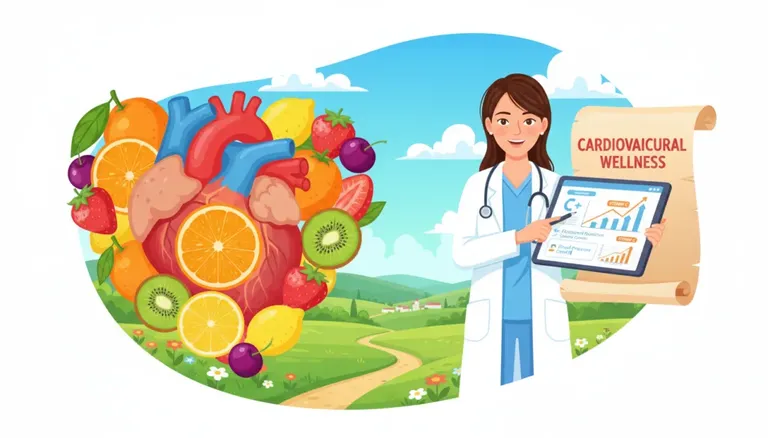 [12] These foods also offer fiber, potassium, and vitamins. Dr. Phyo K. Myint says the health benefits come from many nutrients working together.
| Cardiovascular Factor | Vitamin C’s Potential Impact | Strength of Evidence |
|---|---|---|
| Blood pressure regulation | May reduce systolic and diastolic levels | Moderate |
| Stroke risk reduction | Up to 42% lower risk with high blood levels | Strong (observational) |
| Arterial stiffness | May improve blood vessel flexibility | Emerging |
| LDL oxidation | Helps protect cholesterol from oxidative damage | Moderate |
Getting enough vitamin C is easy and good for your heart. Eating whole foods with it can help prevent heart disease. Vitamin C also helps in other ways, like fighting cancer, which we’ll look at next.
Cancer Prevention Potential
Vitamin C research is exciting, focusing on cancer prevention.[13] Eating lots of fruits and veggies lowers cancer risk. Vitamin C is key to this effect.
Research on Dietary Intake and Cancer Risk
Studies link vitamin C intake to lower cancer rates. This is true for many cancers:
- Lung and breast cancer
- Colon and rectal cancer
- Stomach and esophageal cancer
- Oral cavity, larynx, and pharynx cancer
The Nurses’ Health Study found interesting results. Women with a family history of breast cancer who ate about 205 mg/day of vitamin C had a 63% lower breast cancer risk. Cancer patients often have less vitamin C than healthy people.
Vitamin C helps prevent cancer in several ways. It stops harmful substances from forming in the body. It also protects DNA from damage and boosts the immune system to fight off bad cells.
| Mechanism | How It Works |
|---|---|
| Blocks carcinogen formation | Inhibits nitrosamine production in the stomach |
| Antioxidant protection | Neutralizes free radicals that damage DNA |
| Immune modulation | Enhances natural killer cell activity |
Limitations of Current Evidence
Despite promising data, most trials show vitamin C supplements don’t lower cancer risk alone. This suggests that eating whole foods might be better than supplements for preventing cancer. Vitamin C also has great benefits for your skin, which we’ll look at next.
Skin Health and Anti-Aging Effects
Vitamin C is key to keeping your skin young and bright. It fights off damage from UV rays and pollution. It also boosts collagen, keeping your skin firm and elastic.[14]

Wrinkle Reduction and Skin Appearance
A study in the American Journal of Clinical Nutrition looked at 4,025 women. It found that those with more vitamin C had less wrinkled skin. Their skin looked better than those with less vitamin C.
Vitamin C is crucial for collagen, the skin’s structure. As we age, collagen drops, making wrinkles harder to fight. Eating foods rich in vitamin C helps your skin repair itself.
Topical Applications vs. Dietary Intake
Both eating and applying vitamin C have benefits. Food nourishes your skin from the inside. Serums apply it directly to the skin’s surface.
| Method | Primary Benefit | Best For | Typical Concentration |
|---|---|---|---|
| Dietary Intake | Supports whole-body collagen production | Overall skin health and prevention | 75–90 mg daily (RDA) |
| Topical Vitamin C | Targets wrinkle reduction at the surface | Fine lines, dark spots, sun damage | 10–20% L-ascorbic acid serum |
| Combined Approach | Maximum protection against skin aging | Comprehensive anti-aging strategy | RDA + daily serum application |
Using both diet and topical vitamin C is best for your skin. It fights aging from inside and out, leading to lasting results.
Safety and Upper Intake Limits
Vitamin C is very safe to take, but knowing how much is safe is key. The National Institutes of Health says adults can safely take up to 2,000 mg per day. Taking less than this amount is unlikely to cause harm.
Side effects can happen if you take more than 1,000 mg daily. These might include:
- Stomach cramps and nausea
- Diarrhea
- Flatulence and bloating
But don’t worry, these symptoms usually go away when you stop or cut back on supplements.[16] Vitamin C is water-soluble, so your body gets rid of what it doesn’t need. Rarely, your kidneys might have trouble getting rid of too much, but it’s not common.
Dr. Mark Moyad from the University of Michigan says 500 mg daily is very safe and well-studied. If you’re sensitive, try non-acidic buffered forms like calcium ascorbate to ease stomach upset.
| Daily Dose | Peak Plasma Level | Risk of Side Effects |
|---|---|---|
| 200–300 mg (food sources) | ~67 micromoles/L | Very low |
| 500 mg (supplement) | ~80 micromoles/L | Very low |
| 1,250 mg/day | ~135 micromoles/L | Moderate |
| 3,000 mg every 4 hours | ~220 micromoles/L | High |
Oral doses of vitamin C reach a peak in your blood, no matter how much you take. Your body can only absorb so much. Taking less than 1,000 mg daily is usually safe for most people. This way, you get the benefits for your skin and immune system without feeling uncomfortable.
Conclusion
Vitamin C is one of the safest and most effective nutrients you can get. It boosts your immune system, protects your heart, and keeps your skin looking great. It plays a key role in nearly every part of your nutritional health.[15]
Research shows that keeping vitamin C levels optimal is a strong marker of overall wellness. Most adults in the United States already meet daily intake recommendations through food alone. Adult males average about 105 mg per day, while females take in around 84 mg.
A balanced diet packed with colorful fruits and vegetables gives you plenty of vitamin C. It also provides other essential nutrients your body needs to thrive. While supplements can fill gaps when needed, whole food sources are the best option for long-term health.
Eating a wide variety of produce is the simplest way to get enough of this vital nutrient. A daily multivitamin can serve as a helpful safety net. Many people fall short on several key nutrients beyond just vitamin C.
Frequently Asked Questions
What is vitamin C and why can’t humans produce it?▼
Vitamin C, also known as L-ascorbic acid, is a water-soluble vitamin found in many foods and supplements. Humans can’t make vitamin C on their own. This makes it crucial to get it from food or supplements every day.
Since our bodies don’t store vitamin C, we need to eat it daily. It helps with collagen synthesis, supports the immune system, and acts as an antioxidant.
How much vitamin C do I need each day?▼
The Recommended Dietary Allowance (RDA) changes based on age, gender, and life stage. Adult men need 90mg daily, while women need 75mg. Children and teenagers require less, but pregnant and breastfeeding women need more.
Smokers should take an extra 35mg per day because of increased oxidative stress. The safe upper limit is 2,000mg daily, but 500mg daily is well proven to be safe.
What are the best food sources of vitamin C?▼
Fruits and vegetables are the top sources of vitamin C. Red bell peppers have 95mg per half cup, followed by broccoli and Brussels sprouts. Orange juice, oranges, and kiwifruit are also rich in vitamin C.
Even potatoes and tomatoes contribute to your daily intake.[18] Eating five servings of fruits and vegetables daily can give you over 200mg of vitamin C.
What are the key health benefits of vitamin C?▼
Vitamin C is vital for collagen formation, which supports connective tissue and wound healing. It also acts as a physiological antioxidant and boosts the immune system.
It helps with iron absorption and is involved in neurotransmitter production and protein metabolism. Research links it to cardiovascular protection, reduced stroke risk, and cancer prevention.
What happens if I don’t get enough vitamin C?▼
Vitamin C deficiency can lead to serious health issues if not addressed. Early symptoms include fatigue, malaise, and gum inflammation.
As deficiency worsens, it can cause petechiae, joint pain, poor wound healing, corkscrew hairs, and hyperkeratosis. Severe cases may include depression, swollen bleeding gums, loosening or loss of teeth, and iron deficiency anemia.
Who is most at risk for vitamin C deficiency?▼
Several groups are at higher risk for vitamin C inadequacy. Smokers and those exposed to secondhand smoke have lower levels. Infants fed evaporated or boiled cow’s milk are also at risk.
People with limited food variety, severe intestinal malabsorption, cachexia, certain cancers, and end-stage renal disease patients on chronic hemodialysis are also at risk.
Should I take vitamin C supplements or get it from food?▼
Both methods are effective. Natural ascorbic acid in foods has the same bioavailability as supplements. Food sources provide additional nutrients like fiber, vitamins, and minerals.
Supplements come in various forms, including sodium ascorbate, calcium ascorbate, mineral ascorbates, and Ester-C. Ester-C may produce higher leukocyte concentrations. Simple ascorbic acid is often preferred for its low cost and effectiveness.
Can vitamin C help prevent cardiovascular disease and stroke?▼
Research shows mixed results on vitamin C and cardiovascular health. A study found that high blood vitamin C levels were linked to a 42% lower stroke risk. Vitamin C may help prevent oxidative damage that contributes to cardiovascular disease.
Dr. Phyo K. Myint notes that produce consumption and multiple nutrients may benefit heart health. But, it’s hard to isolate vitamin C’s specific contribution due to the presence of other nutrients.
Does vitamin C really help with the common cold?▼
Vitamin C is not a cure for the common cold, but it may help prevent serious complications.[17] It plays a key role in immune function and is actively maintained in leukocytes (white blood cells).
There’s evidence that vitamin C reduces the risk of pneumonia and lung infections. The RDA values are based on its role in white blood cells, highlighting its importance for a strong immune defense.
Can vitamin C improve skin health and reduce signs of aging?▼
Yes, vitamin C is beneficial for skin health and anti-aging. A study found that higher vitamin C intakes were associated with a lower likelihood of wrinkled appearance, skin dryness, and better overall skin-aging appearance.
Vitamin C is essential for collagen formation, which impacts skin elasticity and firmness. Its antioxidant properties protect skin cells from damage. Both dietary intake and topical applications of vitamin C have shown benefits, with some studies demonstrating visible reduction in wrinkles.
Is it safe to take high doses of vitamin C?▼
The tolerable upper intake level for adults is 2,000mg daily, which is unlikely to cause harm. Taking less than 1,000mg daily is also safe. But, taking more than 1,000mg per day may cause stomach pain, diarrhea, and flatulence.
Since the body doesn’t store vitamin C, overdose isn’t really a concern in the traditional sense. At oral doses of 1.25g per day, peak plasma concentrations reach about 135 micromoles/L. Even 3g every four hours only produces peak plasma of 220 micromoles/L. For daily supplementation, non-acidic buffered forms are recommended to minimize stomach irritation, and Dr. Mark Moyad confirms that 500mg daily carries strong evidence of safety.
How does cooking affect the vitamin C content in food?▼
Cooking methods significantly impact vitamin C levels in food. Boiling causes the greatest losses, as vitamin C leaches into the cooking water and is destroyed by heat exposure. To preserve vitamin C, opt for steaming or microwaving, which minimize both water contact and cooking time.
Eating fruits and vegetables raw when possible ensures maximum vitamin content. For example, raw broccoli provides 39mg per half cup compared to 51mg when cooked, though cooking can also release some nutrients. Frozen fruit slices also make excellent options as they maintain their vitamin content well.
How does vitamin C absorption work in the body?▼
Vitamin C intestinal absorption is regulated by dose-dependent active transporters. Your body adjusts absorption based on how much you consume. At moderate intakes of 30-180mg per day, approximately 70-90% of vitamin C is absorbed — a highly efficient rate.
At doses above 1g per day, absorption falls below 50%, which means megadoses provide diminishing returns. Once absorbed, cells accumulate vitamin C via specific transport proteins. Interestingly, dehydroascorbic acid — an oxidized form — enters cells through glucose transporters and is then converted back to ascorbic acid internally. This efficient system ensures your cells get the vitamin C they need when intake is within recommended ranges.
Can vitamin C help reduce cancer risk?▼
Epidemiologic evidence suggests that higher fruit and vegetable consumption is associated with lower cancer risk, partly attributed to vitamin C content. Vitamin C limits the formation of carcinogens like nitrosamines in the body, modulates immune response, and through its antioxidant function may reduce oxidative damage that leads to cancer.
Case-control studies have found inverse associations between dietary vitamin C and cancers of the lung, breast, colon, rectum, stomach, oral cavity, larynx, pharynx, and esophagus. Notably, the Nurses’ Health Study showed a 63% lower breast cancer risk in premenopausal women with a family history who consumed 205mg per day versus 70mg per day. But, most randomized controlled trials have found that supplementation alone doesn’t significantly affect cancer risk, suggesting whole food sources may offer broader protection.
Related Reading
Sources
- Vitamin C – NIH Office of Dietary Supplements (Health Professional)
- Vitamin C – MedlinePlus, U.S. National Library of Medicine
- Carr AC, Maggini S. Vitamin C and Immune Function. Nutrients (2017)
- Vitamin C – Harvard T.H. Chan School of Public Health
- Vitamin C – Mayo Clinic
- Vitamin C – Linus Pauling Institute, Oregon State University
- Vitamin C Consumer Fact Sheet – NIH
- Padayatty SJ, Levine M. Vitamin C: the known and the unknown. Oral Dis (2016)
- Vitamin C bioavailability and pharmacokinetics. Nutrients (2019)
- Lykkesfeldt J et al. Vitamin C. Adv Nutr (2014)
- Vitamin C Supplement Guide – WebMD
- Moser MA, Chun OK. Vitamin C and Heart Health. Nutrients (2016)
- Pullar JM et al. The Roles of Vitamin C in Skin Health. Nutrients (2017)
- Vitamin C absorption mechanisms. Subcell Biochem (2012)
- Vitamin C tolerable upper intake levels. Am J Clin Nutr (2006)
- Dietary Supplements – U.S. FDA
- Hemila H, Chalker E. Vitamin C for preventing the common cold. Cochrane (2013)
- Vitamin and mineral requirements in human nutrition – WHO/FAO
- Foods Rich in Vitamin C for Immune Support – Remedy’s Nutrition