

In 1933, a scientist named Roger J. Williams made a crucial discovery. He found that a specific compound was absolutely necessary for yeast to grow. This substance is now known as an essential nutrient for human health.
The name for this nutrient comes from the Greek word “pantothen.” It translates to “from everywhere.” This is a fitting name because you can find it in almost every type of food.
This compound is water-soluble. That means your body uses it daily and doesn’t store large amounts. It plays a fundamental role in many of your body’s core processes.
Our guide dives into the science of this vital acid. We’ll explore how it supports your energy and well-being. You’ll also learn about the best dietary sources and how much you need.
Quick Answer
Vitamin B5, or pantothenic acid, is an essential water-soluble vitamin that serves as the building block for Coenzyme A — the molecule your body needs to convert carbohydrates, fats, and proteins into usable energy. Most adults need just 5 mg per day, an amount easily met through a varied diet including liver, eggs, avocado, and whole grains. True deficiency is extremely rare because pantothenic acid is found in virtually all foods, though cooking and processing can reduce its content. While supplements are widely available as calcium pantothenate, a balanced diet is the best way to maintain optimal levels and support metabolism, hormone production, and healthy skin.
Key Takeaways
- Vitamin B5 (pantothenic acid) is essential for producing Coenzyme A, the molecule that drives energy metabolism in every cell of your body.
- The recommended adequate intake for adults is 5 mg per day; pregnant women need 6 mg and breastfeeding women need 7 mg daily.
- Pantothenic acid is found in nearly every food — liver, eggs, avocado, mushrooms, salmon, and whole grains are among the richest sources.
- True deficiency is extremely rare and typically only occurs in cases of severe malnutrition; early signs include fatigue, tingling in the feet, and irritability.
- Processing and milling strip pantothenic acid from grains, so choosing whole, unprocessed foods maximizes your intake.
- Supplement forms include calcium pantothenate for oral use and panthenol for topical skin and hair products; there is no established upper tolerable intake level.
- Beyond energy production, B5 supports adrenal hormone synthesis, cholesterol production, and wound healing, making it a cornerstone of overall metabolic health.
What is Vitamin B5 (Pantothenic Acid)?
Think of pantothenic acid as a key raw material your cells need to produce energy. This nutrient is the starting point for making a molecule called coenzyme A, or CoA. CoA is a helper molecule that drives many chemical reactions inside you.

Definition and Biochemical Role
In simple terms, pantothenic acid is a water-soluble vitamin. Your body cannot make it, so you must get it from food. Its main job is to become part of CoA.[1][3]
CoA is essential for your metabolism. It helps break down fats, proteins, and carbs from your meals. This process turns food into fuel your body can use.
Overview of Coenzyme A Synthesis
Turning pantothenic acid into CoA is a five-step process. It requires other building blocks like the amino acid cysteine. It also needs energy from four ATP molecules.[3]
The first step is controlled by an enzyme called pantothenate kinase. This enzyme is smart. It slows down when there is enough CoA already made. This prevents your body from making too much.
| Component | Role in Synthesis | Primary Source |
|---|---|---|
| Pantothenic Acid | Core precursor molecule | Diet (Various Foods) |
| Cysteine | Provides sulfur group | Dietary Protein |
| ATP | Supplies chemical energy | Cell Metabolism |
| Pantothenate Kinase | Regulates the first step | Produced in cells |
| Coenzyme A (CoA) | Final, active product | Synthesized in cells |
This well-regulated pathway ensures your cells have a steady supply of CoA. Since the vitamin is water-soluble, you need to eat foods with it regularly. Your body doesn’t store large amounts for later.
Key Health Benefits of Vitamin B5
Many people turn to supplements for skin and hair support, but what does the science actually say about pantothenic acid? Its roles in the body are fundamental, but popular claims often outpace the research.[10]
Enhancing Cellular Energy and Metabolism
This acid is a cornerstone of your metabolism. By forming coenzyme A, it helps your cells convert food into usable fuel.
Maintaining good levels is linked to steady energy production. Most individuals get all they need from a balanced diet.
Supporting Skin, Hair & Overall Well-being
Early science showed promise. In 1936, researchers Elvehjem and Jukes found it was a crucial growth and anti-dermatitis factor in animals.
This historical finding supports its role in maintaining healthy skin. For hair, however, human evidence is limited. Claims about preventing hair loss lack strong clinical proof.[12]
As noted by WebMD, “there is currently insufficient scientific evidence to support most” popular claims for these supplements.
Beyond appearance, the acid aids in producing hormones and cholesterol. This supports your body’s overall well-being from the inside out.[4]
While these vitamins are popular for cosmetic purposes, definitive proof from human studies is still needed.[6]
How Vitamin B5 Works in the Body
Every bite you eat starts a complex journey of conversion. A particular acid is the unsung hero making it all possible.
The Role in Protein, Carbohydrate & Fat Metabolism
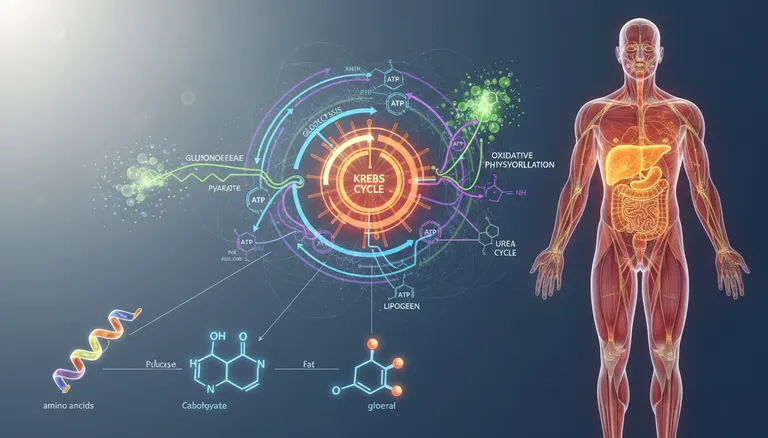
Your body uses pantothenic acid to build coenzyme A. This helper molecule is the primary driver for processing proteins, carbohydrates, and fats into fuel.
Inside your cells, coenzyme A enables the citric acid cycle. This is your main energy-producing pathway. It efficiently breaks down nutrients into usable power.
A key product is Acetyl-CoA. This compound transports carbon atoms for energy production. It is also essential for creating various fats and lipids.
The metabolism pathways involving this acid are fundamental. They are required for making hormones and cholesterol. Without enough pantothenic acid, processing carbohydrates and proteins becomes inefficient.
Dietary Sources and Natural Foods Rich in Vitamin B5
Your kitchen is likely already stocked with excellent sources of this essential nutrient. Since your body doesn’t store it, eating a variety of foods daily is key.

This compound is found in many foods, both from animal and plant origins. A balanced diet makes it simple to get enough.[8]
Animal-Based Sources and Dairy Products
Animal products are particularly rich in pantothenic acid. Organ meats like liver and kidney top the list.
Common choices like eggs, milk, and yogurt are also great. Chicken, fish, and shellfish provide a solid amount too.
Including these in your meals helps ensure a steady intake of this vital acid.
Plant-Based Options and Whole Grains
For plant-based eaters, legumes, mushrooms, and avocados are excellent choices. They are versatile and nutrient-dense foods.
Whole grains like brown rice and oats are primary sources. However, processing is a problem.
Milling to make white flour or white rice strips away the outer layer. This removes much of the pantothenic acid.
Choosing whole, unprocessed ingredients is the best way to get the maximum benefit from your food.
Recommended Dosage and Daily Intake Guidelines
How much of this essential nutrient do you actually need each day? Official guidelines provide clear targets to support your health.
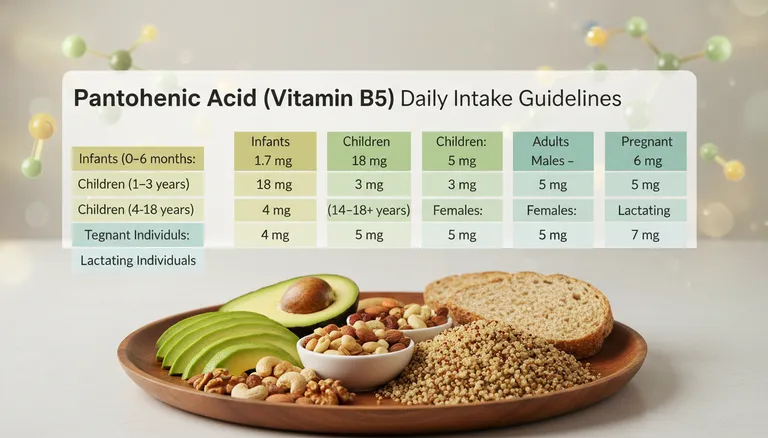
Experts use an Adequate Intake (AI) value. This is the amount believed to meet the needs of most healthy people.
Daily Intake Recommendations for Adults and Special Groups
For teens and adults aged 14 years and older, the AI is 5 mg daily. This level supports normal metabolic energy production.
Requirements increase during pregnancy and breastfeeding. Pregnant women need 6 mg per day. Breastfeeding women should aim for 7 mg.
Children’s needs grow with them. The following table outlines the full set of recommendations.
| Life Stage | Age | Adequate Intake (mg/day) |
|---|---|---|
| Infants | 0-6 months | 1.7 |
| Infants | 7-12 months | 1.8 |
| Children | 1-3 years | 2 |
| Children | 4-8 years | 3 |
| Children | 9-13 years | 4 |
| Teens & Adults | 14 years and older | 5 |
| Pregnant Women | – | 6 |
| Breastfeeding Women | – | 7 |
These values help ensure an adequate intake of pantothenic acid. Always talk to your doctor for personal advice.[1][11]
Potential Deficiency Symptoms and Safety Considerations
Extreme cases of malnutrition have revealed what happens when the body lacks a specific essential acid. True pantothenic acid deficiency is incredibly rare. It has only been documented in severe scenarios like prisoners of war.[7]

Recognizing Signs of Vitamin B5 Deficiency
When a deficiency does occur, it can affect the nervous system. A classic sign is a tingling or burning feeling in the feet, known as paresthesia.[2]
Other potential symptoms include irritability, fatigue, and muscle cramps. These issues stem from impaired energy production inside cells. Thankfully, most people will never experience these signs.
Safety, Absorption, and Excretion Details
Your body manages this nutrient efficiently. Excess amounts are flushed out through your urine. On a standard diet, about 2.6 mg is excreted daily.
This is why you need to replenish it regularly through food. There is no established upper safety limit for this acid. No human data suggests high doses cause harm.
Clinical deficiencies are uncommon because the vitamin is found everywhere in the food supply. A balanced diet easily prevents any shortfall.
Supplementing with Vitamin B5: Forms and Considerations
Choosing the right supplement involves understanding the different available forms.
Most people get enough from food, but some consider a boost. Knowing about stability and intended use helps you pick wisely.
Common Supplement Forms: Calcium Pantothenate and Panthenol
Manufacturers often use calcium pantothenate. This salt form is more stable than free pantothenic acid. It ensures a longer shelf life for products.
Another form, panthenol, is common in topical creams and hair products. It converts to the active acid in the body.
| Form | Primary Use | Stability | Key Consideration |
|---|---|---|---|
| Calcium Pantothenate | Oral supplements | High | Preferred for pill and capsule formulations |
| Panthenol (Provitamin B5) | Topical skin/hair care | Good in formulations | Converts to pantothenic acid upon absorption |
Supplementation Best Practices and Usage Tips
Some take high doses hoping for specific effects, like preventing hair loss. Current scientific evidence does not strongly support these uses.
Routine checks of blood levels are uncommon. Most people maintain adequate levels through diet alone.
Always check supplement labels for quality seals. Before starting, review the official fact sheet from the NIH Office of Dietary Supplements. It details the safety of various vitamins.[9]
Conclusion
To wrap up, pantothenic acid is a fundamental nutrient that quietly powers your daily life. It is essential for turning food into usable energy and creating vital compounds like cholesterol.
A true deficiency of this acid is very rare. You can easily maintain good levels by eating a variety of whole foods. While supplements exist, strong proof for extra effects is limited.
Knowing how this nutrient works helps you make smart choices for your health. It is a key part of supporting your body’s natural functions for many years to come. For those looking to boost energy naturally through nutritional support, understanding your B-vitamin needs is the first step.[5][13]
Frequently Asked Questions
What exactly is pantothenic acid?▼
Pantothenic acid is an essential water-soluble nutrient your body needs to function. Its primary job is to help create Coenzyme A, a vital molecule involved in breaking down fats, proteins, and carbohydrates from your diet into usable energy for your cells.
How does this nutrient support my skin and hair?▼
It plays a key role in maintaining healthy skin by supporting the skin’s barrier function and aiding in wound repair. For your hair, it contributes to follicle health. Many topical cosmetic products use a form called panthenol for its moisturizing and soothing properties.
What are the best food sources to get enough of it?▼
You can find it in a wide variety of foods. Excellent animal-based sources include liver, chicken, and fish like salmon. For plant-based options, focus on avocados, mushrooms, sunflower seeds, and whole grains. Dairy products like yogurt are also good sources.
How much should I be getting every day?▼
For most adults, the adequate intake is set at 5 milligrams per day. Pregnant and breastfeeding women need a bit more, at 6 mg and 7 mg daily, respectively. Most people can meet this need through a balanced diet rich in the foods mentioned above.
What happens if someone doesn’t get enough?▼
True deficiency is very rare but can lead to fatigue, irritability, and numbness or burning sensations in the hands and feet. Because it’s so widespread in foods, severe cases are typically only seen in cases of severe malnutrition.
Are supplements necessary or beneficial?▼
For the general population eating a varied diet, supplements are usually not needed. However, a healthcare provider might recommend a supplement like D-Calcium Pantothenate in specific situations. Always consult a professional before starting any new supplement regimen.
Related Reading
Sources
- NIH Office of Dietary Supplements — Pantothenic Acid
- Remedy’s Nutrition — Boost Your Energy Naturally
- Linus Pauling Institute — Pantothenic Acid
- Leonardi R et al. — Coenzyme A biosynthesis and enzymatic regulation
- McRae MP — Therapeutic benefits of pantethine (B5) and cholesterol
- Weimann BI, Hermann D — Wound healing and pantothenic acid
- Yang M et al. — Pantothenic acid and acne treatment
- Sweetman L — Pantothenic acid metabolism and disorders (PMC8912069)
- USDA FoodData Central
- Healthline — Vitamin B5 (Pantothenic Acid): Everything You Need to Know
- WebMD — Pantothenic Acid: Uses, Side Effects and More
- Harvard T.H. Chan School of Public Health — Pantothenic Acid (Vitamin B5)
- Medical News Today — What are the health benefits of vitamin B5?