

Ever wonder what gives you the energy to power through your day? A key player is thiamine, an essential nutrient your body can’t make on its own. It works behind the scenes to convert the carbohydrates you eat into usable fuel.
This vital compound does much more than just boost your energy levels. It is fundamental for keeping your nervous system running smoothly and supporting a strong, healthy heart. Optimal daily performance depends on these critical functions.
How much do you need? According to the National Institutes of Health (NIH), adult males typically require 1.2 milligrams (mg) daily. Adult females need slightly less, at 1.1 mg. Hitting these daily targets is a simple yet powerful step for safeguarding your long-term well-being.
Because it’s water-soluble, your body flushes out excess amounts regularly. This means you need a consistent supply from your diet or supplements. Understanding this helps you make informed choices for your physical wellness.
Quick Answer
Vitamin B1, or thiamine, is an essential water-soluble vitamin that acts as a coenzyme (thiamine pyrophosphate) to convert carbohydrates into ATP — the energy currency your cells run on. Adult men need 1.2 mg per day and women need 1.1 mg, amounts easily met through whole grains, fortified cereals, pork, and legumes. Because the body does not store thiamine, a daily supply is critical; deficiency can progress to serious conditions including beriberi and Wernicke-Korsakoff syndrome, particularly in people with alcohol use disorder or malabsorption conditions. Most healthy people meet their needs through diet alone, but high-risk groups should consult a doctor about supplementation.
Key Takeaways
- Thiamine (Vitamin B1) functions as the coenzyme thiamine pyrophosphate (TPP), essential for converting pyruvate into acetyl-CoA and fueling the citric acid cycle for ATP production.
- The Recommended Dietary Allowance is 1.2 mg/day for adult men and 1.1 mg/day for adult women; pregnant and breastfeeding women may need up to 1.4 mg daily.
- Top food sources include fortified breakfast cereals, whole-grain brown rice, pork, trout, tuna, legumes, and sunflower seeds; processing greatly reduces thiamine content in refined grains.
- Deficiency can cause peripheral neuropathy, muscle weakness, and heart complications (beriberi), and in severe cases leads to Wernicke-Korsakoff syndrome — a potentially irreversible neurological disorder.
- High-risk groups include people with alcohol use disorder, diabetes, digestive conditions, and those on diuretics or undergoing dialysis — these groups require closer monitoring of thiamine status.
- Emerging research suggests high-dose thiamine (300 mg/day) may benefit people with diabetes by supporting glucose metabolism and reducing vascular complications.
- Since thiamine is water-soluble and not stored, consistent daily intake through whole foods or supplements (under medical guidance) is the best way to maintain optimal levels.
Introduction to Vitamin B1 (Thiamine)
Thiamine might not be a household name, but its role in your daily health is enormous. This nutrient is water-soluble. It travels in your bloodstream and any extra is excreted in urine.
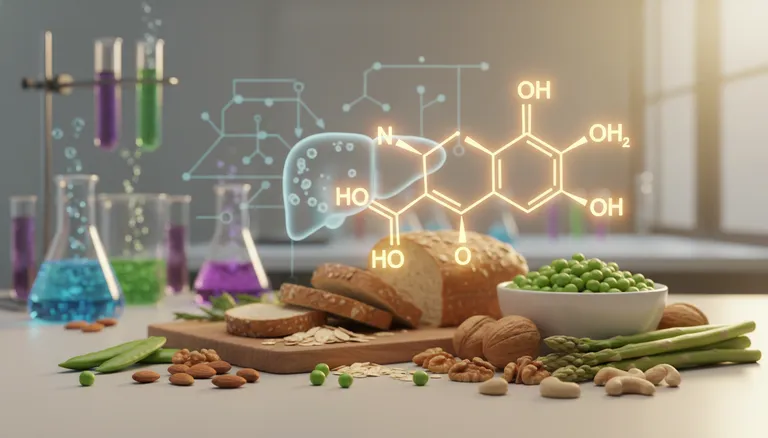
Since your body does not store it, you need a continuous supply from your daily food. Its primary job is to help your metabolism work correctly.
Thiamine is vital for breaking down carbohydrates, fats, and proteins. This process turns your meals into glucose, your body’s main fuel source.
What is Vitamin B1 and Why It Matters
Maintaining good levels of this vitamin supports many parts of your body. It is fundamental for sharp brain function and a healthy nervous system throughout life.
| Property | Detail |
|---|---|
| Type | Water-Soluble Vitamin |
| Storage in Body | Not stored; requires daily intake |
| Primary Role | Converts food into cellular energy |
| Daily Need | Men: 1.2 mg, Women: 1.1 mg (NIH) |
Consistent intake also aids your liver, skin, hair, and eyes. Because your body flushes out excess, regular consumption is key for long-term wellness.
Understanding the Role of Vitamin B1 in Energy Metabolism
At the cellular level, converting food into fuel is a complex dance, and thiamine leads the choreography. This essential nutrient is the backbone of your metabolism, turning what you eat into the energy that powers every move you make.
Carbohydrate Conversion & ATP Production
Thiamine works as thiamine pyrophosphate (TPP), a vital coenzyme. It helps your cells break down carbs and certain amino acids. Inside the mitochondria, TPP catalyzes a key step: changing pyruvate into acetyl-CoA.
This step is the gateway to the citric acid cycle, your body’s main energy-producing pathway. The end result is adenosine triphosphate (ATP), the universal energy currency all your cells rely on.[2][8]
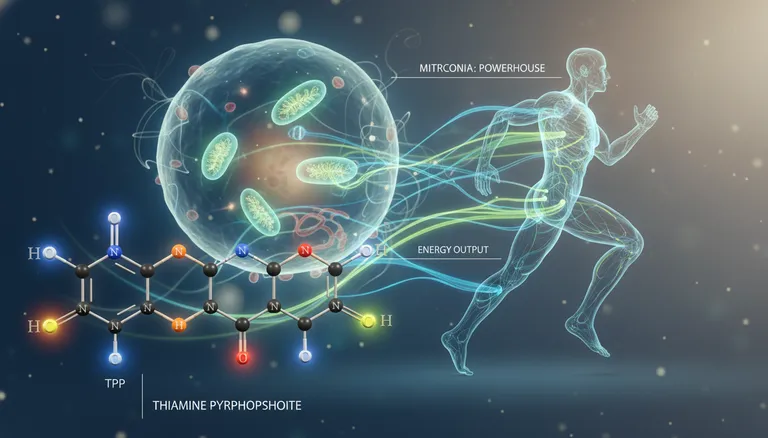
Efficient ATP production keeps your metabolism stable and meets your daily energy demands. Without enough thiamine, this entire system can slow down. Exploring the link between B vitamins and daily energy levels helps clarify why consistent thiamine intake is non-negotiable.
Supporting the Nervous and Heart Systems
This vitamin’s role extends beyond energy factories. Your nervous system needs it to manage electrolyte flow in and out of nerve and muscle cells. This is critical for proper nerve function and communication.
Furthermore, it ensures proper glucose utilization. This prevents the build-up of harmful metabolic byproducts that could damage tissues over time. A steady supply supports a strong, rhythmic heartbeat and overall cardiovascular health.
| Enzymatic Reaction | Primary Function | Outcome for the Body |
|---|---|---|
| Pyruvate Decarboxylation | Converts pyruvate to acetyl-CoA | Fuels the citric acid cycle for ATP synthesis |
| Alpha-Ketoglutarate Dehydrogenase Complex | Advances the citric acid cycle | Sustains continuous cellular energy production |
| Transketolase Activity (Pentose Phosphate Pathway) | Aids in nucleotide and amino acid synthesis | Supports cell growth and repair |
| Branched-Chain Amino Acid Metabolism | Helps break down leucine, isoleucine, valine | Provides alternative energy sources during stress |
Health Benefits and Essential Functions
Think of your brain and heart as high-performance engines. They need the right fuel to run smoothly and avoid breakdowns. Thiamine provides crucial support for these vital organs.
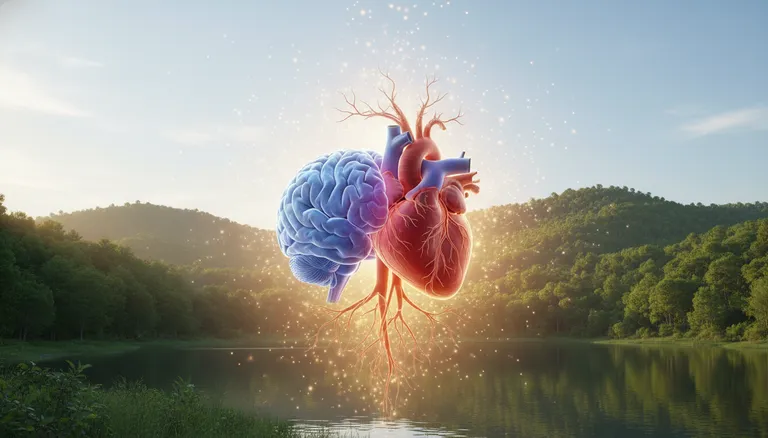
Getting enough of this nutrient offers wide-ranging benefits for your overall well-being. It plays a direct role in keeping your nervous and cardiovascular systems in top shape.
Enhancing Brain and Nervous System Health
Your nervous system relies on thiamine for clear communication. It helps manage the flow of electrolytes across nerve cells. This process is essential for sharp thinking and strong memory.
Maintaining good levels protects against cognitive fog. It supports the overall integrity of your neural pathways for lifelong mental clarity.[3] Similar to how vitamin B3 and NAD+ energy production support the nervous system, thiamine is indispensable for cognitive health.
Promoting Cardiovascular Support
Your heart muscle needs consistent energy to beat strongly and regularly. This vitamin is key for proper muscle function and efficient fuel use. It helps prevent the heart from becoming overworked or weakened.
Stable electrolyte balance, influenced by thiamine, is critical for a steady rhythm. This support is a cornerstone of long-term cardiovascular health.[7]
| Body System | Primary Support Role | Key Health Outcome |
|---|---|---|
| Nervous System | Facilitates nerve signaling and protects neural tissue | Supports concentration, memory, and protects against cognitive decline |
| Cardiovascular System | Ensures proper heart muscle function and glucose utilization | Promotes a strong, rhythmic heartbeat and helps prevent functional complications |
By supporting these core systems, you invest in your complete physical and mental health.
Recommended Daily Dosage & Nutritional Guidelines
Your daily thiamine requirement isn’t a one-size-fits-all number. It changes based on your life stage and lifestyle. Official guidelines give most healthy adults a clear nutritional target to aim for.
Overview of RDA and Nutrient Requirements
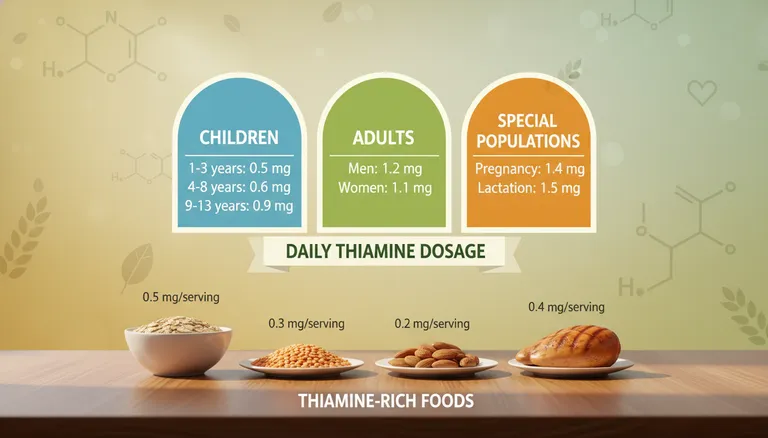
The Recommended Dietary Allowance (RDA) provides a solid baseline. For men, the National Institutes of Health suggests 1.2 milligrams daily. Women generally need 1.1 milligrams per day.[1][11]
This daily intake helps maintain healthy thiamine levels in your body. Needs can increase during specific life phases.
Pregnant and breastfeeding women, for example, often require up to 1.4 mg each day. This supports both maternal and infant health.
Factors Influencing Thiamine Needs
Several factors can significantly raise your body’s demand for this nutrient. Strenuous physical exertion, fever, and periods of rapid growth like adolescence all increase requirements.
Certain medical situations also affect needs. People using diuretics or undergoing hemodialysis may excrete more thiamine. They often need a higher dietary intake to prevent a shortfall.
It’s wise for adults with such conditions to monitor their nutritional status. A healthcare provider can offer personalized guidance for optimal intake. Understanding common nutritional deficiencies in modern diets can help you identify whether you may be at risk.
Natural Food Sources Rich in Vitamin B1
A balanced diet rich in specific whole foods is your most reliable source of this essential nutrient. You can find thiamine in a wide variety of common items, making it easy to incorporate into your daily meals.[9]
Whole Grains, Fortified Cereals, and Pulses
Start your day with a bowl of fortified breakfast cereal. Just one serving can provide about 1.2 mg of thiamine, meeting the full daily recommendation for most adults.
For lunch or dinner, choose brown rice over unenriched white varieties. Whole-grain brown rice is a nutrient-dense option, while processed white rice contains only one-tenth of the thiamine. Even a slice of whole wheat bread contributes roughly 0.1 mg to your daily total.
Protein, Seafood, and Other Thiamine-Dense Foods
Animal proteins are excellent natural sources. Pork, trout, tuna, and mussels are all packed with this vitamin. Including these foods supports a balanced and nutritious diet.
| Food Category | Example Foods | Approximate Thiamine Content |
|---|---|---|
| Fortified Grains | Breakfast Cereal | 1.2 mg per serving (100% RDA) |
| Whole Grains | Brown Rice, Whole Wheat Bread | High in brown rice; 0.1 mg per bread slice |
| Refined Grains | Unenriched White Rice | Contains about 10% of brown rice’s thiamine |
| Protein & Seafood | Pork, Trout, Tuna, Mussels | Excellent natural sources |
A quick cooking tip: since thiamine can be destroyed in water, opting for raw or lightly steamed foods helps preserve these valuable nutrients for your body.
Recognizing Vitamin B1 Deficiency: Signs and Symptoms
The history of beriberi, a condition linked to severe thiamine lack, shows just how vital it is to catch deficiency early. Documented as far back as 2600 B.C., this illness reminds us that ignoring your body’s signals can have serious consequences.[4]

Early Warning Signs and Deficiency Symptoms
Your body often sends subtle hints first. Early symptoms can be vague and easily mistaken for everyday stress or other minor issues.
- Confusion, irritability, and unusual fatigue
- Tingling or a burning feeling in the arms and legs
- Blurred vision, loss of appetite, and nausea
Because these signs mimic other common problems, many people don’t connect them to a nutritional shortfall right away.
Identifying At-Risk Groups
If the initial deficiency goes unaddressed, it can progress. This can lead to the classic signs of beriberi: peripheral neuropathy, muscle weakness, and an enlarged heart.
Spotting these symptoms early is critical. Prompt medical care can prevent long-term nerve damage and more severe cardiovascular complications.Like vitamin B12 for neurological health and nerve function, thiamine plays a critical protective role — and deficiency in either can cause lasting nerve damage.
Underlying Causes and Consequences of Thiamine Deficiency
A silent metabolic crisis can begin with something as common as chronic alcohol consumption. A thiamine shortfall doesn’t just cause fatigue; it can disrupt your body’s core energy pathways. This disruption leads to serious health disorders if left unchecked.
Impact on Glucose Metabolism and Energy Production
When thiamine levels are low, your cells struggle to process glucose efficiently. This vital nutrient is a coenzyme needed to convert pyruvate. Without it, pyruvate and lactate accumulate in your bloodstream.
This buildup can lead to a dangerous condition called lactic acidosis. It’s a metabolic disorder where your blood becomes too acidic. This is often seen in a form of beriberi affecting the digestive system.
Potential Health Disorders Linked to Low B1 Levels
The most notorious disorder is Wernicke-Korsakoff syndrome. This serious neurological condition is strongly linked to chronic alcoholism. It causes severe memory loss, confusion, and difficulty with coordination.
Other causes include bariatric surgery and severe malnutrition. These conditions limit nutrient absorption and can trigger a similar metabolic crisis. Untreated deficiency risks permanent neurological damage.[5]
| Primary Cause | Metabolic Consequence | Associated Health Disorder |
|---|---|---|
| Chronic Alcohol Use | Impaired thiamine absorption & utilization | Wernicke-Korsakoff Syndrome |
| Gastrointestinal Surgery / Malnutrition | Disrupted glucose metabolism | Lactic Acidosis, Gastrointestinal Beriberi |
| Long-term Deficiency | Accumulation of neurotoxic byproducts | Irreversible Neurological Damage |
How to Embrace Vitamin B1 in Your Daily Routine
Since your system doesn’t stockpile it, prioritizing thiamine-rich foods daily is a practical must. Your body flushes out excess and requires a fresh intake every single day to function optimally.
Making this nutrient a consistent part of your eating habits is easier than you think. A few simple, strategic choices can seamlessly boost your levels.
- Include whole grains like brown rice or oatmeal in your meals instead of refined flours.
- Add a source of vitamin C, such as bell peppers or oranges, to enhance absorption.
- Limit added sugars, as processing them uses up thiamine.
- Plan your diet to feature varied proteins and vegetables each day.
This approach ensures a steady supply of this vital coenzyme. Consistency is the cornerstone of good health. Pairing thiamine-rich foods with magnesium for muscle and nerve support creates a powerful foundation for daily wellness.
Supplementing for Optimal Vitamin B1 Intake
For individuals struggling to maintain adequate thiamine levels through diet alone, supplementation offers a practical solution. It can help correct a nutritional shortfall and restore balance.
Before adding any pill to your routine, a conversation with your doctor is essential. This professional care ensures the supplement is safe and right for you.
Choosing the Right Vitamin B1 Supplement
Your healthcare provider will check your current medications. Drugs like the chemotherapy agent fluorouracil can interact with thiamine.
Medical supervision is vital for people with alcohol use disorder. They often need targeted supplementation to address severe depletion.
Always choose supplements based on expert advice for your specific health needs.
| Consideration | Details | Recommended Action |
|---|---|---|
| Medication Review | Some drugs, like fluorouracil, may interact. | Consult a doctor before starting any new supplement. |
| Beverage Habits | Drinking over 16 oz of coffee or tea daily can hinder absorption. | Moderate intake to support optimal nutrient levels. |
| Underlying Conditions | Alcohol use disorder significantly increases the risk of deficiency. | Seek medical care for a comprehensive treatment plan. |
Dietary Strategies for Enhanced Absorption
Your daily intake from food can be supported by smart habits. Limit coffee and tea to avoid them acting as an anti-thiamin factor.
This simple step helps your body use the nutrient more effectively. It reduces the risk of a developing deficiency.[10]
Combining a balanced diet with mindful supplementation, under professional guidance, supports long-term wellness.
Vitamin B1 in Disease Prevention and Management
Emerging research highlights thiamine’s potential role in preventing and managing serious health disorders. This nutrient does more than support basic metabolism; it can be a key player in clinical care.
Maintaining optimal levels is crucial for those at risk of or living with chronic conditions. It offers a supportive layer to standard medical treatment.
Preventing Beriberi and Nervous System Disorders
Adequate intake is the primary defense against beriberi. This classic deficiency disorder affects the nerves and heart.
Beyond that, studies show promise for specialized forms like benfotiamine. Doses of 300 mg/day are being explored for cognitive support in age-related disorders.
Supporting Heart Health and Diabetes Management
For heart health, a shortfall can lead to a condition that mimics congestive heart failure. Proper levels help maintain strong cardiac function.
Diabetes management is a major area of interest. Patients often have low plasma thiamine and high renal clearance, worsening their metabolic state.[6]
A pilot study gave hyperglycemic individuals 300 mg/day for six weeks. This treatment helped prevent further rises in fasting blood glucose and insulin.
Managing this aspect is vital to slow vascular complications and nerve damage.
| Health Focus | Mechanism of Support | Clinical Consideration |
|---|---|---|
| Diabetes Management | May improve glucose metabolism and insulin sensitivity | High-dose supplements (e.g., 300 mg/day) show potential in studies |
| Cardiovascular Health | Prevents deficiency-related cardiac dysfunction | Deficiency can present with symptoms similar to heart failure |
| Neurological Disorders | Supports nerve function and may protect cognitive health | Benfotiamine is researched for cognitive decline conditions |
Conclusion
The path to sustained energy and a sharp mind is paved with consistent attention to your thiamine intake.
This essential nutrient is a cornerstone for converting food into fuel. It also supports a strong heart and maintains clear nerve signaling throughout your body.
Preventing a deficiency starts with a balanced diet. Focus on whole grains, lean proteins, and fortified foods for your daily needs. For additional strategies to boost energy and stamina naturally, explore how B vitamins work together in your body.[13]
If you have diabetes or a history of heavy alcohol use, talk to your doctor. Monitoring your levels is a smart move. Supplements can correct a shortfall, but always use them with professional guidance.[12]
By making informed choices, you take a powerful step. Porter Ranch Medical Center is here to help you navigate your nutritional health with evidence-based guidance. You are investing in your long-term physical and cognitive well-being.
Frequently Asked Questions
What does thiamine do for my body?▼
Thiamine is a crucial nutrient that helps your body convert food into usable energy. It plays a key role in supporting your nervous system and heart function, keeping your cells healthy and your metabolism running smoothly.
Which foods are the best sources of this nutrient?▼
You can find it in many whole foods! Excellent dietary sources include whole grains like brown rice, fortified breakfast cereals, legumes such as black beans and lentils, pork, trout, and sunflower seeds. Eating a varied diet helps ensure good intake.
What are the common signs of a deficiency?▼
Early symptoms can be subtle, including fatigue, irritability, and poor memory. More severe deficiency may lead to muscle weakness, nerve damage, and cardiovascular issues. A condition called beriberi is a classic result of prolonged, severe lack of this nutrient.
Who is at a higher risk for low thiamine levels?▼
Several groups face a higher risk. This includes older adults, individuals with alcohol use disorder, people with diabetes or digestive conditions that affect absorption, and those undergoing dialysis. Certain diseases and poor nutrition also increase susceptibility.
Can I get enough from my diet, or do I need supplements?▼
A> Most healthy people can meet their needs through a balanced diet rich in the foods listed above. However, supplements may be necessary for those at risk of deficiency, under a doctor’s guidance. They can be a helpful part of a treatment plan for specific health disorders.
How is a severe deficiency like Wernicke-Korsakoff syndrome treated?▼
Wernicke-Korsakoff syndrome, often linked to chronic alcohol misuse, is a serious neurological disorder. Treatment requires immediate medical care and involves high-dose thiamine supplements, usually given by injection initially, along with proper nutrition and management of the underlying condition.
Related Reading
Sources
- NIH Office of Dietary Supplements — Thiamin
- Linus Pauling Institute — Thiamin
- Lonsdale D — Thiamine deficiency disease, dysautonomia, and high calorie malnutrition
- Whitfield KC et al. — Thiamine deficiency disorders: diagnosis, prevalence (PMC6343764)
- Thomson AD et al. — Wernicke’s encephalopathy and thiamine
- Thornalley PJ et al. — High prevalence of B1 deficiency in diabetic patients
- Remedy’s Nutrition — Natural Ways to Boost Energy and Stamina
- DiNicolantonio JJ et al. — Thiamine and cardiovascular disease (PMC7231327)
- Manzetti S et al. — Thiamine function, metabolism and genetic aspects
- USDA FoodData Central
- Healthline — Thiamine (Vitamin B1): Functions, Food Sources, Deficiency
- Harvard T.H. Chan School of Public Health — Thiamin (Vitamin B1)
- Medical News Today — What to know about vitamin B1 (thiamine)