

You’ve probably seen modified citrus pectin supplement options in health stores and online. This special fiber is getting attention for its health benefits. But what is modified citrus pectin, and does it really work?
MCP comes from citrus fruits’ peels and pulp. It’s different from regular pectin used in jams. This supplement is broken down into smaller pieces. That makes it easier for your body to digest.
Many claims are made about MCP extract, like fighting cancer and detoxifying. We aim to sort out what’s true and what’s not. We’ll look at what scientific research really shows about citrus pectin’s benefits.
This guide will tell you how MCP works in your body, its health uses, how much to take, and possible side effects. We want to share both the good and the not-so-good from studies. This helps you make choices based on what’s really known.
Quick Answer
Modified citrus pectin (MCP) is a specially processed fiber from citrus peels that your body can absorb. Its shortened molecular chains enter the bloodstream and inhibit galectin-3 — a protein linked to cancer spread, cardiovascular disease, and chronic inflammation. Research suggests potential benefits for cancer support, heavy metal detoxification, heart health, and immune function, though most evidence comes from small clinical trials. Most adults take 5–15 grams daily in powder or capsule form, with a good safety profile and mainly mild digestive side effects.
Key Takeaways
- MCP is a special fiber from citrus fruit peels, made for better absorption
- It’s different from regular pectin because it’s broken down into shorter chains that can get into your blood
- Studies suggest it might help with cancer, detoxing heavy metals, and heart health
- But, we need more big studies on people to be sure
- Most take 5-15 grams a day, but it can vary
- Side effects are usually mild, like stomach issues in some
1. What Is Modified Citrus Pectin?
Modified citrus pectin starts with regular pectin. Pectin is what makes jam set and jelly firm. It’s a natural substance found in fruits.
Pectin acts like glue in plants, holding them together. It’s found in many fruits, but more in certain ones. Supplements are made from these fruits.
The Origin and Extraction Process
The process begins with citrus peel pectin from oranges, lemons, and grapefruits. These peels have lots of pectin. The peels, both outer and inner, are rich in this fiber.
To make supplements, peels are first collected. They come from places where juice is made. The peels are then washed to remove dirt. [3]
Hot water or mild acid solutions are used to release pectin. The pectin is then filtered and purified. It’s dried and turned into powder, becoming regular citrus pectin.
Molecular Structure and How Modification Changes Everything
Regular pectin is made of long chains that your body can’t digest. They mostly pass through your intestines as fiber.
But, the modification process changes everything. It breaks down the long chains into shorter ones. This isn’t just a small change—it’s a big one.
These shorter chains can be absorbed by your intestines. Once absorbed, they go into your bloodstream. This is what makes pectin different, turning it into a compound with health benefits.
| Characteristic | Regular Pectin | Modified Citrus Pectin |
|---|---|---|
| Molecular Weight | 100,000-400,000 Daltons | 10,000-20,000 Daltons |
| Intestinal Absorption | Minimal to none | High bioavailability |
| Primary Function | Dietary fiber only | Systemic biological activity |
| Processing Method | Basic extraction | Enzymatic or pH modification |
This change lets modified citrus pectin interact with your body in new ways. It can bind to proteins and receptors, like galectin-3. Regular pectin can’t do this because it’s not absorbed by your body.
2. How Modified Citrus Pectin Differs from Regular Pectin
Why can’t eating more oranges or taking regular pectin supplements give the same health benefits? It’s because of how your body processes these two types of pectin. Modified citrus pectin is made in a way that your body can absorb and use.
MCP vs regular pectin shows big differences in health benefits. Regular pectin stays in your gut. But modified citrus pectin goes into your bloodstream, reaching cells and tissues all over your body.
Understanding Absorption and Bioavailability
Your body can’t digest pectin naturally. Regular pectin’s big molecular chains are too big for your gut to absorb. They are over 100,000 daltons, too big to get into your bloodstream. [6]
Modified citrus pectin changes everything. It breaks down into smaller fragments. This makes it a digestible pectin with a molecular weight of 10,000 to 20,000 daltons.
This smaller size lets MCP pass through your gut wall and into your blood. The pectin absorption rate goes up a lot with this change. Once in your blood, MCP can reach different organs and interact with cells all over your body.
Why Standard Pectin Falls Short
Regular pectin has some health benefits. It helps with digestion by adding bulk to stool and may help with cholesterol levels. These benefits happen in your digestive system.
But regular pectin can’t offer the therapeutic benefits that modified citrus pectin does. The main difference is where it works and how it gets there. Benefits like stopping cancer cell adhesion or chelating heavy metals need pectin in your blood to reach organs.
Regular pectin stays in your gut and gets eliminated without reaching your bloodstream. No matter how much you eat, it can’t get to the cells and tissues where MCP works. This is why MCP is sold as a special supplement, not just by eating more citrus fruits or fiber.
| Characteristic | Regular Pectin | Modified Citrus Pectin |
|---|---|---|
| Molecular Weight | 100,000+ daltons | 10,000-20,000 daltons |
| Absorption Through Gut | Not absorbed | Readily absorbed |
| Location of Action | Digestive tract only | Bloodstream and tissues |
| Primary Benefits | Digestive health, fiber, cholesterol | Galectin-3 binding, detoxification, cellular health |
| Systemic Availability | None | High bioavailability |
3. The Science Behind How It Works in Your Body
Modified citrus pectin (MCP) has a special way of working. It binds to galectin-3, a protein linked to many diseases. This is why it’s seen as a potential treatment for cancer and heart disease.
Unlike regular fiber, MCP interacts with cells in a unique way. This interaction is key to its therapeutic effects.
What Makes Galectin-3 So Important
Galectin-3 is a protein found in your body. It binds to galactose sugar molecules on cell surfaces. Normally, it helps with wound healing and immune response.
But, too much galectin-3 can cause problems. It’s linked to cancer, heart disease, kidney fibrosis, and chronic inflammation. Modified citrus pectin acts as a galectin-3 inhibitor by binding to it. [4]
Think of MCP as a decoy. It keeps galectin-3 busy, preventing it from causing disease. This is how MCP works at a molecular level.
How It Affects Your Cells
The pectin cellular effects go beyond just blocking galectin-3. In cancer, galectin-3 helps tumor cells stick together and spread. This is called metastasis.
Studies show MCP may stop this by binding to galectin-3 receptors. This could prevent cancer cells from spreading. Early trials suggest MCP has inhibitory effects on various cancers.
MCP may also boost your immune system. It affects immune cell activity and inflammatory pathways. While promising in lab studies, more research is needed to see its effects in humans.
4. Cancer Support and Anti-Metastatic Properties
Cancer support is a key area where modified citrus pectin (MCP) is studied. But, it’s important to know what the research really shows. MCP should never be seen as a cancer treatment or a replacement for standard care. [2] companion article on the top-rated modified citrus pectin supplements of 2026
Studies are still in the early stages. More research is needed before doctors can suggest MCP as part of cancer treatment.
Understanding How MCP May Block Cancer Spread
Cancer becomes dangerous when it spreads to other parts of the body. This process is called metastasis. Cancer cells must detach, travel, and attach to new tissues to spread. [15]
The anti-metastatic pectin theory suggests MCP might block this process. It does this by binding to galectin-3 proteins on cancer cells. MCP may prevent cancer cells from sticking to blood vessel walls, stopping them from forming new tumors.
Lab studies have shown this effect in test tubes and animals. But, human studies are still limited.

What Clinical Studies Show About Prostate Cancer
Most human research on MCP focuses on prostate cancer. A small pilot study gave men with prostate cancer 5 grams of MCP powder three times a day for eight weeks. They measured how fast prostate-specific antigen (PSA) levels doubled, which shows cancer growth.
Some men had a slower PSA doubling time, which means their cancer might be growing slower. They also reported better quality of life, with less fatigue, pain, and better sleep. [1]
But, this study had big limitations. It was small, included different cancers, and didn’t have a control group. While the results are hopeful, they’re not strong enough to prove MCP helps prostate cancer patients.
Evidence from Other Cancer Types
Research on MCP has also looked at other cancers, mostly in lab settings.
Breast Cancer Studies
Lab studies on MCP and breast cancer show it might slow cancer cell migration and invasion. This could help slow disease spread in both breast and prostate cancers. But, lab results don’t always translate to humans.
Colorectal Cancer Evidence
Studies on pectin and colon cancer also show promise. MCP might slow down colon cancer cell growth in labs. Research has also looked at its effects on liver, lung, and pancreatic cancers.
One study found a different pectin form blocked cancer cell growth pathways. These findings are interesting but still in the early stages. The gap between lab results and proven benefits is big. Patients should be cautiously optimistic, not expect results.
5. Heavy Metal Detoxification: What the Evidence Shows
Does modified citrus pectin detox really help remove heavy metals from your body? We need to look at the science. Many claim it can get rid of lead, mercury, arsenic, and cadmium. But do these claims hold up to research?
Early studies show some promise, but the evidence is still weak. We’ll look at what’s proven and what’s just hope. [8]
The Chelation Mechanism
Modified citrus pectin works by chelation, binding to metal ions. Its galacturonic acid molecules attract and hold onto heavy metals.
Think of it as a molecular sponge. It grabs toxic metals in your blood and gut. Then, your body can flush them out through urine and feces. [7]
This method is different from drugs. MCP is selective, binding to bad metals but not good ones like calcium or iron. This might make it safer than some medical treatments.
What Clinical Studies Actually Reveal
The evidence for MCP’s heavy metal removal is thin, despite its wide marketing. A few small studies show some benefits, but they’re not strong enough to prove anything.
One study found MCP helped lower lead and mercury in some people. It didn’t cause mineral loss like some drugs do.
But these studies had few participants and weren’t as solid as big, controlled trials. We need more research to trust MCP for detox.
“Preliminary clinical data suggest that pectin is beneficial in reducing levels of toxic heavy metals.”
Here’s what we know about MCP and different heavy metals:
| Heavy Metal | Research Quality | Observed Effects | Limitations |
|---|---|---|---|
| Lead | Limited clinical trials | Modest reduction in blood levels | Small sample sizes, short duration |
| Mercury | Preliminary studies | Some urinary excretion increase | Inconsistent results across studies |
| Arsenic | Animal studies only | Possible binding capacity | No human clinical data available |
| Cadmium | Theoretical basis | Mechanism plausible | No direct human evidence |
Safety Considerations for Detox Use
MCP seems safe for detox compared to some drugs. It’s gentler and has fewer side effects.
Most people can handle MCP without issues. Side effects are usually mild, like bloating or loose stools. This is better than the risks of some medical treatments.
Important warning: If you have confirmed heavy metal poisoning, don’t try to treat it with MCP. It needs medical care. MCP might help under a doctor’s watch, but it’s not a replacement for medical treatment.
For those without known heavy metal exposure, MCP’s benefits are unclear. Your body has natural detox systems. It’s not proven that MCP adds much for healthy people.
In short, the science is promising but not strong enough. We need more studies before we can trust MCP for removing heavy metals. The current evidence is not enough to back up the strong claims in supplement ads.
6. Cardiovascular Health and Heart Disease Prevention
Beyond fighting cancer and detox, MCP cardiovascular health is getting more attention. Researchers are looking at how it affects heart disease. Galectin-3, a protein, plays a big role in how your heart handles stress and injury.
Most people focus on cholesterol and blood pressure for heart health. But galectin-3 might be just as important for preventing heart problems.
To understand how modified citrus pectin helps your heart, we need to look beyond traditional heart health factors. Early research shows pectin heart benefits that are worth exploring. omega-3 supplements and heart wellness

Galectin-3’s Role in Heart Disease
High galectin-3 levels are linked to heart failure and increased cardiovascular risk. The FDA has approved a test for galectin-3 to help doctors predict heart failure. High levels mean your heart is facing serious issues. [9]
When galectin-3 levels go up, your heart starts to scar and stiffen. This is like a skin wound healing with tough, less flexible tissue.
Scarring in your heart makes it less flexible and less efficient at pumping blood. Galectin-3 also causes inflammation in blood vessels and changes the heart muscle.
“Galectin-3 is a key mediator of cardiac fibrosis and ventricular remodeling, making it both a biomarker and a potential therapeutic target in heart failure.”
Modified citrus pectin might block galectin-3, reducing heart damage. The idea is simple: stop the scarring, keep your heart healthy and flexible.
Effects on Blood Pressure and Arterial Health
The link between MCP blood pressure and artery health is complex. Some studies suggest pectin can lower LDL cholesterol, but the effect is small.
The type and source of pectin matter a lot. Modified citrus pectin’s smaller size might affect how it interacts with cholesterol.
Pectin binds to bile acids in your gut. This means your liver uses more cholesterol to make new bile. This can lower blood cholesterol, but the effect is usually small.
Improved artery flexibility and reduced inflammation could also help blood pressure. But we need more research on modified citrus pectin’s effects on high blood pressure.
Heart Failure and Fibrosis Research
Because galectin-3 is involved in heart scarring, MCP is being studied as a treatment. Blocking galectin-3 could slow heart failure progression.
Studies in animals and humans are underway. Some animal studies show promising results, like reduced scarring and better heart function.
But we need more human trials before we can recommend MCP for heart health. Most evidence comes from understanding galectin-3’s role, not direct MCP trials.
The potential benefits are exciting, but we’re still learning. If you’re thinking about MCP for heart health, talk to your cardiologist, even if you have heart disease or take medications.
7. Immune System Enhancement and Support
Modified citrus pectin (MCP) helps regulate your immune system, not just boost it. It’s about modulation, not just activation. Your body needs a balanced immune response, not just a stronger one. [11]
Think of your immune system like a thermostat. Turning it up doesn’t always help. Sometimes, it needs fine-tuning to respond right.
Modulation of Immune Cell Activity
MCP may influence immune cells like macrophages, T-cells, and dendritic cells. These cells work together to fight off threats. Research shows MCP helps these cells work better together. vitamin C for immune support and overall wellness
The galectin-3 binding property is key. Galectin-3 affects how immune cells develop and move. MCP may help fine-tune these processes, not just increase them.
Studies suggest MCP has inhibitory effects on cancer cells. It helps immune cells recognize abnormal cells better.
Natural Killer Cell Function
Natural killer cells fight cancer and virus-infected cells. They don’t need to see a threat before attacking. That’s why they’re called “natural” killers.
Some research shows MCP may boost natural killer cells. This could improve your body’s cancer-fighting system. NK cells constantly look for and destroy abnormal cells.
The boost in natural killer cells is a promising aspect of MCP’s effects. But most evidence comes from lab studies, not human trials.
Impact on Inflammatory Immune Responses
Inflammation helps heal and fight infection. But chronic inflammation can lead to diseases like heart disease and diabetes. Pectin immune support may help control inflammatory pathways.
MCP seems to reduce harmful chronic inflammation. It keeps acute inflammation responses balanced. This is different from anti-inflammatory drugs that suppress all inflammation.
“The immune system doesn’t need to be boosted so much as it needs to be balanced. An overactive immune system can be just as problematic as an underactive one.”
| Immune Approach | Mechanism | Potential Benefits | Potential Risks |
|---|---|---|---|
| Immune Boosting | Increases overall immune activity | Stronger initial response to threats | May trigger autoimmune reactions or allergies |
| Immune Modulation (MCP) | Regulates and balances immune responses | Appropriate response to different threats, reduced chronic inflammation | Effects may be more subtle and take longer to observe |
| Immune Suppression | Decreases immune system activity | Reduces autoimmune conditions and transplant rejection | Increased vulnerability to infections and cancer |
While MCP’s effects on the immune system are plausible, clinical studies in humans are limited. More research is needed to confirm these benefits and find the right dosage.
The evidence suggests potential benefits. But don’t see MCP as a proven immune therapy yet. View it as a supplement that may support immune balance as part of a healthy lifestyle.
8. Anti-Inflammatory Effects Throughout the Body
Chronic inflammation is like a slow fire that harms your body over time. Modified citrus pectin might help put out these fires. Unlike acute inflammation, which heals and goes away, chronic inflammation lasts for months or years. It causes many health issues, including heart disease and arthritis.
The anti-inflammatory pectin targets galectin-3, a key player in inflammation. Galectin-3 brings in inflammatory cells and starts signaling processes in your body. When MCP binds to galectin-3, it may stop these inflammatory processes and reduce systemic inflammation.

Reduction of Chronic Inflammation Markers
Doctors check for inflammation through specific inflammatory markers in your blood. These include C-reactive protein (CRP), interleukin-6 (IL-6), and tumor necrosis factor-alpha (TNF-α). High levels mean your body is inflamed. [12]
Studies show MCP reduces inflammation by blocking galectin-3. This lowers the levels of inflammatory markers. It’s like turning down the heat on a fire.
This effect happens at the cellular level. It stops inflammatory cells from causing damage in tissues. It’s like cooling down a slow-burning fire.
Applications for Inflammatory Conditions
Many health issues, like arthritis and heart disease, have chronic inflammation at their core. MCP might help those with these conditions. It works by reducing inflammation that damages tissues over time.
Remember, modified citrus pectin should not replace medical treatments for inflammation. It’s meant to be used alongside them. While there’s not much direct research on MCP for these conditions, its mechanism suggests it could be helpful.
9. Kidney Health, Protection, and Function
The link between galectin-3 and kidney fibrosis has opened new paths for understanding MCP’s role in protecting kidneys. Your kidneys do hundreds of important tasks every day. They filter waste, balance fluids, and electrolytes. Damage to these organs can change your life.
Studies on MCP kidney health show promising results. Scientists found that galectin-3, the same molecule affecting the heart, can also harm kidneys over time.
Galectin-3 and Kidney Fibrosis
Understanding the galectin-3 kidney link starts with fibrosis. Fibrosis is scarring in kidney tissue. Like a skin scar, scarred kidney tissue can’t filter blood well. [13]
Kidney stress from diabetes, high blood pressure, or chronic inflammation raises galectin-3 levels. This protein makes kidney cells produce scar tissue.
This creates a cycle. More galectin-3 means more fibrosis, leading to more galectin-3. Stopping this cycle is key to preventing kidney fibrosis.
Modified citrus pectin might help by binding to galectin-3. This could slow kidney scarring by blocking galectin-3 activity.
Supporting Renal Function and Health
Beyond preventing fibrosis, pectin renal function support helps protect kidneys. Your kidneys control blood pressure, make hormones, and remove toxins.
MCP may reduce inflammation and fibrosis, helping keep these functions. This is crucial for those at risk of MCP chronic kidney disease or with early kidney problems.
| Kidney Health Factor | Galectin-3 Impact | Potential MCP Benefit |
|---|---|---|
| Kidney Tissue Health | Promotes scarring and fibrosis | May reduce fibrotic transformation |
| Filtering Capacity | Decreases over time with damage | Could help maintain function |
| Inflammation Levels | Increases chronic inflammation | May lower inflammatory markers |
| Disease Progression | Accelerates kidney damage | Might slow advancement |
But, anyone with kidney disease should talk to their doctor before taking MCP. Kidney patients need to watch what they eat, including supplements.
The idea that MCP supports kidney health seems good. But, we need more studies in people with kidney disease. The current evidence is mostly based on how things work, not on big studies in humans.
10. What the Research Actually Shows: A Critical Look at the Evidence
Before you invest in modified citrus pectin, it’s important to know what the research really shows. The evidence on MCP is intriguing but not complete. Lab studies show promise, but human trials are still small and limited. [10]
Scientists are still studying this supplement. But, claims about treating cancer or other diseases lack enough proof from big human trials. Knowing these limits helps you decide if MCP is right for you.

Human Clinical Studies: What We’ve Learned So Far
Most MCP studies on people are small. Fewer than 50 people are in most trials. These studies often focus on prostate cancer and removing heavy metals.
In one study, men with prostate cancer had slower cancer marker increases after taking MCP. This suggests the disease might be growing slower. But, this was a small, non-randomized trial without a control group.
Early research suggests MCP might help with diarrhea and remove toxic metals like lead and mercury. These findings are promising but need more study. Small trials can’t prove a supplement works well.
Researchers say we need bigger studies to know if MCP helps with cancer. The current human research gives us hints but not clear answers.
Laboratory and Animal Studies: Promise with Caveats
Most of the MCP research comes from lab tests and animal studies. These studies show MCP might stop cancer cells from growing. This is exciting and keeps researchers interested.
Animal studies also show MCP’s benefits, like reducing inflammation and stopping cancer from spreading. Lab research helps us understand how MCP might work in the body. This is useful for making guesses about how it might help humans.
But, lab results don’t always match human bodies. There are many reasons for this, like how our bodies process things differently. What works in a lab might not work the same way in a person.
This gap between lab results and human benefits is common in medical research. While lab findings are promising, they don’t prove MCP works in people yet.
Understanding the Research Gaps
There are many reasons we can’t fully trust the current research on pectin. Knowing these gaps helps you understand claims better and set realistic hopes.
The Problem of Small Sample Sizes
Most human studies on MCP have small groups of people. These small studies can’t show real effects or might find chance results as important. They also can’t show how different people might react.
Small trials are more likely to be influenced by bias and other factors. One unusual person can greatly affect the results in a small group. But, in a bigger study, their effect would be spread out.
The Need for Long-Term Research
Most MCP studies are short. They last weeks or a few months, not years. We don’t have good long-term data on its use.
Long-term studies are important for understanding if MCP works well over time and is safe. Some supplements might not keep working as time goes on. Others might have side effects that show up later. Without long-term studies, we can’t know for sure.
| Study Type | Current Evidence Level | Main Limitations | Reliability for Claims |
|---|---|---|---|
| Human Clinical Trials | Limited number of small studies | Small sample sizes, short duration, lack of randomization | Preliminary only—needs confirmation |
| Animal Studies | Multiple positive findings | Species differences, dosing discrepancies, simplified disease models | Hypothesis-generating, not proof |
| Laboratory Research | Extensive cell culture data | Artificial conditions, no human complexity, isolated mechanisms | Mechanistic insights only |
| Long-Term Safety Data | Very limited information | Few studies beyond several months, small participant pools | Insufficient for definitive conclusions |
We also need more standard MCP products, direct comparisons with known treatments, and studies in different groups of people. We need more studies in humans to see if MCP works as lab research suggests.
While the current evidence is encouraging for more research and careful use under doctor’s guidance, it’s too early to say MCP is a proven treatment. The science is promising but needs more study before we can make strong claims.
11. Recommended Dosage: How Much Should You Take?
There are no official guidelines for how much modified citrus pectin (MCP) to take. But, research and practice offer useful advice. MCP is not a medicine, so there’s no standard dose. Still, studies and expert experience help figure out the right amount for your health goals. [5]
How much MCP you need can change based on your weight, how your body digests it, and your health. Start with a small amount and slowly increase it. This way, you can see how your body reacts and find the best dose for you.
11.1 Standard Dosing Protocols for General Health
For keeping healthy and preventing illness, the usual MCP dose is 5 to 15 grams daily. It’s often taken in two or three doses. Many start with 5 grams twice a day for maintenance. building a balanced daily wellness routine
Starting with 5 grams twice daily helps avoid stomach upset that some people get from higher doses. After a week or two, you can increase to 10-15 grams daily if it’s well-tolerated.
Breaking your daily dose into 2-3 parts helps keep blood levels steady all day. This method is more effective than taking it all at once.
11.2 Therapeutic Dosages for Specific Conditions
For certain health issues, like cancer, higher doses of MCP are used. Studies show 15 grams daily (5 grams three times a day) is effective. This was seen in a 2007 study with prostate cancer patients who took it for 8 weeks.
For removing heavy metals, the same dose of 15 grams daily is studied. Sometimes, it’s taken for months to reduce metal levels. For heart and kidney health, doses of 5-15 grams daily are used, though there’s less research.
Higher doses for specific conditions should be under a doctor’s watch. They can adjust your treatment based on your health.
11.3 Timing, Frequency, and Duration Guidelines
When you take MCP matters for its absorption and use. Pay attention to when and for how long you take it.
11.3.1 Best Time of Day to Take MCP
It’s best to take MCP on an empty stomach for better absorption. Take it in the morning, between meals, or two hours after eating.
Eating before can reduce how well MCP is absorbed. Many split their dose throughout the day for steady levels.
11.3.2 How Long to Continue Supplementation
Studies use MCP for weeks to months. For general health, some take it long-term without breaks.
For detox, a 2-6 month course followed by a break is common. The right time depends on your health goals and how you respond.
Check if you still need to take MCP with a healthcare provider. They can look at markers like galectin-3 levels and heavy metal concentrations. Remember, these are general tips based on research, not official medical advice. Your best dose may vary.
12. How to Take Modified Citrus Pectin Properly
Deciding to try modified citrus pectin raises the question of how to take it. The method you choose affects convenience and effectiveness. Knowing your options helps you stick with the supplement and get the best results.
Powder Form vs. Capsules: Pros and Cons
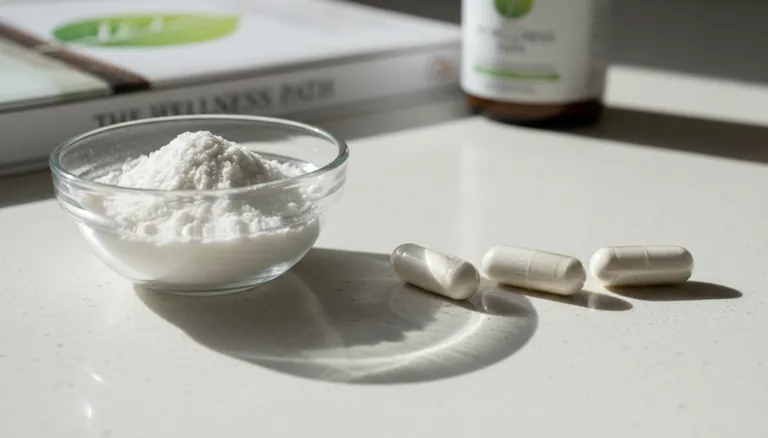
Modified citrus pectin powder is the most common form. It offers flexible dosing and is often cheaper than capsules. The powder dissolves quickly and absorbs faster since it’s already broken down. [16] probiotic supplements for gut balance and digestive health
Some people find the texture gritty or dislike the mild citrus taste. MCP capsules solve these issues by offering convenience and eliminating taste concerns. They’re great for busy schedules and travel.
The downside is that most capsules contain only 500-800mg per unit. To reach therapeutic doses of 5-15 grams daily, you’d need to take 7-20+ capsules. This makes capsules less practical and more expensive for higher doses.
| Feature | Powder Form | Capsule Form |
|---|---|---|
| Cost Efficiency | More economical per gram | Higher cost per serving |
| Dosing Flexibility | Easy to adjust exact amounts | Fixed doses per capsule |
| Convenience | Requires mixing preparation | Quick and portable |
| Absorption Speed | Faster (already dissolved) | Slightly slower (must dissolve first) |
| Best For | High therapeutic doses (5-15g) | Maintenance doses (3-5g) |
Mixing Instructions and Consumption Tips
Mix modified citrus pectin powder with about 8 ounces of room temperature or cool water per 5 grams. Stir or shake vigorously until fully dissolved. A shaker bottle or blender bottle works best for achieving smooth consistency.
Drink the mixture promptly after preparation. Some prefer using diluted fruit juice for taste, but plain water is recommended. Start with less liquid for a concentrated mixture that’s quicker to consume.
After drinking, rinse your glass with additional water to capture any residue. This ensures you get the full dose you measured out.
Taking MCP with or Without Food
Taking pectin supplement works best on an empty stomach. Aim for at least one hour before meals or two hours after eating. This timing enhances absorption into your bloodstream.
Food in your digestive tract, like proteins and fats, may interfere with absorption. The MCP might bind with food components instead of being absorbed effectively.
If you experience nausea or stomach upset on an empty stomach, taking it with a small amount of food is acceptable. While absorption may decrease slightly, consistency matters more than perfect timing. Choose one method and stick with it to better assess how to take MCP effectively for your needs.
13. Potential Side Effects and How to Manage Them
Most people do well with modified citrus pectin. But knowing about possible side effects helps you use it safely. Serious side effects are rare. Knowing what might happen helps you handle it if it does. [14]
MCP is a soluble fiber, so most side effects are in the digestive system. These are usually mild and short-lived as your body gets used to it.
Common Digestive Side Effects
The most common pectin digestive issues are loose stools or diarrhea, often when starting. Some feel abdominal cramps or discomfort. Others notice more bloating or gas.
These happen because MCP pulls water into your intestines and isn’t fully absorbed. This makes a natural laxative effect, more at higher doses. People with sensitive stomachs might feel these effects more.
The strength of these symptoms depends on the dose. More MCP means stronger digestive effects. Most people see these effects lessen in a few days to a week as they adjust.
Rare Adverse Reactions
Severe MCP adverse reactions are rare in medical studies. But, allergic reactions can happen, mainly in those with citrus allergies. Symptoms include skin rash, itching, swelling, or, in severe cases, trouble breathing.
If you have an allergic reaction, stop MCP right away and get medical help. Some people report nausea or upset stomach, but this is rare.
Tips for Minimizing Side Effects
Start with a small dose, like 5 grams daily or less, and gradually increase over a week or two. This lets your digestive system adjust.
Drink lots of water all day. More fiber needs more water to work well and avoid discomfort. Try taking smaller doses at different times instead of one big dose.
Take MCP when mild digestive effects won’t bother you. Avoid taking it before big meetings or long trips. If problems last, cut your dose or stop and talk to your doctor.
Remember, digestive side effects are usually not harmful. With patience and the right dose, most people find a safe MCP safety level for their body.
14. Safety Considerations, Interactions, and Who Should Avoid MCP
Understanding the safety of modified citrus pectin (MCP) and its interactions with drugs is key. MCP is generally safe but not for everyone. Knowing the risks and interactions helps you use it wisely.
Potential Drug Interactions to Know
It’s important to watch out for MCP drug interactions, mainly if you’re on prescription meds. As a soluble fiber, MCP might lower the absorption of some drugs. This includes antibiotics, heart meds, and diabetes treatments.
Pectin can also block the body’s absorption of beta-carotene, a vitamin A precursor. It might affect other fat-soluble vitamins and drugs too. To avoid these interactions, take MCP at least 2-4 hours apart from your meds.
Cancer patients should be extra careful. MCP might interfere with some chemotherapy drugs. Always talk to your oncologist before taking MCP if you’re getting cancer treatment. [18]
Talk to your doctor before trying any new treatments. Stopping your cancer treatment for an unproven treatment could harm your health.
Who Should Not Take Modified Citrus Pectin
Some people should avoid MCP or use it only with a doctor’s watch. Those with citrus allergies should steer clear because MCP comes from citrus peels.
People with certain gut issues need to be careful. If you have bowel obstruction, severe constipation, or trouble swallowing, don’t take MCP without your doctor’s okay. Fiber supplements can make these problems worse.
Before surgery, stop taking MCP at least two weeks beforehand. This is to avoid any surgery complications.
Pregnancy, Breastfeeding, and Children
The safety of MCP during pregnancy is not well studied. Pregnant and breastfeeding women should avoid MCP unless a doctor says it’s okay.
For kids, there’s little research on safety or the right dose. MCP should only be given to children under a doctor’s close watch for health reasons. Without studies, it’s hard to know safe doses for kids.
Choosing a Quality Supplement: What to Look For
Finding a good MCP supplement means looking at several quality factors. Since the FDA doesn’t regulate supplements like drugs, it’s up to the maker and you to be careful.
Third-Party Testing and Certifications
It’s crucial to check if a pectin supplement has been tested by independent labs. Look for products tested by USP, NSF International, or ConsumerLab.com. These groups check if the supplement has what it says and is clean.
This testing is key for a detox product. Taking a supplement with heavy metals when trying to remove them is not what you want.
Reputable Brands and Label Claims
Quality labels should give clear info about the product. Look for these things:
- Clear molecular weight (usually under 30,000 daltons)
- It should be “modified” citrus pectin, not regular pectin
- Details on source and how it’s made
- Claims that are realistic and don’t promise too much
Be cautious of products with too-good-to-be-true claims or unclear info. The best MCP supplement will give you the facts without making false promises. Quality often means a higher price, but it’s worth it for your health.
15. Conclusion
This modified citrus pectin benefits overview shows a supplement with real potential. It helps in many health areas, like preventing cancer, removing heavy metals, and boosting heart health. Its unique ability to bind galectin-3 makes it stand out from regular pectin. [17] evidence-based health guidance at Porter Ranch Medical Center
But, it’s crucial to be realistic. Cancer Research UK says there’s not enough big study evidence for MCP to treat cancer. Most of the research is from lab tests and small trials. Switching to unproven alternatives can be harmful.
Always talk to your doctor before trying MCP. It’s generally safe, but might cause mild stomach issues. You should take 5-15 grams a day. Make sure to choose products that have been tested by third parties.
These final thoughts aim to empower you. You now know what MCP can and can’t do based on research. Whether to try MCP depends on your health. Always keep in touch with your healthcare team and watch how you react. Keep your expectations realistic as more studies come out.
Your health journey is better with informed decisions and professional advice.
Frequently Asked Questions
Can I just eat more citrus fruits instead of taking Modified Citrus Pectin supplements?▼
This allows MCP to reach all parts of your body. It might help with health issues like cancer or detoxing heavy metals. But regular pectin from food doesn’t have these benefits.
How long does it take to see results from taking Modified Citrus Pectin?▼
Seeing results from MCP can take a while. It depends on why you’re taking it. Some people notice digestive changes right away. But for health issues like cancer, it might take months. It’s best to try MCP for 8-12 weeks before judging its effects. Use tests to measure its impact, not just how you feel.
Is Modified Citrus Pectin safe to take alongside chemotherapy or other cancer treatments?▼
Always ask your oncologist before taking MCP with cancer treatments. While MCP seems safe, it might affect some chemotherapy drugs. It’s best to avoid any possible interactions. Take MCP only after your doctor says it’s okay. They can help you avoid any problems with your treatments.
What’s the difference between brands of Modified Citrus Pectin, and does it matter which one I choose?▼
Quality and formulation vary between brands. It’s important to choose a reputable brand. Look for third-party testing to ensure quality. PectaSol-C is well-studied, but other brands are also good. Don’t choose based on price alone. Cheap products might not be as good.
Can Modified Citrus Pectin cause constipation or diarrhea?▼
MCP might cause loose stools or diarrhea, but not constipation. It’s a soluble fiber that can have a laxative effect. Start with a low dose to adjust. Drink plenty of water to help with digestion. If diarrhea persists, reduce your dose or stop taking it.
How much does Modified Citrus Pectin typically cost, and is it covered by insurance?▼
MCP is not covered by insurance. Prices vary by brand and form. Powder is usually cheaper than capsules. Expect to pay $30-60 monthly for a maintenance dose. Therapeutic doses cost more. Buying in bulk can save money. If cost is a concern, start with a lower dose.
Will Modified Citrus Pectin interfere with my prescription medications?▼
MCP might affect how your body absorbs some medications. It’s a fiber that can bind to certain drugs. Talk to your doctor or pharmacist about timing. They can help you avoid any interactions. This is crucial for cancer patients and those with chronic conditions.
Can I take Modified Citrus Pectin if I have diabetes?▼
MCP is generally safe for diabetics. It’s a fiber that might help control blood sugar. But, it could affect how you absorb diabetes medications. Start with a low dose and monitor your blood sugar. Talk to your doctor before starting MCP, as they may need to adjust your medications.
Is there a difference between taking Modified Citrus Pectin in the morning versus evening?▼
The best time to take MCP is on an empty stomach. This ensures better absorption. You can take it at any time that works for you. Just make sure to take it consistently. This helps your body adjust and get the most benefits.
How do I know if Modified Citrus Pectin is actually working for me?▼
It’s hard to know if MCP is working because its benefits are often invisible. You might not feel any changes. Work with a healthcare provider to track its effects. They can order tests to measure its impact. Give it at least 2-3 months to see results.
Can children take Modified Citrus Pectin?▼
There’s not enough research on MCP for kids. It’s not recommended for children without a doctor’s approval. Kids’ bodies process supplements differently. Children should stick to a balanced diet instead of supplements. This is safer and more effective for their health.
What should I do if I experience digestive upset from Modified Citrus Pectin?▼
Digestive side effects are common with MCP. Start with a low dose and gradually increase. This helps your body adjust. Drink plenty of water to prevent discomfort. If symptoms persist, reduce your dose or stop taking it.
Is Modified Citrus Pectin safe to take long-term, or should I cycle on and off?▼
MCP seems safe for long-term use, but we don’t have long-term data. Some people take it continuously, while others cycle it. Discuss your approach with your healthcare provider. They can help you decide based on your health goals.
Can I take Modified Citrus Pectin if I’m allergic to citrus fruits?▼
No, if you’re allergic to citrus fruits, don’t take MCP without a doctor’s approval. It’s made from citrus peels and could trigger an allergic reaction. There are other supplements for health goals that don’t involve citrus. Always talk to your doctor before trying new supplements.
Does Modified Citrus Pectin need to be refrigerated, and how should I store it?▼
MCP doesn’t need refrigeration. Store it in a cool, dry place away from sunlight and heat. Follow the manufacturer’s instructions. Keep the container sealed to prevent moisture. This is important for powder forms. Check the expiration date and look for any changes in color or smell.
Can I mix Modified Citrus Pectin powder with hot liquids like coffee or tea?▼
It’s best to mix MCP powder with cool water. High temperatures might damage it. It dissolves better in cooler liquids. Take MCP on an empty stomach for best absorption. If you prefer a beverage, use room temperature fruit juice. Water is still the best choice.
Will Modified Citrus Pectin show up on any medical tests or drug screenings?▼
MCP shouldn’t interfere with standard tests or screenings. It’s a natural fiber from fruit peels. But, it might affect certain blood tests. Inform your doctor if you’re taking MCP and have blood work done. This is important for tests like galectin-3 levels or heavy metals.
Is Modified Citrus Pectin vegan, gluten-free, and suitable for people with food sensitivities?▼
Pure MCP is vegan and gluten-free. It’s made from citrus peels. But, check the label for added ingredients. People with food sensitivities should be cautious. MCP is generally safe, but some might react to it. Always talk to your doctor before trying new supplements.
Can I take Modified Citrus Pectin if I have kidney disease?▼
If you have kidney disease, talk to your doctor before taking MCP. It might be safe, but we don’t have enough data. People with kidney issues need to be careful with what they eat. MCP might affect your medications or kidney function. Always consult your doctor.
Are there any natural food sources that provide similar benefits to Modified Citrus Pectin supplements?▼
No food source offers the same benefits as MCP. Regular pectin from food is too big to be absorbed by your body. Eating a balanced diet is still important. It provides many health benefits. But, MCP offers unique benefits that food can’t match.
Related Reading
Sources
- Azémar MD et al. (2007) — Modified citrus pectin as a chemosensitizer
- Guess BW et al. (2003) — MCP slows PSA velocity in prostate cancer
- Yan J et al. (2010) — MCP anti-metastatic activity via galectin-3 inhibition
- Eliaz I & Raz A. (2019) — Galectin-3 as a therapeutic target
- Comprehensive Report: Modified Citrus Pectin (MCP) — Remedy’s Nutrition
- Nangia-Makker P et al. (2002) — MCP inhibits galectin-3-mediated cancer progression
- Eliaz I et al. (2006) — Modified citrus pectin for urinary excretion of heavy metals
- Zhao ZY et al. (2008) — MCP reduces blood lead levels in children
- Bhatt DL et al. (2019) — Galectin-3 and cardiovascular disease
- Leclere L et al. (2013) — Pectin oligosaccharides as anti-cancer agents
- Ramachandran C et al. (2011) — MCP and immune enhancement
- Hayashi A et al. (2007) — MCP anti-inflammatory properties
- Kolatsi-Joannou M et al. (2019) — Galectin-3 in kidney fibrosis and injury
- Ramos MKVSC et al. (2020) — Modified pectin and macrophage activation
- Glinsky VV & Raz A. (2009) — MCP as anti-metastatic agent
- Liu HY et al. (2012) — Pectin and the gut microbiome
- Eliaz I et al. (2010) — MCP excretion of heavy metals: pilot study
- Delphi L & Sepehri H. (2016) — MCP cytotoxic effects in colorectal cancer