
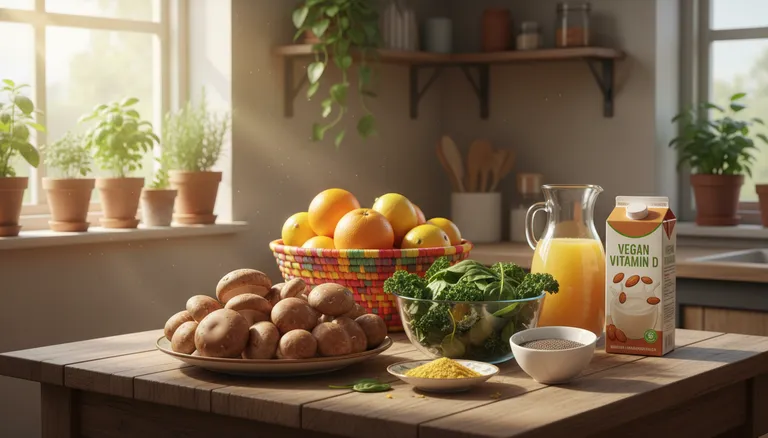
Maintaining a plant-based lifestyle is a powerful choice for personal and planetary health. Yet, a common concern is getting enough essential nutrients. A 2011 study found that 41.6% of Americans may be deficient in this crucial nutrient. This highlights a widespread public health concern that everyone should be aware of.
For those avoiding animal products, the challenge can feel greater. Many common dietary sources are animal-based. This leaves many people wondering how to fill the gap without compromising their values.
This guide is here to help. We provide clear, reliable information on plant-based strategies. You will learn about different foods and other effective sources. Our goal is to help you meet your needs confidently.
By understanding your options, you can support your wellness every single day. You can thrive on a plant-based diet with the right knowledge and tools.
Quick Answer
Vegans can get enough vitamin D through three strategies: (1) UV-exposed mushrooms (up to 450 IU per half-cup — the only significant plant food source), (2) fortified plant milks, OJ, and cereals (100–150 IU per serving), and (3) a vegan vitamin D3 supplement derived from lichen (not lanolin). Aim for 1,000–2,000 IU daily via supplements, especially in winter. Regular 25(OH)D blood testing is recommended for all vegans.
Key Takeaways
- A significant portion of the population may not get enough of this essential nutrient.
- Plant-based diets require special attention to certain nutritional needs.
- Several effective, non-animal sources and strategies are available.
- Informed choices are key to maintaining optimal health on a vegan lifestyle.
- This guide provides practical steps to help you meet your daily requirements.
- You can confidently achieve your nutritional goals without animal products.
Understanding the Importance of Vitamin D in Health
Often called the ‘sunshine nutrient,’ this crucial compound plays a far bigger role than many realize. It is a cornerstone for several bodily systems, directly influencing your long-term wellness.
Its primary role is to help your body absorb calcium and phosphorus. These minerals are the building blocks for strong, dense bones. Without enough of this nutrient, your skeleton can become weak and brittle over time.
Role in Bone Health and Calcium Absorption
Medical studies confirm that people with low levels face a higher risk of fractures and osteoporosis. Maintaining adequate intake is non-negotiable for skeletal integrity throughout life.[1]
Vitamin D’s Impact on Immune Function
This nutrient is also a powerful regulator of your immune system. It helps your body mount defenses against infections. Research from 2011 shows a clear link between deficiency and increased autoimmune problems.
Deficiency is linked to a higher risk of developing infections and autoimmune issues.
Supporting your immune defenses is just as vital as caring for your bones. Prioritizing this nutrient is a smart step for complete health.[8]
The Challenges of Meeting Vitamin D Needs on a Vegan Diet
A vegan diet eliminates many common food sources. This creates a unique set of challenges for obtaining a vital nutrient primarily found in animal products.
Without careful planning, your body may struggle to maintain the levels required for optimal function.

Common Causes of Vitamin D Deficiency
Many people are at a greater risk if they don’t get regular sun exposure. Traditional dietary sources like fatty fish and eggs are off the menu.
This makes a plant-based diet a potential factor in nutrient deficiency. For those questioning whether it is safe to go vegan without taking any supplements, the answer is nuanced — supplementation is strongly recommended. Clinical data shows certain groups face a higher risk.[2]
African American and Hispanic populations are most affected. Their skin melanin reduces sunlight absorption.[7]
| Factor | Description | Affected Groups |
|---|---|---|
| Dietary Restrictions | Elimination of animal-based sources like fish, eggs, and dairy. | Vegans, strict vegetarians |
| Limited Sun Exposure | Indoor lifestyles, use of sunscreen, living in northern latitudes. | Office workers, northern residents |
| Skin Melanin Content | Higher melanin levels naturally filter more UVB rays. | African American, Hispanic populations |
Barriers in Plant-Based Diets and Lifestyle Factors
The body needs specific precursors to synthesize this nutrient. A restrictive eating plan may limit these building blocks.
Modern lifestyles often keep us indoors. This reduces our natural ability to produce the compound from sunlight.
Together, these barriers require proactive strategies. Awareness is the first step to overcoming them.
Effective Strategies for Vitamin D for Vegans
Two powerful methods stand out for ensuring your body gets what it needs: sunlight and supplements. By focusing on these areas, you can build a reliable routine that supports your health every day.

Optimizing Sun Exposure Safely
Spending time outdoors is a natural way to boost your levels. Your skin produces this crucial nutrient when it absorbs UVB rays.
You must balance this exposure with skin safety. Aim for short periods, like 10-15 minutes, a few times a week. Understanding how much sun exposure you need for vitamin D based on your skin type helps you tailor your routine.
Always avoid sunburn. This smart approach lets you harness sunlight without risk.
The Role of Daily Supplementation
Many experts recommend a daily supplement to guarantee consistent intake. This is especially helpful during winter or if you live indoors.
Choose a high-quality vitamin supplement certified as vegan-friendly. Look for products derived from lichen or algae.
The National Institutes of Health states that an average daily intake of 400 to 800 IU is sufficient for 97 percent of people.[1] For the recommended vitamin D dosage by age and health goal, including vegans, speak with your healthcare provider. This range provides a solid target for most individuals.[6]
Combining sensible sun time with a reliable supplement is a winning plan. It helps you manage your nutritional status confidently all year long.
Plant-Based Sources and Fortified Foods for Vitamin D
Your grocery aisle holds powerful allies for meeting essential nutrient needs on a plant-based diet. Several items can help boost your levels effectively.
Fortified Soy, Almond, and Rice Milks
Many plant-based beverages now include added nutrients. Soy, almond, and rice varieties often have this enhancement.
Always check product labels since the nutrient content varies by brand. This ensures you get a meaningful amount from your choice.
Mushrooms Exposed to Ultraviolet Light
Certain mushrooms treated with UV light during growth can provide this compound. A 100-gram serving may offer around 450 IU.
This makes them a unique natural option among plant-based sources.
| Food Item | Type | Typical Content | Notes |
|---|---|---|---|
| Fortified Soy Milk | Plant Beverage | 100-120 IU per cup | Check label for exact amount |
| UV-Exposed Mushrooms | Whole Food | ~450 IU per 100g | Look for specific labeling |
| Fortified Cereals | Processed Food | 40-80 IU per serving | Varies widely by brand |
| Fortified Almond Milk | Plant Beverage | 100-150 IU per cup | Common fortified vitamin source |
These foods provide convenient ways to increase your daily intake. Regular consumption supports overall wellness. For a complete guide to vitamin D food sources and sun exposure, see our detailed breakdown.[4][9]
Harnessing Sunlight for Natural Vitamin D Production
Your skin is a sophisticated factory, capable of producing a vital nutrient directly from sunlight. This process offers a powerful, natural way to support your wellness.

It’s a remarkable ability we all share. Understanding how it works lets you use this resource wisely.
How UVB Rays Convert Cholesterol into Vitamin D
When sunlight reaches your skin, specific UVB rays trigger a chemical change. They interact with a compound called 7-dehydrocholesterol, which is naturally present.
This interaction is the first step. Your body then converts this precursor into the active form of the nutrient.
Research provides a helpful guideline. It indicates that 10 to 30 minutes of midday sun exposure, about three times a week, is often sufficient for many people.
This sunshine role is crucial. Yet, balance is key to skin health.
Always protect yourself from excessive exposure to prevent damage. Short, regular sessions are the safest way to harness this natural source for your overall physiological health.[6][7]
Understanding and Utilizing Vegan Vitamin D Supplements
Innovations in nutrition science have unlocked new, ethical sources for essential compounds. For those avoiding animal products, finding the right dietary aid is crucial.
High-quality options now exist that align perfectly with a plant-based lifestyle. This makes meeting your nutritional targets simpler and more reliable.
Selecting Supplements from Lichen and Algae
Historically, most D3 products came from animal origins like sheep wool or fish oil. These sources are not suitable for everyone.
Modern research has identified lichen and specific algae as excellent alternatives. Brands like Country Life Vitamins now offer D3 derived directly from lichen.[5]

This provides a sustainable and clean plant-based version of the nutrient. When shopping, look for products that specify lichen as the source.
Dosage and Absorption Tips
Taking your supplement with a meal containing healthy fats can boost absorption. This helps your body use the nutrient more effectively.
Always consult a healthcare professional to determine your personal needs. They can help you monitor your levels over time to ensure optimal wellness.
Consistency is key for maintaining healthy levels. A daily routine with a trusted vitamin supplement supports long-term health.[3] See our full guide to vitamin D benefits, dosage, and deficiency for comprehensive context.
Integrating Vitamin D into a Balanced Vegan Diet
Think of your diet as a team, where certain nutrients work best when paired together for maximum benefit. Strategic integration is the key to unlocking their full potential for your health.
Combining Nutrients for Enhanced Absorption
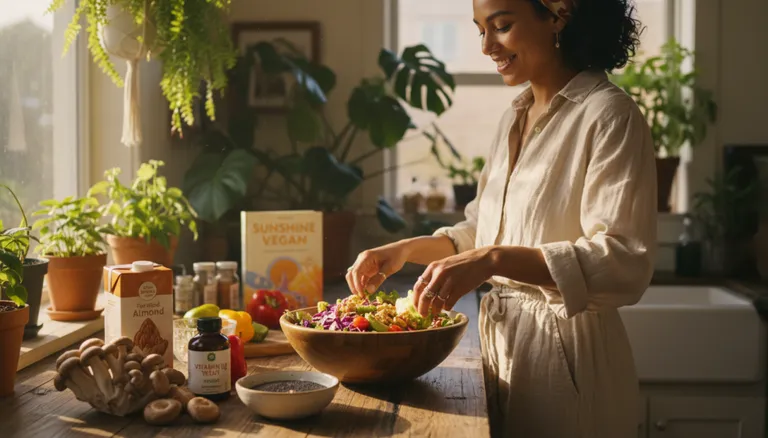
This crucial sunshine nutrient is fat-soluble. Your body’s absorption improves significantly when you consume it with dietary fats.
Research supports this synergy. One study found that taking a D-3 supplement with a high-fat meal boosted blood levels by 32 percent after 12 hours.
Pair your fortified sources or supplement with avocado, nuts, or seeds. This simple habit ensures your system gets the full amount.
Meal Planning for Optimal Vitamin D Intake
Consistency is everything. Good meal planning helps maintain stable nutrient levels all year long. This is especially important for getting enough vitamin D in winter when sunlight is limited.
Incorporate fortified plant milks or cereals into daily meals. Combine them with those healthy fats we mentioned for a powerful one-two punch.
This approach maximizes the efficiency of your daily intake. It turns your diet into a reliable support system for long-term wellness.[11][10]
Conclusion
Your commitment to a compassionate lifestyle doesn’t have to come at the cost of your skeletal or immune health.
You now have a clear, effective system. Sensible sunlight exposure, fortified foods, and lichen-based supplements form a reliable foundation. Our evidence-based nutrition guides cover all essential vitamins and minerals in depth.
Consistency with your daily intake is what truly supports your body. It helps maintain strong bones and a robust immune system over time.
If you’re unsure about your levels, a simple conversation with your doctor can provide personalized guidance. They can help tailor a plan for your life.
With this knowledge, you are fully equipped. You can confidently support your wellness and thrive on your plant-based diet every single day.[12]
Frequently Asked Questions
What is the best vegan source of vitamin D?▼
UV-exposed mushrooms are the only significant non-fortified plant source of vitamin D — a half-cup can provide up to 450 IU when treated with ultraviolet light. Beyond mushrooms, fortified plant-based milks (soy, oat, almond), fortified orange juice, and breakfast cereals offer 100–150 IU per serving. For vegans, lichen-derived vitamin D3 supplements are the most reliable way to maintain optimal levels.
Is vitamin D2 or D3 better for vegans?▼
Vitamin D3 (cholecalciferol) is more effective at raising and maintaining serum 25(OH)D levels than D2 (ergocalciferol). Traditionally, D3 was derived from lanolin (sheep wool), making it non-vegan. However, vegan D3 supplements derived from lichen (a plant-based source) are now widely available and equally effective. Look for labels specifying “vegan D3” or “lichen-derived D3.”
How much vitamin D do vegans need daily?▼
The NIH recommends 600 IU daily for adults, 800 IU for those over 70. However, since dietary sources are limited on a vegan diet and sun exposure varies, many nutrition experts recommend 1,000–2,000 IU daily via supplementation for vegans. Regular blood testing is important — target a serum 25(OH)D level of 30–50 ng/mL.
Can vegans get vitamin D from sunlight?▼
Yes — sunlight is equally available to everyone regardless of diet. Exposing bare skin (arms and legs) to midday sun for 10–30 minutes several times per week can generate significant vitamin D. However, this is limited by latitude, season, skin tone, and cloud cover. In northern climates, winter sun is insufficient for D synthesis at any latitude above 35°N.
Are most vegans deficient in vitamin D?▼
Research suggests vegans have higher rates of vitamin D deficiency than omnivores, primarily because they avoid the most concentrated animal-based sources (fatty fish, egg yolks, liver). Studies show vegan serum 25(OH)D levels are typically 10–20% lower than non-vegans. Regular blood testing and consistent supplementation significantly reduce this risk.
Related Reading
Sources
- Vitamin D — Health Professional Fact Sheet (NIH ODS)
- Vitamin D status in vegans living in a northern European city — PubMed
- Plant-based diets and vitamin D — PubMed
- UV-B-irradiated mushrooms as a source of vitamin D2 — PubMed
- Comparison of vitamin D2 and vitamin D3 supplementation — PubMed
- Sunlight and vitamin D: a global perspective for health (Holick) — PubMed
- Skin pigmentation and vitamin D synthesis — PubMed
- Vitamin D deficiency symptoms and health outcomes — PubMed
- Vitamin D — Consumer Fact Sheet (NIH ODS)
- Vitamin D — Mayo Clinic
- Vitamin D — Endocrine Society
- Is It Safe to Go Vegan Without Taking Any Supplements? — Remedy’s Nutrition
- Prevalence of vitamin D deficiency worldwide — PubMed