
Noticing more strands in your brush or a thinner ponytail can be worrying. Many people ask if their thinning hair is connected to their nutrition.
It’s a common question. Research shows that shedding is a condition affecting millions. Finding the root cause is the first step toward an effective solution.
Approximately 73% of all hair loss is nonscarring. This means regrowth is often possible with the right treatment approach.
Your body’s nutrient levels play a crucial role in overall health, including the condition of your skin and follicles. Understanding this connection can help you determine if your concerns are diet-related.
This guide explores the various factors influencing your scalp’s health. We’ll look at specific conditions like androgenetic alopecia and alopecia areata.
We also examine what current studies say about low serum concentrations and their impact on growth cycles. Our goal is to provide clear insights from the latest research.
Quick Answer
Yes — research shows that vitamin D deficiency is linked to hair loss, particularly alopecia areata and telogen effluvium. Vitamin D receptors in hair follicles play a direct role in the hair growth cycle. However, deficiency is one of many causes; get a 25(OH)D blood test to confirm before supplementing. Restoring levels to 30–50 ng/mL through diet, sun exposure, or D3 supplements (1,000–4,000 IU daily) may support hair regrowth in deficient individuals.
Key Takeaways
- Most cases of thinning are nonscarring, offering good potential for regrowth with proper care.
- Pinpointing the exact cause is essential for choosing an effective treatment plan.
- The levels of certain nutrients in your body can significantly influence follicle function and health.
- Medical professionals often evaluate both genetic history and nutritional markers during an assessment.
- Conditions like androgenetic alopecia and alopecia areata have distinct patterns and causes.
- Recent scientific reviews continue to investigate the link between blood concentrations and healthy growth.
- This article will help you understand if your shedding might be related to dietary factors.
Understanding the Connection: Vitamin D Deficiency and Hair Loss
It’s fascinating to learn that a single prohormone can be so influential in the lifecycle of your follicles. This nutrient is essential for building the very cells that become new ones. For in-depth context, our science-backed guides to vitamins and supplements cover the evidence behind key nutrients affecting your health.
How Vitamin D Influences Hair Follicles
This substance acts as a prohormone, directly affecting the health of the tiny pores in your scalp. Its primary role is to ensure these structures function correctly during their active phase.
Research confirms it interacts with follicles to support proper development. Without enough, the creation of new ones can stall.
Exploring the Link Between Deficiency and Thinning Hair
When your body’s levels are too low, it can disrupt the natural growth cycle. This often leads to increased shedding and a visibly thinner appearance.
Studies frequently find lower blood concentrations in individuals with conditions like alopecia areata. This highlights a clear correlation between nutrient status and scalp health.[2]
Maintaining adequate amounts is a critical component when addressing complex causes. If you notice changes, consider how your overall wellness and diet play a part.
Consulting a healthcare professional is the best step. They can help determine if your situation is linked to a specific nutritional shortfall.
How Vitamin D Affects Overall Hair Growth
The thickness and strength of your strands depend heavily on a specific phase within their lifecycle. This natural process relies on a balance of nutrients to function smoothly.
Your body uses these compounds to regulate the complex biological clock of your scalp. Read our complete guide to vitamin D benefits, dosage, and deficiency for a comprehensive overview of this essential nutrient.
The Role of Vitamin D in Hair Follicle Cycling
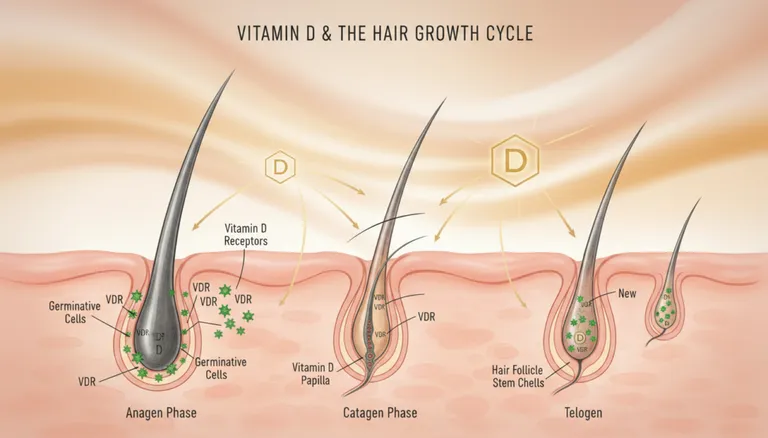
This nutrient plays a key part in signaling. It tells your follicles when to start growing and when to rest.
Scientific reviews show it is integral for managing the transition between these stages. Proper levels help maintain a healthy rhythm.[4]
Impact on the Anagen (Growth) Phase
The anagen phase is the period of active growth that determines your mane’s thickness. During this time, the right signals promote the production of robust strands.
If your body’s levels are too low, this critical phase can end too soon. Many follicles may then shift prematurely into a resting state.[3]
This disruption is a primary reason for excessive shedding. Supporting the anagen stage ensures your strands remain in growth mode for the appropriate duration.
Dermatologists emphasize that a balanced intake helps preserve follicle integrity. It can prevent an early exit from the productive cycle.
Recognizing Signs and Symptoms of Low Vitamin D
Your body often sends subtle signals when something is off. Paying attention can reveal important clues about your well-being.
Many symptoms are easy to dismiss at first. They can affect your energy, mood, and even the appearance of your scalp.
Visible Indicators on Hair and Scalp
Noticeable changes in your mane can be a key sign. You might see more strands on your pillow or in the shower drain.
The overall volume may decrease, making your ponytail feel thinner. Your scalp might also feel different or look less healthy.
Other Health-Related Warning Signals
Persistent tiredness is a common complaint. Muscle weakness and general aches, especially in your bones, are strong indicators.[5]
Mood changes and frequent colds can also point to an imbalance. Slow healing of cuts or wounds is another red flag.
Monitoring these signals is crucial. A simple blood test ordered by your doctor can check your levels accurately. Consult our natural vitamin D food sources and sun exposure guide for practical ways to improve your intake.
This information helps create the right plan for your care. Early action can lead to better results for your overall health.
Exploring Broader Causes of Hair Loss Beyond Deficiency
Your family history and daily stress levels can be just as influential as your diet for your scalp’s health. While nutrition matters, many other factors contribute to changes in your appearance.
Genetics, Hormonal Fluctuations, and Stress
The most common type is androgenetic alopecia. This inherited condition causes gradual thinning over time, often following a distinct pattern.
Major life events can also trigger a condition called telogen effluvium. This occurs months after a big stressor like surgery or illness.
Autoimmune issues, such as alopecia areata, lead to sudden, round patches. These require specialized medical care.
Shifts in your body’s chemistry play a big role too. Pregnancy or thyroid disorders often contribute, regardless of other nutrient levels.
It’s a complex issue. Diet alone may not solve every underlying medical cause.
If you notice changes, a doctor can help. They distinguish between genetic patterns and other factors through testing.
Addressing the true root cause is key to finding the right treatment plan for you.
Nutritional Essentials for Healthy, Strong Hair
Building a strong foundation for your scalp starts with the nutrients you consume every day. What you eat provides the raw materials for robust strands and a healthy growth environment. Learning about natural hair treatment tips and nutrients that support hair growth can help you build a comprehensive approach to scalp care.

Key Vitamins and Minerals Needed
Several compounds play a starring role. Iron carries oxygen to your follicles, and vitamin C boosts its absorption from foods.
Zinc and selenium support tissue repair and immune function. Your body also needs a spectrum of B vitamins like biotin, B12, and folate for energy and cell creation. Understanding biotin’s role in hair, skin, and nail health can help you identify other nutritional gaps alongside vitamin D.[9]
A note of caution: while biotin is popular for mane care, high doses can skew thyroid lab results. Always discuss any supplement with your doctor first.[8]
The Balance Between Diet and Supplementation
For most people, a varied, balanced plate is the best source of these essentials. Think leafy greens, nuts, lean proteins, and colorful fruits.
Turning to pills should not be your first step. Excessive intake of isolated nutrients, like vitamin A or selenium, can be toxic and might worsen shedding.
If a blood test confirms a shortfall, targeted supplementation under medical guidance can help restore your vitality. This personalized approach ensures you address your specific needs safely.
Nourishing your body with whole foods is a powerful, long-term strategy for vibrant locks and overall well-being.
Dietary Sources and Supplementation Strategies
Getting the right nutrients from your plate is a powerful way to support your body’s natural processes. A thoughtful approach to what you eat and drink lays a strong foundation for your overall wellness.
Natural Food Sources Rich in Vitamin D
Several everyday foods are excellent providers of this essential nutrient. Fatty fish like salmon and mackerel top the list. Egg yolks and fortified dairy or plant-based milks also contribute significantly.[1]
Including these items in your meals a few times each week can help maintain optimal levels. For plant-based options, certain mushrooms exposed to ultraviolet light are a good source.[10]
| Food Item | Serving Size | Approximate Vitamin D (IU) | Notes |
|---|---|---|---|
| Wild Salmon | 3.5 oz cooked | 600-1000 | One of the richest natural sources. |
| Egg Yolk | 1 large egg | 40-50 | Choose whole eggs for the benefit. |
| Fortified Milk | 1 cup | 115-130 | Check the label for added nutrients. |
| Fortified Orange Juice | 1 cup | 100 | A good non-dairy alternative. |
| UV-Exposed Mushrooms | 1/2 cup | 400 | Look for specific labeling. |
When and How to Use Supplements Effectively
If dietary sources are insufficient, a doctor might recommend a supplement. This is common for people with limited sun exposure or specific dietary restrictions.
Always follow your healthcare provider’s guidance on dosage and type. Taking too much can be counterproductive and even harmful. Refer to our vitamin D dosage guide for correcting deficiency for evidence-based recommendations on safe intake levels.
Regular blood tests are a smart way to monitor your progress. This ensures your levels stay within a safe and beneficial range.
Remember, pills are meant to fill gaps, not replace a varied diet. Combining sensible supplementation with nutritious foods is the most effective long-term strategy.
Optimizing Vitamin D Levels with Lifestyle Adjustments
Your lifestyle choices, from sun habits to exercise, directly influence how well your body absorbs and uses essential compounds. Small, consistent actions can create an environment where your systems function at their best.
This approach supports overall wellness and helps maintain the internal balance needed for vitality. It’s about working with your body’s natural rhythms.
Tips for Sensible Sun Exposure
Spending 10 to 15 minutes outdoors with your arms and legs exposed can boost natural production in your skin. This is a simple, effective way to support your levels.
Remember to protect your skin from overexposure to avoid damage. People with darker complexions may need a bit more time in the sun to achieve similar results.
During colder months, sunlight is often weaker. This makes dietary sources and thoughtful supplementation more crucial for your health.
Balancing Vitamin Intake Through Diet and Exercise
Maintaining a healthy body weight through regular exercise helps your body utilize nutrients more effectively. Physical activity contributes to a thriving environment for cellular growth.
Stress management, like yoga, supports a balanced metabolism. This holistic care complements a nutritious diet.
Consistency in these habits is key. Together, they form a powerful strategy for long-term well-being and resilience.
Accurate Diagnosis and Effective Treatment Options
A clear understanding of your body’s status is the cornerstone of any effective wellness plan. Getting the right answers requires a professional medical evaluation.
This process ensures you receive care tailored to your specific needs.
Understanding the Serum 25-Hydroxyvitamin D Test
The standard method for checking your status is a serum 25-hydroxyvitamin D test. This blood work measures both D2 and D3 forms circulating in your system.
It provides a comprehensive overview. Doctors consider an optimal range to be between 30 and 60 ng/ml for most people.[6]
Your physician will interpret these results alongside your personal health history. They look at specific risk factors for changes in your scalp.[7]
Steps for Consulting Healthcare Professionals
Never attempt to self-diagnose a shortfall based on symptoms alone. Always consult a qualified doctor for an accurate assessment.
If a vitamin deficiency is confirmed, your doctor may recommend a personalized plan. This strategy often includes adjustments to your diet, sensible sun exposure, or targeted supplements. Explore vitamin B6 deficiency and its effects on hair and hormones to understand how related nutrient deficiencies may also be contributing.
Effective treatment addresses the underlying cause. This could be a nutritional imbalance or another condition like alopecia areata.
Regular consultations with a dermatologist help explore all contributing factors. Working with a professional allows you to safely restore your levels.
This supports the long-term health of your follicles and overall well-being.
Long-Term Strategies to Prevent Future Deficiencies
Staying one step ahead of potential nutrient gaps requires a consistent, long-term approach. Building sustainable habits protects your overall wellness and supports your body’s natural resilience.
This proactive mindset is your best defense. It helps you maintain balance through changing seasons and life stages.
Regular Monitoring and Routine Checkups
Scheduling periodic assessments with your doctor is crucial. They can track your blood markers and catch any dips early.[14]
Experts often suggest retesting your serum concentration once or twice yearly. This is especially wise after winter, when natural levels tend to be lower.
A simple table can guide your annual plan:
| Checkup Type | Recommended Frequency | Key Action | Notes |
|---|---|---|---|
| Annual Physical | Once per year | Comprehensive blood panel | Includes nutrient level screening. |
| Seasonal Check | Post-winter (Spring) | Targeted retest | Monitors seasonal fluctuations. |
| Supplement Review | Every 6 months | Dosage adjustment | With your healthcare provider. |
| Lifestyle Assessment | Ongoing | Evaluate diet & sun exposure | Ensure habits support your goals. |
Maintaining Healthy Vitamin D Levels Year-Round
Consistency in your daily routine is key. Combine sensible sun time with a nutrient-rich diet full of fatty fish and fortified foods.
If your doctor recommends it, a daily supplement can be a helpful preventive tool. This is common for individuals with a history of low levels.
Regular exercise and stress management also contribute to robust health. These habits create a strong foundation that makes deficiencies less likely to recur.
Being proactive with your care allows you to preserve your strength and vitality. It’s much simpler to prevent an issue than to treat one later.
Additional Research and Treatment Insights
Ongoing investigations shed light on the complex relationship between our body’s chemistry and follicle function. Scientists are making significant progress in understanding specific conditions.
Latest Studies on Alopecia Areata and Androgenetic Alopecia
A 2017 analysis highlighted a strong connection between low serum concentrations and the autoimmune condition alopecia areata. Furthermore, a 2021 review concluded that insufficient levels may contribute to the development of androgenetic alopecia in many individuals.[8]
Research continues to explore how this nutrient influences the generation of new follicles. Correcting a shortfall may support thicker, more robust growth.[2]
Some findings suggest that topical application could be a suitable intervention for certain cases of pattern hair loss. It’s crucial to note that current evidence isn’t sufficient to confirm it can fully reverse shedding on its own.
Doctors often combine nutritional support with other established treatments for comprehensive care.
Recent investigations provide valuable insights:
| Study Focus | Key Finding | Potential Application |
|---|---|---|
| Alopecia Areata (2017) | Strong link to low serum levels observed. | Supports screening for nutrient status in autoimmune cases. |
| Androgenetic Alopecia (2021 Review) | Low levels may be a contributing factor. | Indicates a role for assessment in pattern hair loss. |
| Topical Treatment (2021 Review) | Suggested as a possible therapy for some. | Opens avenues for new topical formulations. |
Staying updated on the latest science helps you and your doctor make informed decisions. Future work will likely clarify the exact mechanisms involved.
Conclusion
Taking control of your health means looking at the complete picture of factors that influence your body. Proper vitamin levels support robust growth cycles and follicle function.[11]
However, a deficiency is just one part of the equation. Genetics, stress patterns, and overall wellness all play important roles in your appearance.[13]
Focus on a balanced diet rich in natural sources and get sensible sun exposure. Regular medical assessments help track your body’s status. Always consult a healthcare provider before beginning any new supplements.
With consistent care and professional guidance, you can nurture your well-being effectively. Progress requires time and patience, but a proactive strategy promotes resilience.
The right approach supports strong, healthy hair and enhances your overall quality of life.
Frequently Asked Questions
Can vitamin D deficiency really cause hair loss?▼
Research supports a link between low vitamin D and certain types of hair loss, especially alopecia areata (patchy hair loss) and telogen effluvium (diffuse shedding). Vitamin D receptors are present in hair follicles, and animal studies show that disrupting vitamin D receptor function leads to significant hair loss. However, the relationship is correlational in most human studies — deficiency may worsen shedding but is rarely the sole cause.
How does vitamin D affect hair follicles?▼
Vitamin D plays a role in regulating the hair follicle growth cycle, particularly in initiating the anagen (active growth) phase. Vitamin D receptors in follicle cells help signal when to grow and when to rest. When levels are chronically low, follicles may stay in the telogen (resting) phase longer, leading to increased shedding and reduced regrowth. Correcting deficiency can help restore normal cycling in affected individuals.
What vitamin D level is associated with hair loss?▼
Studies have found that people with alopecia areata tend to have significantly lower serum 25(OH)D levels — typically below 20 ng/mL (deficiency range). Some research suggests optimal hair follicle function may require levels of 40–60 ng/mL. A simple blood test ordered by your doctor can determine your current levels; target the 30–50 ng/mL range recommended by most health organizations.
Which nutrients besides vitamin D support hair health?▼
Key nutrients for hair health include: iron (deficiency is the most common cause of hair loss in women), biotin (B7), zinc, vitamin B12, folate (B9), vitamin A, omega-3 fatty acids, and protein. Addressing multiple nutritional gaps simultaneously is more effective than focusing on any single nutrient. A comprehensive blood panel can identify which deficiencies may be contributing to your hair loss.
How long does it take to see hair regrowth after correcting vitamin D deficiency?▼
Hair grows approximately half an inch per month. After correcting vitamin D deficiency, most people notice reduced shedding within 2–3 months and visible regrowth within 4–6 months. Results vary based on the severity of deficiency, the type of hair loss, and whether other contributing factors (hormones, stress, iron) are also addressed. Consistency with supplementation and a nutrient-rich diet is key.
Related Reading
Sources
- Vitamin D — Health Professional Fact Sheet. National Institutes of Health Office of Dietary Supplements.
- Vitamin D and Alopecia Areata: A Review of the Literature. Dermatology and Therapy, 2019.
- Vitamin D and Ultraviolet-B Radiation: The Scientific Basis for Sun Protection. Holick MF. Photochemical & Photobiological Sciences, 2010.
- Vitamin D Receptor in Hair Follicle Cycling and Its Role in Alopecia. Cianferotti L, et al. Expert Review of Endocrinology & Metabolism, 2014.
- Vitamin D Deficiency: Signs, Symptoms, and Clinical Implications. Pludowski P, et al. Nutrients, 2018.
- Diffuse Alopecia: Nutritional Factors and Telogen Effluvium. Malkud S. Journal of Clinical and Diagnostic Research, 2015.
- Serum Vitamin D3 Level in Patients with Female Pattern Hair Loss. About-Louz S, et al. International Journal of Trichology, 2016.
- The Role of Vitamins and Minerals in Hair Loss: A Review. Almohanna HM, et al. Dermatology and Therapy, 2019.
- Biotin in Metabolism and Its Role in Skin and Hair Conditions. Zempleni J, et al. Expert Review of Endocrinology & Metabolism, 2009.
- Vitamin D — Consumer Fact Sheet. National Institutes of Health Office of Dietary Supplements.
- Vitamin D: Evidence. Mayo Clinic.
- Natural Hair Treatment Tips and Nutrients That Support Hair Growth. Remedy’s Nutrition Blog.
- Do You Have Hair Loss or Hair Shedding? American Academy of Dermatology Association.
- Prevalence of Vitamin D Deficiency and Associated Risk Factors in the US Population. Forrest KYZ, Stuhldreher WL. Nutrition Research, 2011.