
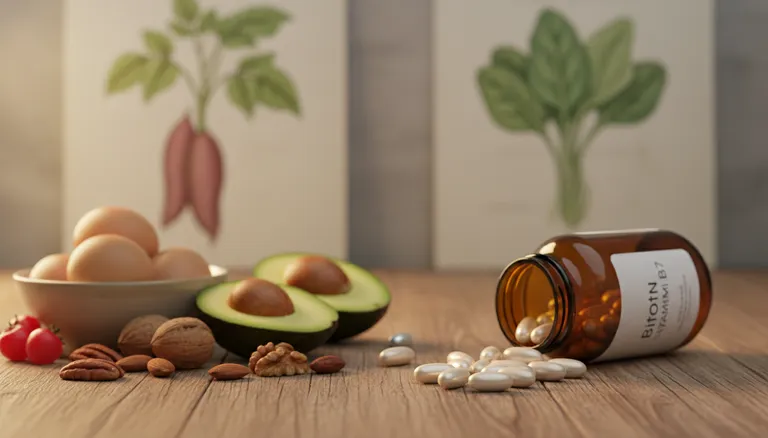
Have you ever wondered what gives your body the energy to power through the day? The answer often lies in the essential nutrients you consume. One such powerhouse is a water-soluble B vitamin crucial for countless metabolic processes.
This nutrient acts like a tiny key, unlocking energy from the food you eat. It helps every cell in your body convert proteins, fats, and carbohydrates into fuel. Without it, our basic physiological functions would struggle.
Maintaining adequate levels offers significant benefits for your overall health and long-term wellness. It supports strong hair, skin, and nails, but its role goes far deeper than cosmetic appeal.
This ultimate guide will walk you through everything you need to know. We cover how much you really need daily and the best food sources to find it. You’ll also learn to spot the signs of not getting enough and how to use supplements safely.
Quick Answer
Biotin (vitamin B7) is a water-soluble B vitamin that functions as a coenzyme for five critical carboxylase enzymes, enabling your cells to convert carbohydrates, fats, and proteins into usable energy. The adequate intake is 30 mcg/day for adults — easily met through eggs, beef liver, almonds, and salmon. True biotin deficiency is rare but causes hair thinning, brittle nails, and scaly skin rashes; consuming raw egg whites daily blocks absorption via avidin protein. High-dose supplements (≥5 mg/day) can produce false results on thyroid, hormone, and cardiac lab tests — stop supplementation at least 48 hours before any blood work.
Key Takeaways
- Biotin (vitamin B7) is a coenzyme for five carboxylase enzymes — essential for converting carbohydrates, fats, and proteins into cellular energy
- The adequate intake is 30 mcg/day for adults — easily met through eggs, beef liver, almonds, and salmon without supplementation for most people
- True biotin deficiency is rare but causes hair thinning, brittle nails, and scaly skin rashes — daily raw egg white consumption (avidin) is a known cause
- High-dose supplements (≥5 mg/day) can falsely skew thyroid, hormone, and cardiac lab tests — stop supplementation 48 hours before any blood work
- Approximately 50% of pregnant women experience mild biotin insufficiency due to accelerated metabolic breakdown — prenatal vitamins typically include adequate amounts
- For hair and nail health, supplementation primarily helps in documented deficiency states — robust evidence in healthy non-deficient adults is limited
Introduction to the Ultimate Guide on Biotin
When it comes to foundational nutrients that support your body from the inside out, few are as versatile as this essential B vitamin. Known scientifically as vitamin B7, it also carries the nickname vitamin H, which comes from the German words for hair and skin.
An Overview of Biotin and Its Importance
This vitamin acts as a critical helper for your metabolism. It enables your cells to process carbohydrates, fats, and proteins from your meals, turning them into the fuel you need for energy.
This fundamental process supports the health and function of every system in your body. Its role in maintaining strong hair, skin, and nails is why it’s famously linked to cosmetic wellness. For deeper insight into how nutrients power performance, see our guide on B vitamins and their role in daily energy metabolism.

What Readers Can Expect from This Guide
We provide clear information on how this nutrient works at a chemical level inside you. You’ll learn about its specific biological functions beyond common myths.
Our guide details practical ways to include it in your daily life. For broader guidance, visit Porter Ranch Medical Center — your evidence-based nutrition resource. through smart food choices and sensible supplementation. We break down the science into understandable parts.
The goal is to empower you with knowledge for making confident decisions about your personal nutrition and long-term wellness strategy.[1]
What is Biotin (Vitamin B7)? Key Facts and Chemical Properties
The story of this essential nutrient is a fascinating journey through early 20th-century science.
Its unique chemical identity, registered as CAS 58-85-5, forms the basis for its vital role in human health.
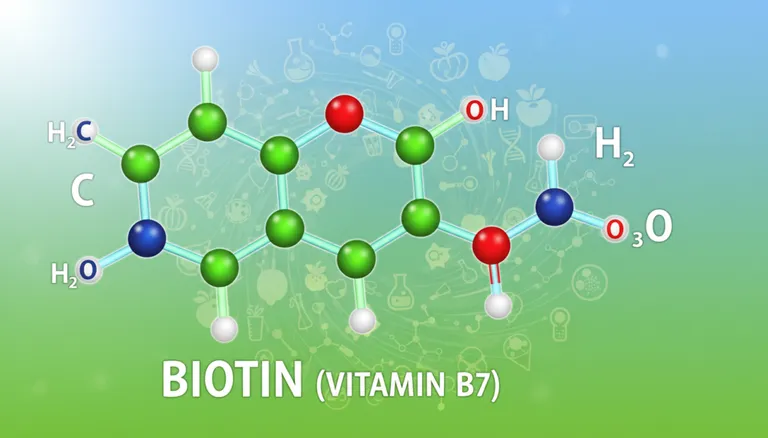
Chemical Structure and How It Works in the Body
This vitamin’s specific structure allows it to act as a coenzyme. It partners with five crucial carboxylase enzymes in our cells.
These enzymes need this helper to work properly. They move carbon dioxide units during metabolic reactions.
This process is key for turning fats, proteins, and carbs into usable energy.
Historical Background and Discovery
Early clues came from unexpected sources. In 1916, W.G. Bateman noted a strange toxicity in animals fed raw egg whites.
Years later, scientists connected the dots. A protein in egg whites binds to the vitamin, blocking its absorption.
“Identifying this growth factor was a milestone, revealing a hidden key to cellular metabolism.”
The timeline below highlights the major steps in its discovery:
| Researcher | Year | Key Contribution |
|---|---|---|
| W.G. Bateman | 1916 | First observed toxic effects of raw egg white consumption. |
| Fritz Kögl | 1936 | Isolated a critical yeast growth factor. |
| Paul Gyorgy | 1939 | Named it “Vitamin H” for its benefits to hair and skin. |
This historical work laid the foundation for our modern understanding of vitamin B7.[2][7]
Health Benefits of Biotin for Overall Wellbeing
Behind the scenes of your body’s energy factory, a key vitamin works tirelessly to keep everything running smoothly. Getting enough of this nutrient offers wide-ranging health advantages that go far beyond surface-level beauty.
Role in Metabolic Processes and Energy Production
This vitamin’s primary role is as a helper for crucial enzymes. It partners with them to process fats, proteins, and carbs from your meals.
This action turns food into usable fuel for every cell. It is vital for creating new fatty acids and for gluconeogenesis, which makes blood sugar.
It also helps break down specific amino acids. This supports your body’s overall cellular maintenance and function.[3]
Impact on Hair, Skin, and Nail Health
Strong, healthy hair, skin, and nails depend on solid structural proteins. Research shows adequate levels of this vitamin are necessary for building these tissues.
It supports the integrity of keratin, a key protein. This is why many people notice improvements in their appearance when their intake is sufficient.
These benefits are a direct result of supporting your foundational metabolic health. They highlight how interconnected your internal nutrients and external wellness truly are.
Recommended Dosage and Natural Food Sources of Biotin
Meeting your daily nutritional needs doesn’t have to be complicated when you know which foods pack the biggest punch. Getting the right amount of this essential vitamin supports your metabolism and overall wellness.[12]
Focusing on a balanced diet is the best strategy. Your body needs a steady supply since it doesn’t store water-soluble vitamins for long.
Daily Intake Guidelines for Adults and Special Populations
How much do you need each day? The National Academy of Medicine set clear guidelines back in 1998.
They established an Adequate Intake (AI) of 30 micrograms for most adults. This target helps maintain healthy levels for normal bodily functions.
Some people need more. Pregnant or breastfeeding individuals often require a higher daily intake. Their bodies have increased metabolic demands to support growth.

| Food | Serving Size | Approximate Biotin Content |
|---|---|---|
| Beef Liver | 100g (3.5 oz) | 31 mcg |
| Cooked Eggs | 1 large | 10 mcg |
| Almonds | 1/4 cup | 6 mcg |
| Salmon | 100g (3.5 oz) | 5 mcg |
Biotin-Rich Foods and Dietary Considerations
As shown, beef liver is an exceptionally rich source. A single serving can meet your entire daily requirement.
Other excellent choices include eggs, legumes like peanuts and soybeans, and nuts. Regularly including these items in your diet makes it easy to get enough.
Remember, whole foods provide a complex mix of nutrients. They work together better than isolated supplements for most people.[9]
Biotin Deficiency: Causes, Symptoms, and Diagnostic Testing
Thinning hair and brittle nails might be your body’s way of signaling a deeper nutritional imbalance. A biotin deficiency is rare, but understanding its signs and how it’s diagnosed is crucial for your health. Explore our guide to common nutritional deficiencies in modern diets for broader context.
Common Signs and Symptoms of a Deficiency
When the body lacks this key vitamin, it often sends visible signals. People may experience hair loss, a scaly red rash, or unusually fragile nails.
These external changes point to an internal metabolic slowdown. It’s the body’s call for more nutritional support.
How Deficiency is Diagnosed and Managed
Doctors have specific tests to confirm a shortage. Since 1984, the United States has screened all newborns for a genetic form of this deficiency.
For others, a sensitive diagnostic procedure measures 3-hydroxyisovaleric acid in the urine. High levels are a clear indicator of a deficiency.
These tests help differentiate a simple dietary lack from an inherited disorder. Managing a confirmed biotin deficiency usually involves lifelong supplementation to prevent serious complications. Research on the complete guide to biotin for healthier hair, skin, and nails confirms the value of early identification.[10]
Biotin’s Role in Hair, Nail, and Skin Health
Beyond its internal metabolic roles, this vitamin has gained fame for its purported cosmetic benefits. Many commercial products for hair and nail health feature it, promising to reduce hair loss and improve strength.
Let’s look at what the current science actually says about these popular claims.
How Biotin Supports Hair Growth and Prevents Hair Loss
The link between this nutrient and hair is strong in cases of deficiency. Low levels can lead to noticeable thinning.
For the general population, evidence is more limited. Supplements are often marketed for hair loss, but robust clinical data in healthy adults is scarce.[4]

Combining good hair care with proper nutrition is the most sensible approach for overall health. For a complete B-vitamin approach, see our guide to vitamin B12 and B-complex nutrients for metabolism and nerve health.
Benefits for Strengthening Nails and Improving Skin Appearance
Similar to hair, nail health may benefit when a shortage is present. Some studies show it can help strengthen brittle nails in deficient individuals.
For skin, low levels are clearly associated with red, scaly rashes. Ensuring adequate intake supports the skin’s basic integrity and appearance.
The table below summarizes the current research landscape:
| Body Tissue | Common Claim | Research Support Level | Key Insight |
|---|---|---|---|
| Hair | Reduces loss, promotes growth | Limited in healthy adults | Effective for deficiency-related thinning |
| Nails | Improves strength, reduces brittleness | Moderate for deficiency | May improve nail health when levels are low |
| Skin | Enhances appearance, reduces rashes | Strong for deficiency | Essential for maintaining normal skin condition |
Special Considerations: Pregnancy, Diabetes, and Multiple Sclerosis
Nutritional needs can shift dramatically during life stages like pregnancy or when managing chronic health conditions.
Biotin Needs During Pregnancy and Lactation
During pregnancy, the body breaks down vitamins faster. This can lead to a common mild deficiency.
Approximately 50% of pregnant women in the United States may experience this shortfall. Metabolic demands are significantly higher during this time.
Healthcare providers must monitor these conditions closely. Ensuring adequate intake supports both maternal and fetal health.
Managing Blood Sugar Levels and Its Use in MS Treatment
Research suggests vitamin B7 may help manage blood sugar levels in diabetes. It can improve insulin function and glucose regulation.
For multiple sclerosis, high-dose treatment has been investigated. Doses of 300 mg per day aim to support myelin in progressive MS.
Clinical trials show mixed results on reversing neurodegeneration. Biotin may offer support, but more research is needed.[5][6]
| Condition | Special Consideration | Clinical Insight |
|---|---|---|
| Pregnancy | Higher metabolic needs, risk of deficiency | ~50% of US pregnant women may have mild shortage |
| Diabetes | Blood sugar regulation | Biotin may improve insulin sensitivity |
| Multiple Sclerosis | Myelin support | 300 mg/day studied for progressive MS treatment |
Biotin: Safety, Labeling, and Supplement Interactions
One of the most overlooked aspects of supplement use is how they can interfere with medical diagnostics. Understanding the safety guidelines and labeling rules is crucial for anyone considering these products.
Safety Considerations and Recommended Supplement Dosages
This vitamin is generally safe with a high tolerance profile. However, taking very high doses, like 5 mg per day or more, can lead to unpredictable side effects.
These effects are often related to inaccurate medical tests rather than direct bodily harm. In 2016, the FDA updated its labeling regulations to reflect current science.
Interference with Laboratory Tests and FDA Guidelines
High-dose supplements can disrupt common lab tests. They interfere with biotin-streptavidin immunoassays used for thyroid and hormone checks.
This interference can produce false results, leading to misdiagnosis. Healthcare professionals advise people to stop taking these supplements at least 48 hours before blood work.[8]
The U.S. FDA oversight helps protect consumers from misleading claims. Always discuss your supplement levels with your doctor before any testing.
Conclusion
Ultimately, achieving balanced health involves more than just focusing on a single nutrient. Vitamin B7 plays a key role in supporting your hair, skin, and nails, but a true deficiency is uncommon.
Getting enough through a varied diet with foods like eggs and liver is often sufficient. Always talk to a healthcare provider before taking biotin supplements, especially if you have thyroid issues or are pregnant.[11]
Current studies show mixed evidence on high doses. Prioritize safety and accurate lab results. Remember, this vitamin is one of many essential nutrients for your body’s overall wellness.[13]
Frequently Asked Questions
Can vitamin B7 really improve my hair and nails?▼
Yes, it plays a key role! This nutrient helps produce keratin, the protein that makes up your hair and nails. Many people find that getting enough of it supports stronger, faster-growing nails and may improve hair thickness. For best results, focus on a balanced diet rich in this vitamin.
How much should I take every day?▼
For adults, the Adequate Intake (AI) is 30 micrograms daily. You can meet this through foods like eggs, salmon, and almonds. Higher doses from supplements are often marketed for hair and nail health, but you should always discuss any new supplement regimen with a healthcare provider first.
What are the signs I might not be getting enough?▼
Common symptoms of a shortage include thinning hair, brittle nails that split easily, and a scaly red rash around the eyes, nose, and mouth. Feeling unusually tired or having muscle pains can also be clues. A simple blood or urine test ordered by your doctor can confirm your levels.
Do I need more during pregnancy?▼
Your needs do increase slightly when you’re expecting or breastfeeding. It’s vital for both your health and your baby’s development. Most prenatal vitamins contain a safe and effective amount. Always choose a supplement that follows FDA labeling guidelines and is designed for pregnancy.
Can taking supplements affect my lab tests?▼
Absolutely. High doses can interfere with many common blood tests, like those for thyroid function or heart health, leading to falsely high or low results. This is a serious safety concern. Always tell your doctor and lab technician about any supplements you’re taking before getting tested.
Related Reading
Sources
- NIH Office of Dietary Supplements — Biotin
- Linus Pauling Institute — Biotin
- Mock DM — Biotin: from nutrition to therapeutics
- Patel DP et al. — A review of the use of biotin for hair loss
- Dakshinamurti S, Dakshinamurti K — Biotin and glucose metabolism
- Sedel F et al. — High doses of biotin in chronic progressive multiple sclerosis
- Remedy’s Nutrition — Nutritional Deficiencies and Hair Analysis
- Zempleni J et al. — Biotin in metabolism and molecular biology
- Tebben PJ et al. — Biotin interference with laboratory testing
- Healthline — 9 Science-Based Health Benefits of Biotin
- WebMD — Biotin (Vitamin B7): Uses, Side Effects and Dosage
- Harvard T.H. Chan School of Public Health — Biotin (Vitamin B7)
- Medical News Today — Biotin: Health Benefits, Foods, and Deficiency