

Have you ever wondered how your body turns food into energy or keeps your mind sharp? The answer often lies in essential nutrients discovered nearly a century ago.
First isolated in the 1930s, this water-soluble compound is a powerhouse for human metabolic processes. It works behind the scenes every day to keep you feeling your best.
This nutrient plays a starring role in creating brain chemicals and building red blood cells. Its support for overall metabolic function is vital for people of all ages, from kids to seniors.
Getting the right amount is key. Official dietary intake guidelines help ensure your nutritional status is on track. You can find this essential compound in many common foods.
For some, a supplement might be beneficial. It’s also important to know the signs your body might be running low. Understanding safe daily limits completes the picture for total well-being.
Quick Answer
Vitamin B6 (pyridoxine) is an essential water-soluble vitamin that acts as a cofactor in over 100 enzyme reactions. It supports brain neurotransmitter synthesis (serotonin, dopamine, GABA), red blood cell and hemoglobin production, immune function, and homocysteine regulation for heart health. Adults need 1.3 mg/day (rising to 1.5–1.7 mg after age 50). Best food sources include chicken, tuna, salmon, chickpeas, and bananas. Deficiency signs include irritability, depression, glossitis, mouth sores, and peripheral neuropathy. Safe upper limit from supplements is 100 mg/day — excess causes nerve damage.
Key Takeaways
- Vitamin B6 (pyridoxine) is a water-soluble vitamin that functions as a cofactor in over 100 enzyme reactions throughout the body.
- It is essential for neurotransmitter synthesis (serotonin, dopamine, GABA) supporting brain health, mood, and neurological function.
- B6 supports hemoglobin production, red blood cell formation, and immune system function — especially important in older adults.
- Adults need 1.3 mg/day; requirements increase after age 50 and during pregnancy and breastfeeding.
- Top food sources include chicken, tuna, salmon, chickpeas, potatoes, and bananas — supplements can fill gaps.
- The safe upper limit is 100 mg/day from supplements; excess doses cause peripheral neuropathy (nerve damage).
Understanding Vitamin B6: An Overview
This powerhouse nutrient isn’t a single compound but a family of six closely related forms. Scientists first isolated it in the 1930s, unlocking its secrets for human health.
Your body cannot make this essential water-soluble vitamin on its own. You must get it regularly from the foods you eat.[1]
The term covers several primary chemical structures. The most important ones for your health include:
- Pyridoxal
- Pyridoxine
- Pyridoxamine
Because it dissolves in water, your system doesn’t store large amounts. Any extra is typically flushed out through urine.
This means a consistent daily intake is crucial. It supports your ongoing metabolic needs and keeps everything running smoothly. Porter Ranch Medical Center supports all your nutritional guidance needs.
Knowing the specific form of this nutrient helps explain its role. It acts as a helper in countless vital reactions throughout your entire body.
Biochemical Functions and Mechanisms of Vitamin B6
Deep within your cells, a tiny molecule acts as a master key, unlocking vital processes that sustain life. This key is pyridoxal 5′-phosphate (PLP), the active coenzyme form of this essential nutrient.
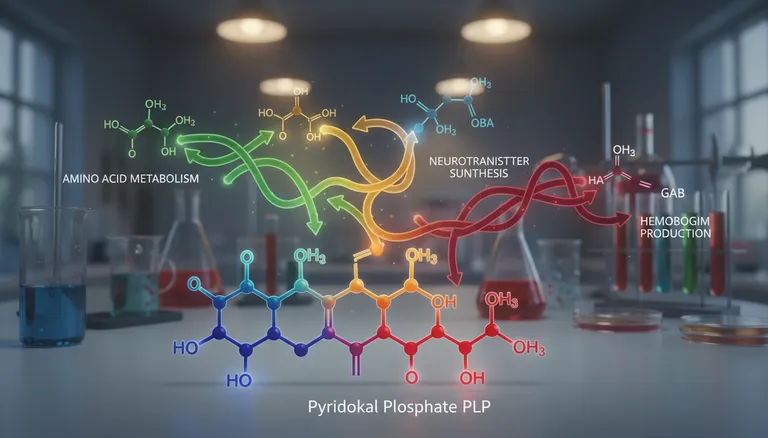
PLP is the star player in your metabolic machinery. It is involved in over 4% of all enzymatic reactions in the human body.[3]
Enzymatic Reactions and Metabolic Processes
This coenzyme is critical for the function of over 100 different enzymes. These PLP-dependent helpers are classified into five structural classes.[9]
They drive the metabolism of amino acids and fatty acids. One of their most crucial jobs is helping maintain stable blood sugar.
They facilitate gluconeogenesis. They also trigger the release of glucose from glycogen stored in your muscles.
Neurotransmitter Synthesis and Brain Function
In the brain, PLP-dependent enzymes are busy making mood-regulating chemicals. A key enzyme called aromatic L-amino acid decarboxylase makes serotonin and dopamine.[4] This is closely connected to magnesium and neurotransmitter regulation.
These enzymes also synthesize glutamate, histamine, and GABA. This function is fundamental for proper neurological health and emotional balance.[4]
Without this coenzyme, your body’s chemical communication network would falter. It truly is a cornerstone of cellular metabolism.
Role in Immune Function and Inflammation
Science continues to uncover how vital nutrients influence our body’s ability to fight infection and manage inflammation. A strong immune defense depends on precise biochemical support.
Scientific evidence highlights that adequate intake of this vitamin is crucial for optimal immune function. This is especially true for older individuals.[6]
A key player is the tryptophan-kynurenine pathway. This process, dependent on the coenzyme PLP, regulates immune tolerance and pro-inflammatory cytokines.
When chronic inflammation occurs, it can trigger tryptophan degradation. This may increase the body’s need for this nutrient to prevent immune system problems.
Research shows certain tryptophan derivatives can cause the death of specific immune cells during inflammatory responses. This includes T-helper 1 lymphocytes.
Maintaining sufficient levels may help lower the risk of chronic disease. It supports a balanced and responsive immune system for long-term health.[6]
Hemoglobin Production and Red Blood Cell Health
Imagine a microscopic delivery system that carries oxygen to every corner of your body. This is the job of hemoglobin, the iron-rich protein inside your red blood cells.
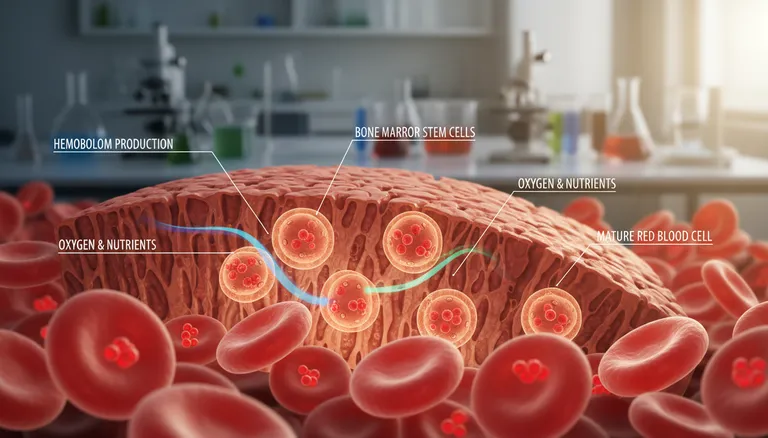
Hemoglobin is critical for picking up oxygen from your lungs and releasing it to your tissues. Your body needs a steady supply to make this vital protein.
The active coenzyme PLP is essential for this process. It acts as a helper for the enzyme 5-aminolevulinic acid synthase. This enzyme kicks off the synthesis of heme, the component of hemoglobin that holds iron.
Without enough of this nutrient, your body struggles to produce functional hemoglobin. This can lead to a specific type of anemia, where red blood cells become too small and pale.
Clinical studies link low levels to anemia, particularly in pregnant women and women of childbearing age. Ensuring adequate intake supports healthy blood cells and proper oxygen delivery.[1]
Addressing a vitamin deficiency is key. It allows your cells to effectively transport the oxygen your entire body needs to thrive.
Dietary Sources and Natural Food Benefits
Fortunately, obtaining this crucial coenzyme doesn’t require a complex strategy. A balanced diet rich in various whole foods is the most effective and enjoyable way to meet your daily needs.
Consuming a diverse range of dietary options ensures your body gets the components it needs for metabolic and neurological support.
Key Sources from Diet
Many delicious and common items are excellent natural food sources. Incorporating these into your meals provides a reliable source of pyridoxine.
- Animal proteins: Tuna, salmon, poultry, beef, and pork.
- Plant-based powerhouses: Chickpeas, legumes, nuts, and bananas.
A nutrient-rich plate featuring these foods is the best path to consistent intake.[10]
Fortified Foods and Supplement Options
For some individuals, dietary intake alone may not be enough. Fortified products like certain breakfast cereals and breads are enriched with this vitamin to help bridge nutritional gaps.[2]
While whole food sources are preferred, supplements can be a practical option for those with specific needs. Always consider your personal nutritional requirements when choosing a source.
Recommended Daily Dosage and RDA Guidelines
Official dietary guidelines provide a clear roadmap for optimal intake. The Food and Nutrition Board at the National Academies of Sciences, Engineering, and Medicine establishes the Dietary Reference Intakes (DRIs). These values are the gold standard for nutritional planning.[1]
For most healthy individuals, following the Recommended Dietary Allowance (RDA) ensures adequate levels. This amount is designed to meet the needs of nearly all people in the U.S. population.[12]
Age-Specific Dosage Recommendations
Needs change throughout life. The RDA is not a one-size-fits-all number. It is carefully tailored to different age groups and genders.
The following table outlines the key recommendations for daily intake.
| Life Stage Group | Age Range | RDA (mg/day) |
|---|---|---|
| Infants | 0-12 months | 0.1 – 0.3 mg* |
| Children | 1-13 years | 0.5 – 1.0 mg |
| Adults | 19-50 years | 1.3 mg |
| Older Adult Males | 51+ years | 1.7 mg |
| Older Adult Females | 51+ years | 1.5 mg |
*Adequate Intake (AI) for infants, as an RDA has not been established.
As shown, adults aged 19 to 50 should aim for 1.3 mg each day. This supports essential metabolic processes.
After age 50, requirements shift slightly. Men need 1.7 mg per day, while women need 1.5 mg per day. These adjustments help maintain health in later years.[1]
These guidelines are designed to meet the nutrient needs of 97% to 98% of healthy people. Infants and children have specific needs that grow with them.
Recognizing Vitamin B6 Deficiency Signs
While rare, a lack of this essential nutrient can manifest through specific physical and mental changes. Being aware of these signs helps you address a nutritional shortfall before it impacts your long-term health.
Common Symptoms of Deficiency
The body often signals an insufficiency in noticeable ways. Common clinical signs include persistent irritability, feelings of depression, and mental confusion.[9]
Physical symptoms can also appear. These include inflammation of the tongue, known as glossitis, and painful mouth sores.
A more serious neurological symptom is peripheral neuropathy. This involves tingling or numbness in the hands and feet. Early detection of these symptoms is key to preventing lasting neurological issues.[11]
Risk Factors and At-Risk Populations
Certain individuals face a higher risk of developing this deficiency. The primary causes are often linked to impaired metabolism or consistently low dietary intake.
Excessive alcohol use is a major risk factor. It disrupts normal nutrient processing and often accompanies poor food choices.[2]
People with chronic kidney failure or liver disease are also particularly vulnerable. Their bodies struggle to utilize pyridoxine effectively.
| Risk Factor | Primary Reason | Associated Symptom |
|---|---|---|
| Chronic Alcohol Use | Impaired metabolism & low intake | Confusion, Neuropathy |
| Kidney/Liver Disease | Reduced activation & utilization | Glossitis, Anemia |
| Poor Diet | Insufficient food sources | Irritability, Mouth Sores |
Identifying these risk factors allows for proactive nutritional support. This helps correct the deficiency and restore proper metabolic function. Read more about nutritional deficiencies and their symptoms.
Cardiovascular Health and Homocysteine Regulation
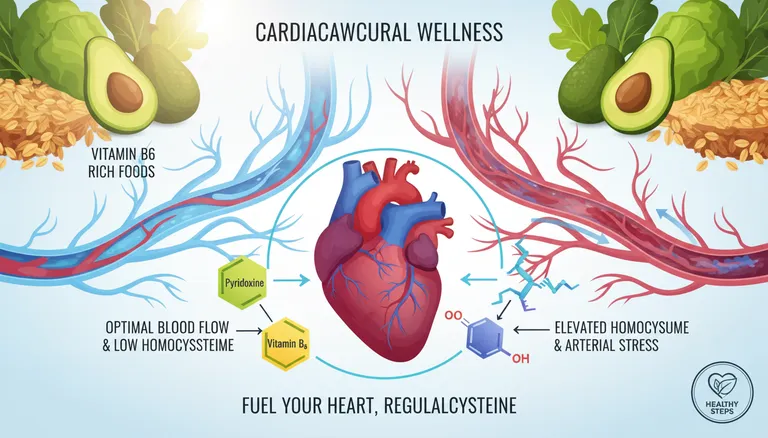
A specific amino acid in your blood, homocysteine, has been linked to heart disease risk. This nutrient plays a key role in managing its levels.
Homocysteine and Cardiovascular Risk
High homocysteine is a known marker for vascular problems. It can damage artery walls and speed up plaque buildup.
Pyridoxine helps convert this amino acid into safer substances. Proper regulation is crucial for maintaining a healthy cardiovascular system. Folate and B12 play a similar role — learn about folate and the one-carbon methylation cycle.
Findings from Clinical Studies
Large population studies offer strong research insights. The Nurses’ Health Study of 80,082 women found a 24% lower coronary artery disease risk with multivitamin use.[5]
A Japanese cohort of 40,000 individuals showed a 48% lower myocardial infarction risk with higher intake. These findings highlight a potential protective effect.[5]
However, some clinical studies show that lowering homocysteine doesn’t always prevent heart events. Ongoing research continues to explore this complex relationship in high-risk groups.
Brain Health, Mood, and Neurological Benefits
The intricate chemistry of your mind requires specific helpers to produce the chemicals that shape how you feel. This essential vitamin acts as a key cofactor in creating neurotransmitters like serotonin and dopamine.
These brain chemicals are fundamental for regulating emotions, motivation, and overall mental well-being. Maintaining adequate nutrient levels supports this vital production line.
Scientific research strongly links low blood levels to a higher risk of depression. A study involving 250 older adults found that deficient levels doubled the likelihood of experiencing depressive symptoms.[4] This connects to the broader topic of vitamin B12 and neurological function.
Some studies suggest that sufficient intake may help protect against age-related cognitive decline. However, research on its role in Alzheimer’s disease remains conflicting and inconclusive.[9]
More rigorous studies are needed to determine if supplementation can reliably improve brain function or slow the progression of neurological disease. The current evidence highlights the importance of this nutrient for a healthy brain.
| Research Focus | Key Participant Group | Finding on Brain Health |
|---|---|---|
| Depression Risk | 250 Older Adults | Deficient blood levels doubled depression likelihood. |
| Cognitive Support | General Aging Population | Adequate levels may help prevent cognitive decline. |
| Neurological Disease | Alzheimer’s Disease Patients | Supplementation efficacy remains unclear and conflicting. |
Vitamin B6 in Pregnancy, PMS, and Women’s Health
For many expecting mothers, the first trimester brings an unwelcome challenge that can disrupt daily life. This essential nutrient offers targeted support during key stages of a woman’s reproductive health.

Its role extends beyond general wellness. It provides specific relief for common conditions affecting women.
Managing Morning Sickness with Vitamin B6
Nausea and vomiting during pregnancy are often managed with this vitamin. Many women use doses between 30 and 75 mg per day.
Clinical research confirms it as an effective treatment for morning sickness. Relief from these symptoms can occur within a few days of starting supplementation.[7]
Benefits for PMS Symptom Relief
For premenstrual syndrome, this nutrient can also be helpful. Daily doses around 50 mg have shown promise in easing emotional distress.
A study involving 60 women reported significant results. Those taking the supplement experienced a 69% reduction in symptoms like irritability and depression.[8]
| Health Focus | Common Daily Dose | Primary Benefit | Research Insight |
|---|---|---|---|
| Pregnancy Nausea | 30-75 mg | Reduces nausea & vomiting | Effective treatment, relief often in days |
| Premenstrual Syndrome | 50 mg | Eases emotional symptoms | 69% improvement in study of 60 women |
Women should always consult their healthcare provider before starting high doses. This is especially important during pregnancy or for managing PMS.
Safety, Side Effects, and Supplementation Considerations
Even essential nutrients require respect for established limits to ensure they support health without causing harm. Understanding these boundaries is key to using supplements wisely.
Supplementation Safety and Upper Limits
Pyridoxine is generally safe when consumed within recommended amounts. However, taking excessive doses from supplements can lead to negative side effects over time.
The tolerable upper intake level for adults is set at 100 mg per day. This limit helps prevent potential nerve damage and sensory changes.[1]
Documented side effects, like numbness in the hands or feet, have been reported. These issues often occur in people taking 100 to 300 mg per day.
Consuming more than 1,000 mg per day can cause serious nerve damage. It is nearly impossible to reach these toxic levels through food alone.[13]
Adverse side effects are primarily linked to high-dose supplements. Always speak with a healthcare provider before starting any new supplements.
They can help ensure the doses are safe for your specific needs each day. This simple step protects your well-being while you support your health.
Current Research and Evidence-Based Insights
Cutting-edge clinical trials continue to reveal surprising connections between dietary components and long-term health outcomes. Staying informed about the latest evidence helps you make smarter choices for your well-being.

Recent Studies and Clinical Trials
One major seven-year project followed over 5,400 female health professionals. The research found a 35-40% lower risk of age-related macular degeneration with adequate intake.[9]
Other studies look at inflammatory conditions like rheumatoid arthritis. Early evidence suggests high doses might help reduce swelling and pain for some patients.[3]
However, not all clinical trials show clear benefits. Many report mixed results for preventing chronic disease. This highlights the complex nature of nutritional science.
Emerging Research Directions
Scientists are now digging deeper into how this nutrient affects various inflammatory pathways. The goal is to understand its long-term impact on conditions driven by inflammation.
This evidence-based approach is crucial for forming solid health recommendations. It ensures that guidance is built on reliable data, not just trends.
Future studies will likely focus on personalized nutrition. They aim to see who benefits most from higher intakes for specific health concerns.
For now, the collective evidence supports getting enough from your diet. It plays a role in managing inflammation and possibly lowering the risk of certain age-related disease.
Conclusion
Your dietary choices directly fuel the complex biochemical machinery that keeps you energized and healthy every day. The vitamin pyridoxine is central to this process, supporting essential metabolism and cell production.
For most people, a varied and balanced diet provides all you need. Focusing on whole foods is the safest and most effective strategy for maintaining good nutrient levels.[12][13]
While supplements can be useful for specific needs, they require caution. Always use them under the guidance of a healthcare provider to ensure safety and appropriateness. Review a complete daily supplement routine for optimal nutrition for guidance.
Sustaining adequate intake is a smart investment in your long-term health. Prioritize your dietary intake first, and consult a professional before adding high-dose supplements to your regimen for optimal wellness. For hormone balance and mood support, see Remedy’s Nutrition guide to Vitamin B6.
Frequently Asked Questions
What are the main jobs of pyridoxine in my body?▼
This nutrient is a key player in many bodily processes. It helps your body create important brain chemicals, like serotonin, which affects your mood. It’s also crucial for making hemoglobin, the protein in your red blood cells that carries oxygen. Plus, it helps your body get energy from the food you eat.
Which foods are the best natural sources?▼
You can find it in a wide variety of foods. Excellent sources include chickpeas, tuna, salmon, chicken breast, and potatoes. Many breakfast cereals are also fortified foods, meaning the nutrient is added during processing. Eating a balanced diet with these items helps most people meet their needs.
How much do I need each day?▼
The recommended amount depends on your age and life stage. For most adults, the RDA is about 1.3 milligrams. Needs increase for women who are pregnant or breastfeeding. Always check with a healthcare provider before starting any new supplements to determine the right dosage for you.
What happens if I don’t get enough?▼
A deficiency can cause several noticeable symptoms. You might feel unusually tired or develop cracks at the corners of your mouth. More serious signs include a specific type of anemia where your red blood cells are small and pale, or feelings of depression and confusion. Certain groups, like those with kidney issues, are at higher risk.
Can it help with morning sickness during pregnancy?▼
Yes, it is a common first-line recommendation for managing nausea and vomiting in pregnancy. Doctors often suggest a specific, safe dose. The evidence shows it can significantly reduce feelings of queasiness for many expectant mothers. Always talk to your doctor about the proper use for your health.
Are there any risks from taking too much?▼
While getting it from food is very safe, very high doses from supplements over a long time can cause nerve damage. This can lead to a loss of feeling in your hands and feet. To avoid side effects, it’s important not to exceed the established upper limit of 100 milligrams per day for adults unless supervised by a doctor.
What’s the connection between this vitamin and heart health?▼
Pyridoxine works with other B-vitamins to manage an amino acid in your blood called homocysteine. High levels of homocysteine are linked to a greater cardiovascular risk. By helping to keep this level in check, the nutrient supports the health of your heart and blood vessels, according to numerous studies.
Related Reading
Sources
- NIH Office of Dietary Supplements — Vitamin B6
- Linus Pauling Institute — Vitamin B6
- Percudani R, Peracchi A — The B6 database: a tool for the description of vitamin B6-dependent enzymatic activities
- Dakshinamurti K — Neurobiology of pyridoxine (PMC4772032)
- Rimm EB et al. — Folate and vitamin B6 from diet and supplements and risk of coronary heart disease
- Remedy’s Nutrition — Vitamin B6: The Key to Hormone Balance and Mood
- Rall LC, Meydani SN — Vitamin B6 and immune competence
- Koren G et al. — Motherisk update: vitamin B6 for nausea and vomiting of pregnancy
- Wyatt KM et al. — Efficacy of vitamin B6 in the treatment of premenstrual syndrome
- Stach K et al. — Vitamin B6 in health and disease (PMC8297585)
- USDA FoodData Central
- Healthline — 9 Health Benefits of Vitamin B6 (Pyridoxine)
- Harvard T.H. Chan School of Public Health — Vitamin B6
- Medical News Today — What are the health benefits of vitamin B6?