

Welcome to your complete guide on vitamin B9, a nutrient your body desperately needs but cannot create on its own. This essential vitamin is a building block for life, required for making DNA and supporting rapid cell growth.
Often spotlighted during pregnancy, its roles extend far beyond. It helps form healthy red blood cells and is fundamental to your overall well-being every single day.
This guide will walk you through everything. We’ll explore the benefits of getting enough of this nutrient, clear up the difference between natural food sources and the synthetic version called folic acid, and discuss how to meet your needs.
Getting the right amount supports heart health by managing an amino acid called homocysteine, lowering your risk for certain health concerns. Let’s dive in and unlock the power of this crucial vitamin.
Quick Answer
Folate (vitamin B9) is an essential water-soluble B vitamin your body needs for DNA synthesis, healthy red blood cell production, and proper cell division. It is especially critical during pregnancy to prevent neural tube defects like spina bifida. Adults need 400 mcg DFE daily, rising to 600 mcg during pregnancy. Natural folate comes from leafy greens and legumes, while folic acid is the synthetic form added to fortified foods and supplements. Deficiency can cause megaloblastic anemia, fatigue, and neurological issues. High-dose folic acid supplements can mask a vitamin B12 deficiency.
Key Takeaways
- Folate (vitamin B9) is essential for DNA synthesis, cell division, and healthy red blood cell formation.
- Adequate intake before and during pregnancy significantly reduces the risk of neural tube defects like spina bifida.
- The natural food form is called folate; the synthetic supplement form is folic acid — both convert to the same active vitamin in the body.
- Adults need 400 mcg DFE/day; pregnant women need 600 mcg DFE/day from diet plus supplements.
- Folate works with vitamin B12 and iron to prevent anemia — high-dose folic acid can dangerously mask B12 deficiency.
- Heart health benefits include lowering homocysteine levels, reducing cardiovascular and stroke risk.
Introduction to Folate
Your body relies on it every single day, yet it cannot manufacture this crucial compound on its own. This essential nutrient, known as vitamin B9, is a foundational piece of human health.
What is Folate?
Scientifically termed vitamin B9, this is a water-soluble nutrient. It’s one of eight total B vitamins your system needs. Porter Ranch Medical Center covers all essential B vitamins and nutrients.
The name itself has a leafy origin. “Folic” comes from the Latin word “folium,” meaning leaf. Researchers first identified it in dark-green leafy vegetables.[2]
Its discovery timeline spans from 1931 to 1943. Since then, it has remained a cornerstone of nutrition for everyone.
The Importance of Folate in Daily Life
This vitamin is a key player in complex metabolic processes. These processes keep your organs functioning correctly.
It directly supports nervous system health and proper cell division. Getting enough is non-negotiable for long-term vitality.
You must consume it through a balanced diet. Whether you are a child or an adult, B9 is a fundamental building block for your health.
Understanding Folate and Folic Acid
The story of vitamin B9 has two main characters: one found naturally in foods and another created in a lab. While both serve the same essential purpose in your body, they are not identical. Knowing the distinction helps you understand nutrition labels and make better health choices.
Differences Between Natural Folate and Folic Acid
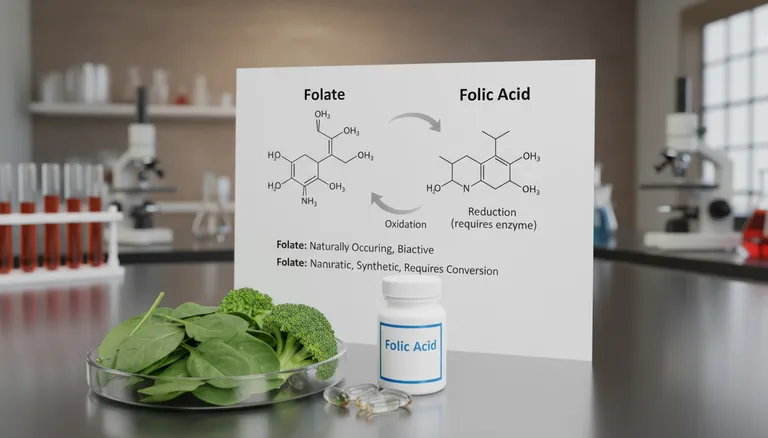
The natural form is present in foods like spinach and beans. The synthetic version, known as folic acid, is made in laboratories.[12]
Your body handles them differently. Research shows folic acid has an absorption rate of about 85%. The natural food-based version is absorbed at only around 50%.[1]
This synthetic acid is also much more stable. It doesn’t break down easily during cooking or food processing. That’s why it’s the preferred form for dietary supplements and fortified cereals.
| Feature | Natural Folate | Folic Acid |
|---|---|---|
| Source | Foods (leafy greens, legumes) | Synthetic, manufactured |
| Typical Absorption Rate | ~50% | ~85% |
| Stability | Less stable, sensitive to heat/light | Highly stable |
| Common Use | Whole food diets | Supplements & fortified foods |
Both types are converted by your body into the same active vitamin. This active version supports cell growth and metabolism. Understanding this difference is key to managing your intake effectively.
Key Benefits of Folate
The advantages of consuming adequate vitamin B9 extend to nearly every system in your body. This nutrient is a true multitasker, supporting vital processes from your genetic code to your circulation.
Supporting DNA and Cell Growth
Vitamin B9 is a key player in building your body’s instruction manual. It acts as a necessary helper for enzymes that create DNA and RNA.[1][7]
These molecules are the blueprints for every single cell. Without enough of this vitamin, proper cell division and growth can stall.[7]
This is crucial for healing wounds and maintaining healthy tissues. It’s a foundational process for your overall well-being.
Preventing Birth Defects and Promoting Red Blood Cell Health
During early pregnancy, cells divide at an incredible rate. Adequate folate intake is critical for proper fetal development.
It significantly lowers the risk of serious neural tube birth defects. These affect the developing brain and spinal cord.[3]
This vitamin is also essential for making healthy red blood cells. It helps these cells mature properly so they can carry oxygen efficiently.
A shortage can lead to a type of anemia, leaving you tired and weak. Keeping levels optimal ensures your energy and vitality.[1]
| Benefit | Primary Function | Key Importance |
|---|---|---|
| DNA Synthesis & Cell Growth | Serves as cofactor for enzymes | Foundational for all tissue repair and growth |
| Red Blood Cell Formation | Supports maturation of erythrocytes | Prevents anemia and ensures oxygen transport |
| Fetal Development | Critical for neural tube closure | Prevents major birth defects like spina bifida |
Optimal Folate Dosage and Recommendations
Your requirement for this B vitamin isn’t static. It changes with different life stages and conditions. Knowing the right amount helps you support your health without going overboard.
Daily Intake Guidelines for Different Life Stages
Health experts set Recommended Dietary Allowances (RDAs). These are average daily levels to meet the needs of most healthy people.[8]
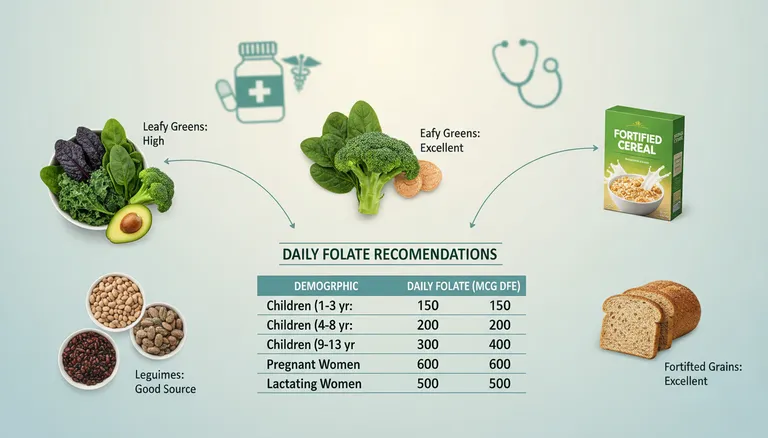
For adults 19 years and older, the RDA is 400 micrograms of dietary folate equivalents (DFE) per day. Needs are higher during times of rapid growth.
| Life Stage | Recommended Daily Intake (DFE) | Key Notes |
|---|---|---|
| Children 1-3 years | 150 mcg | Supports early growth and development. |
| Children 9-13 years | 300 mcg | Meets demands of pre-teen growth spurts. |
| Adults 19+ years | 400 mcg | Maintains cell health and red blood cell production. |
| Pregnancy | 600 mcg | Critical for fetal development, especially in early months. |
Understanding Tolerable Upper Intake Levels
More isn’t always better. The Tolerable Upper Intake Level (UL) is the maximum safe amount from supplements and fortified foods.[13]
For the synthetic form, folic acid, the UL is 1,000 micrograms per day. This limit helps prevent potential side effects.
Always talk to a doctor before taking high-dose supplements. This is especially important if you have specific health conditions.
Folate Food Sources and Fortified Foods
Your body gets vitamin B9 from a powerful duo: natural food sources and government-mandated fortified products. In January 1998, the U.S. FDA required manufacturers to add folic acid to breads, cereals, and pasta.
This public health move boosted average intake by about 100 mcg per day. Fortified foods now play a major role in helping everyone meet their needs for this essential nutrient. For B-complex synergy, vitamin B1 and B-complex energy support is equally important.
Natural Foods Rich in Folate
Dark green leafy vegetables are excellent choices. Spinach and asparagus should be included in your daily diet for a steady supply of this B vitamin.
Legumes like beans and lentils provide a significant amount. They also deliver fiber and plant-based protein for your body.
For a concentrated source, consider beef liver. A single 3-ounce serving provides over 200 micrograms of the nutrient.[11]
Folate Deficiency: Signs, Symptoms, and Risks
When your body runs low on this essential B vitamin, it sends out distinct distress signals that are easy to miss. A folate deficiency occurs when your total body stores, normally between 10 and 30 mg, become depleted.
This shortage disrupts critical processes like DNA synthesis and the production of healthy blood cells.
Recognizing Early Warning Signs
The initial symptoms are often vague but persistent. You might feel unusually tired, weak, or notice sores in your mouth.
Your skin may also appear paler than normal. These are classic signs of low levels.
If not addressed, this can progress to megaloblastic anemia. In this condition, your bone marrow produces oversized, immature red blood cells that can’t function properly.
Risk Factors and Populations Prone to Deficiency
Certain conditions and lifestyles significantly increase your risk. Alcoholism is a major factor, as alcohol interferes with the absorption of this nutrient and speeds up its loss from the body.
Digestive disorders, such as Celiac disease, can also prevent proper absorption. This happens even if you eat a healthy diet.[9]
Without treatment, a prolonged folate deficiency can lead to neurological issues. Problems like difficulty concentrating and irritability may develop, impacting daily life.
Folate’s Role in Pregnancy and Fetal Development
Public health initiatives have successfully reduced certain birth defects by focusing on a single vitamin. This period demands more of this essential nutrient than any other time in a woman’s life.
The first weeks after conception are a flurry of rapid cell division. A key structure called the neural tube forms and closes during this critical window.
Reducing the Risk of Neural Tube Defects
If this process is disrupted, it can lead to serious neural tube defects. The two most common types are spina bifida and anencephaly.
Research shows low vitamin B9 levels in early pregnancy are linked to over half of all these conditions. This is why timing is everything.
Having sufficient folic acid in your system upon conception is vital. The neural tube closes around the 28th day, often before many know they are expecting.[3]
That’s why the CDC recommends all women of childbearing age get 400 micrograms of folic acid daily. This simple step is a powerful shield for a future pregnancy.
Mandatory food fortification programs prove it works. Adding this nutrient to grains has led to a 30% reduction in live births with spina bifida worldwide.[8]
Adequate intake may also lower risks for other complications. These include preeclampsia and early labor, supporting a healthier journey for both mother and baby.
Folate and Heart Health
Managing an amino acid called homocysteine is crucial for heart health, and this is where vitamin B9 steps in. This nutrient helps your body convert homocysteine into a harmless substance, preventing a dangerous buildup in your bloodstream. This process also involves vitamin B6 and homocysteine metabolism.

Lowering Homocysteine Levels for Cardiovascular Benefits
High homocysteine levels are linked to an increased risk of heart disease. Vitamin B9 acts like a cleanup crew, mitigating this threat by supporting your cardiovascular system.
By facilitating this conversion, the nutrient helps keep your blood vessels clear and functioning well. It’s a simple yet effective long-term strategy for protection.
Clinical research backs this up. Long-term supplementation with folic acid has been shown to reduce the relative risk of stroke by approximately 10%.[4]
These heart benefits are particularly important for people in areas without fortified food programs. For them, ensuring adequate intake of this vitamin is a key part of maintaining a healthy heart.
Folate and Brain Health
Beyond its well-known roles, vitamin B9 plays a critical part in maintaining the health and function of your brain.
This nutrient is deeply involved in neurological processes that affect your mood, memory, and mental clarity every day.
Supporting Cognitive Function and Neurological Health
Low levels of this vitamin, combined with high homocysteine, are strongly linked to a higher risk of Alzheimer’s disease and dementia.
Your brain relies on B9 to recycle key neurotransmitters. These chemicals are essential for maintaining a stable mood and sharp focus.
Some studies have explored using folic acid to help slow cognitive decline. However, the results from these investigations remain mixed and inconclusive.[6]
More research is needed to understand how this nutrient interacts with other factors to protect the aging mind.
| Neurological Area | Research Link | Current Understanding |
|---|---|---|
| Alzheimer’s & Dementia | Associated with low folate & high homocysteine. | Strong observational link; causal role under investigation. |
| Autism Risk | Maternal supplementation linked to reduced risk. | Promising association seen in global population studies. |
| General Cognitive Decline | Mixed results from intervention studies. | May support function, but not a guaranteed treatment. |
One of the most promising findings involves early life. Maternal supplementation during pregnancy is associated with a reduced risk of autism spectrum disorder in children.[7]
Maintaining adequate folate is a simple, proactive step for supporting your brain health across your entire lifespan.
Folate in Cancer Prevention and Treatment
Research into vitamin B9 reveals a complex relationship with cancer, showing both protective and potentially harmful effects. Getting enough from your diet is generally linked to a lower risk for several cancers.
Chronically low intake may raise the chances of colorectal, breast, and lung cancers. This makes a balanced diet very important for long-term health.

Balancing Benefits and Risks in Supplementation
However, taking very high doses in pill form is a different story. Some clinical studies have reported concerns.
High-dose folic acid supplements, over 1,000 micrograms daily, were linked to a 24% increased risk of prostate cancer in trials. This highlights a critical balance.[5]
While food sources are protective, extra acid from pills might speed up growth of pre-existing abnormal cells in places like the colon. If you have a history of cancer, talk to your doctor before starting any high-dose regimen.
| Intake Scenario | Potential Benefit | Associated Risk |
|---|---|---|
| Adequate Dietary Intake | May lower risk of colorectal, breast cancers. | Minimal when from food. |
| Moderate Supplementation (as directed) | Corrects deficiency; supports cell health. | Generally low at RDA levels. |
| High-Dose Supplementation (>1000 mcg/day) | Fulfills very high prescribed needs. | Possible increased risk for prostate cancer; may fuel existing lesions. |
It’s vital to weigh the benefits of this nutrient against potential risk. Always seek professional medical advice for personalized guidance.
Folate’s Impact on Mental Health
Emerging research reveals a significant link between this essential nutrient and emotional health. Your intake of vitamin B9 may play a more important role in your mood than previously understood.
Scientists now recognize how this vitamin influences brain chemistry. It acts as a key player in creating the neurotransmitters that regulate how we feel.
Connections Between Folate Levels and Depression
A 2024 umbrella meta-analysis made a clear conclusion. Supplementation with this nutrient alleviates depression symptoms in many individuals.[10]
There is a strong connection between low folate levels and clinical depression. Both adults and adolescents show this pattern in research studies.[10]
People with depression often don’t respond well to antidepressants when they have low levels. Adding this vitamin can boost medication effectiveness.
| Nutrient Status | Depression Risk | Treatment Response | Recommended Action |
|---|---|---|---|
| Adequate | Lower risk | Better medication response | Maintain through diet |
| Low | Increased risk | Reduced antidepressant effect | Consider supplementation |
| Deficient | High risk | Poor treatment outcomes | Medical consultation needed |
This vitamin is a critical cofactor in making dopamine and serotonin. These brain chemicals directly influence happiness and emotional stability.
It also helps recycle tetrahydrobiopterin, another essential compound for neurotransmitter production. By supporting healthy brain communication, vitamin B9 contributes to overall mental well-being.
Folate and Other B Vitamins Interaction
A complex nutritional interaction exists between folate, vitamin B12, and iron that is vital for well-being. These nutrients must be kept in a careful balance for your body’s most critical processes to run smoothly.
The Synergy Between Folate, Vitamin B12, and Iron
This trio works together to support energy and blood health. A shortage of any one can lead to complications, particularly a type of anemia.
There is a significant risk with high-dose supplements. Taking too much folic acid can mask the symptoms of a vitamin B12 deficiency.[4]
This is especially dangerous for older adults. If a B12 shortage remains hidden, it can cause slow but irreversible damage to the brain and nervous system.
Both folate and vitamin B12 are essential for making healthy red blood cells. Always ensure your supplement regimen is balanced, as these vitamins are powerful partners. Read more about vitamin B12 and the methylation cycle.
Folate: Essential Nutrient for All Ages
From infancy through the senior years, this vitamin remains a cornerstone of well-being. It is essential for maintaining cellular health and preventing chronic disease.
Young bodies need it for rapid growth and development. Every new cell relies on this nutrient to form correctly.
Adults utilize it to repair DNA and sustain healthy blood cells. This ongoing maintenance is vital for long-term vitality.
In later years, its role shifts to supporting brain function and heart health. Adequate intake can help preserve mental sharpness and circulation.
Ensuring you meet daily requirements is a lifelong commitment. A diet rich in leafy greens and legumes, paired with folic acid supplements if needed, provides consistent support. Supporting nutrition and sustained cellular energy production is a lifelong priority.
By prioritizing this vitamin across your lifespan, you empower your body to perform at its absolute best.
Practical Tips for Boosting Folate Intake
Maximizing your daily intake of this crucial B vitamin requires smart strategies. You can easily enhance your levels through simple changes to your eating habits and supplement use. Understanding common nutrient deficiencies and their health impact helps guide supplementation choices.
Focusing on both food and pills ensures you get enough for optimal health.
Dietary Strategies to Enhance Folate Absorption
Build your meals around dark leafy greens, legumes, and fortified grains. These foods provide a steady supply of the natural form of this nutrient.
It is especially important to limit alcohol. Excessive consumption interferes with absorption and speeds up loss from your body.
Light cooking methods help preserve vitamin content in vegetables. Steaming or sautéing briefly is better than boiling.
Effective Use of Supplements
If you choose a folic acid supplement, a standard 400 microgram dose is often sufficient. This helps you avoid exceeding the safe upper limit.
In addition to your diet, a quality multivitamin can fill gaps. Always check the label for the correct amount of this acid.
Your body can absorb large doses through passive diffusion. Still, stick to recommended amounts unless your doctor advises otherwise.
Folate Use in Medical Treatments
Clinical applications of this essential nutrient extend into specialized areas like oncology and rheumatology. Doctors use it not just to prevent deficiency but as an active part of treatment plans.
Clinical Applications and Medication Interactions
In hospitals, vitamin B9 is given to treat specific anemias caused by a lack of this nutrient in the body. This direct intervention helps restore healthy red blood cell production quickly.
A key example is the drug methotrexate. This powerful medication is used for cancer and rheumatoid arthritis. It works by interfering with folate metabolism, which can also cause significant side effects.
To counteract this, doctors often use folinic acid (leucovorin). It is administered during chemotherapy to “rescue” healthy cells from the toxic effects of the antifolate drug.
Some research studies have looked into using this nutrient for other conditions. These include age-related hearing loss and macular degeneration. However, more robust studies are needed before firm conclusions can be made.
It’s crucial to tell your doctor about any supplements you take. Synthetic folic acid can interact with medications for seizures or ulcerative colitis. A balanced approach ensures safety and effectiveness.
Conclusion
In summary, the journey through vitamin B9 highlights a nutrient fundamental to our biological blueprint. It is a cornerstone for health, from building DNA to guarding against serious birth defects and supporting your heart.
While a true folate deficiency is uncommon, symptoms like fatigue, mouth sores, and shortness of breath should be addressed immediately. Protecting your long-term health is straightforward with a balanced diet and by following recommended guidelines.[13][14]
It is especially important to be mindful of the risk that high-dose folic acid supplements can mask a vitamin B12 deficiency. In addition to smart food choices, staying informed through new studies over the years helps you make the best decisions.
Whether planning for a family or focusing on cardiovascular wellness, this vitamin remains an essential part of a proactive health journey. For a complete B-vitamin overview, visit Remedy’s Nutrition guide to all 8 B vitamins.
Frequently Asked Questions
What’s the difference between folate and folic acid?▼
Folate is the natural form of vitamin B9 found in foods like leafy greens and beans. Folic acid is the synthetic version used in supplements and fortified foods like bread and cereal. Your body uses them similarly, but some people process the synthetic form differently.
Why is this vitamin so important before and during pregnancy?▼
Getting enough is crucial for preventing major birth defects of the baby’s brain and spine, known as neural tube defects like spina bifida. Because these develop very early in pregnancy, experts recommend women of childbearing age consume 400 micrograms daily from supplements or fortified foods.
How does folate support my red blood cells?▼
It’s essential for creating healthy red blood cells. Without enough, your body can’t make red blood cells properly, leading to a condition called megaloblastic anemia. This can cause tiredness, weakness, and shortness of breath.
What are the best food sources of natural folate?▼
A> Excellent sources include dark leafy greens (spinach, kale), asparagus, Brussels sprouts, avocado, beans, lentils, and citrus fruits. Eating a variety of these foods helps you meet your daily needs.
Can I get too much folic acid from supplements?▼
Yes, there is an upper limit, set at 1,000 micrograms per day for adults from fortified foods and supplements. High intakes can mask the symptoms of a vitamin B12 deficiency, which is a serious concern. It’s best to talk to your doctor before starting any high-dose supplement.
What are common signs of a folate deficiency?▼
Early signs often include fatigue, mouth sores, a swollen tongue, and gray hair. As it progresses, it can lead to the anemia mentioned earlier, causing paleness, irritability, and shortness of breath.
How does folate work with vitamin B12 and iron?▼
These three nutrients work as a powerful team. Vitamin B12 helps your body use folate properly. Both are needed to make red blood cells, which require iron to carry oxygen. A deficiency in one can often affect the others.
Are there benefits for heart and brain health?▼
Yes. Adequate levels help break down an amino acid called homocysteine. High homocysteine is linked to a higher risk of heart disease. For brain health, maintaining good levels supports cognitive function and is being studied for its role in mood regulation.
Related Reading
Sources
- NIH Office of Dietary Supplements — Folate
- Linus Pauling Institute — Folate
- Czeizel AE, Dudas I — Prevention of neural-tube defects with periconceptional folic acid
- Selhub J — Folate, vitamin B12 and vitamin B6 and cardiovascular disease (PMC5541378)
- Kim YI — Folate and cancer: a tale of Dr. Jekyll and Mr. Hyde?
- Durga J et al. — Effect of 3-year folic acid supplementation on cognitive function
- Remedy’s Nutrition — The 8 Types of B Vitamins and Their Essential Functions
- Crider KS et al. — Folate and DNA methylation: a review of molecular mechanisms (PMC5012349)
- Lamers Y — Folate recommendations for pregnancy, lactating women and infants
- Wilcken B et al. — Geographical and ethnic variation of the MTHFR 677C>T mutation
- Coppen A, Bolander-Gouaille C — Treatment of depression: time to consider folic acid
- USDA FoodData Central
- Healthline — Folic Acid vs. Folate: What’s the Difference?
- Harvard T.H. Chan School of Public Health — Folate (Folic Acid) — Vitamin B9
- Medical News Today — What is folate, and why do we need it?