

Your body needs a variety of nutrients to thrive. One of the most crucial is a fat-soluble vitamin stored in your liver. This powerhouse nutrient supports essential functions from head to toe.
It plays a starring role in maintaining healthy vision, especially in low light. Your skin’s cell production and immune system’s defenses also rely heavily on it. Getting enough is key for people of all ages.
This guide will explore the recommended daily intake of retinol. We’ll show you how to safely add diverse food sources to your weekly meals. A balanced diet is the best way to meet your needs.
Understanding the signs of a potential shortage is vital for long-term wellness. Early detection helps prevent serious health complications. We’ll cover the biological role and practical steps to ensure you get enough daily.
Quick Answer: Vitamin A is an essential fat-soluble nutrient stored in the liver that is critical for night vision, immune defense, skin health, and cell differentiation. Adults need 700–900 mcg RAE daily, primarily from liver, dairy, eggs, and orange/yellow produce. Both deficiency (causing night blindness and immune suppression) and excess from supplements (causing toxicity) are health risks — always consult a healthcare provider before supplementing.
Key Takeaways
- This fat-soluble nutrient is vital for vision, skin health, and immune function.
- Your body stores it in the liver for future use.
- Retinol is the active form found in animal-based foods.
- A balanced diet rich in certain fruits and vegetables can help you meet your needs.
- Knowing the signs of deficiency is important for maintaining overall health.
- Stick to recommended daily values to avoid potential toxicity.
- Consult a healthcare provider for personalized advice on your intake.
Introduction to Vitamin A
Found in both animal and plant foods, this vital nutrient comes in two primary forms. Your body cannot make it on its own, so you must get it from your diet.
It is a fat-soluble compound, meaning it is stored in your liver for future use. This storage system helps maintain steady levels, but it also means you should avoid taking too much. This is a shared characteristic with vitamin D and fat-soluble vitamin absorption.
What is Vitamin A and Why It Matters?
This nutrient is essential for many bodily functions. It supports good vision, especially in dim light, and keeps your skin healthy.
A strong immune system also relies on it. Getting the right amount is a key part of overall wellness.
“Eating a colorful variety of foods is the best way to ensure you get all the nutrients you need, including this important one.”
An Overview of Preformed and Provitamin A
There are two main types you should know. Preformed vitamin A is found in animal products. Your body can use it right away.
Provitamin A, like beta-carotene, comes from plants. Your body must convert it into the active form. [2]
Understanding these types helps you plan a balanced diet. You can get what you need from different food groups.
| Type | Common Sources | Key Fact |
|---|---|---|
| Preformed Vitamin A (Retinol) | Liver, fish, dairy, eggs | Ready for the body to use immediately. |
| Provitamin A (Beta-carotene) | Carrots, sweet potatoes, spinach, kale | Must be converted by the body into active vitamin A. |
| Including both types in your weekly meals is a smart strategy for optimal health. | ||
Vitamin A: Essential Nutrient for Overall Health
Retinol, the active form of this nutrient, is directly involved in processes that keep your eyes and skin healthy. It is a cornerstone for the formation and maintenance of many tissues.
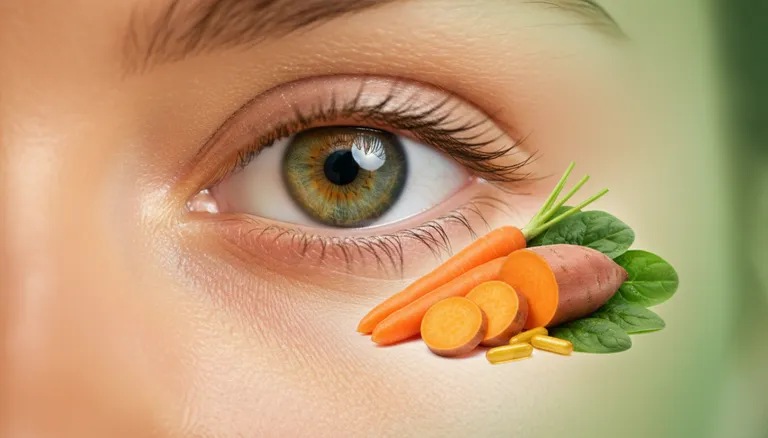
This compound helps build strong teeth and skeletal tissue. It also maintains the soft tissue and mucus membranes throughout your body.
Understanding Its Role in Vision and Skin Health
Retinol gets its name from its critical role in producing eye pigments. These pigments in the retina are essential for good vision, especially in low light. [3]
For your skin, adequate levels prevent dryness and itchiness. It supports cell production to keep your skin smooth and resilient. [5]
The health of your retinas relies on this nutrient. Consistent intake may help guard against age-related vision issues later in life.
Mucus membranes in your nose, throat, and gut also depend on it. A strong mucosal lining acts as a vital barrier against germs.
| Body System | Key Function | Primary Benefit |
|---|---|---|
| Vision | Produces retinal pigments | Supports night vision and eye health |
| Skin | Maintains cell production and integrity | Prevents dryness and promotes healing |
| Mucous Membranes | Forms protective barriers | Defends against infections |
| Structural Tissues | Supports teeth and skeletal tissue | Ensures overall structural health |
Getting enough retinol is a simple yet powerful step for your wellness. Focus on a diet rich in its various sources.
Key Health Benefits of Vitamin A
From fortifying your immune defenses to supporting reproductive wellness, the perks of this nutrient are diverse. It acts as a guardian for several critical systems in your body.
Boosting Immunity and Supporting Cellular Functions
Your immune system depends on this compound to function properly. It helps immune cells communicate and coordinate attacks against germs. [4] Pair it with vitamin C for immune defense and collagen synthesis for comprehensive immune support.
This nutrient also regulates the differentiation of cells. This process is vital for maintaining a strong first line of defense against infections.
Some research suggests adequate intake may lower the risk of certain long-term diseases. It does this by protecting cells from damage caused by free radicals.
Promoting Eye Health and Reproductive Wellness
Retinol is crucial for maintaining the health of your retinas. This supports good eyesight, especially in low-light conditions.
For reproductive health, the nutrient plays a key role. It helps prevent birth defects and may reduce the risk of infertility.
Vitamin A Dosage Guidelines and Safety Considerations
Your age and sex determine how much of this fat-soluble nutrient you should consume daily. Following official recommendations helps you stay within a safe and beneficial range.
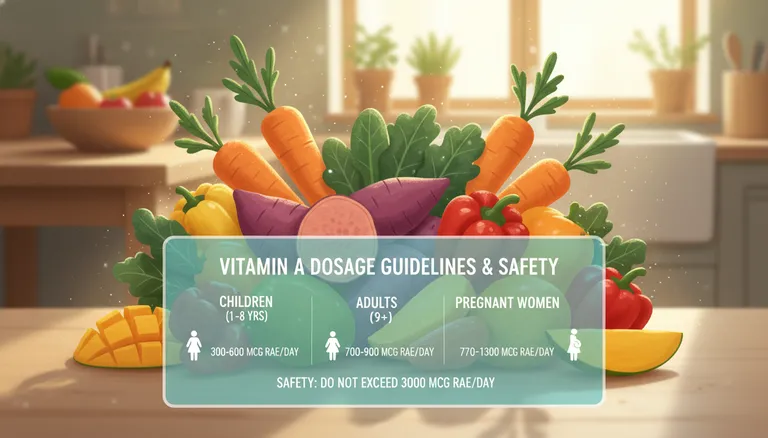
Recommended Dietary Allowance (RDA) for Different Age Groups
Health experts set specific daily intake goals. For males aged 14 and older, the RDA is 900 micrograms. Females in the same age group need about 700 micrograms each day. [1]
These values are designed to support all the essential functions of retinol. They help maintain vision, skin integrity, and a strong immune system.
Recognizing the Signs of Overconsumption
More is not always better. Taking high doses vitamin A supplements can cause serious illness over time.
Chronic poisoning may occur in adults who regularly take more than 33,000 IU per day. This can lead to potential liver damage and other health issues.
It’s wise to consult a healthcare provider before starting any new supplement regimen. They can help ensure your intake stays within safe limits.
Dietary Sources of Vitamin A
Meeting your daily requirement for this key nutrient is simple when you know which foods are packed with it. A colorful mix of animal and plant-based options can easily cover your needs. [11]
Focus on including a variety of these items in your weekly meals. This strategy ensures you get both preformed retinol and provitamin A carotenoids.
Rich Animal-Based Sources
Animal products contain retinol, the active form your body uses right away. Beef liver is an incredibly rich source. A single 4-ounce serving provides over 5,600 micrograms. [10]
Dairy products like fortified milk and cheese are excellent choices. They are common in the American diet and contribute significantly to daily intake.
Plant-Based Sources and Carotenoids
Brightly colored fruits and vegetables are loaded with carotenoids. Your body converts these into the active nutrient.
One large baked sweet potato offers about 1,190 micrograms. A single large carrot provides over 600 micrograms. [8]
Dark green leafy vegetables, such as spinach, are also fantastic. For best absorption, enjoy these foods with a little healthy fat, like olive oil.
Eating a diverse range of these foods is a tasty and effective way to support your health.
Vitamin A Supplements: When and Why They Are Used
When dietary intake falls short or certain health conditions arise, turning to supplements may be recommended by healthcare professionals. While it’s ideal to get enough of this nutrient through a balanced diet, some people require vitamin supplements for specific medical reasons.
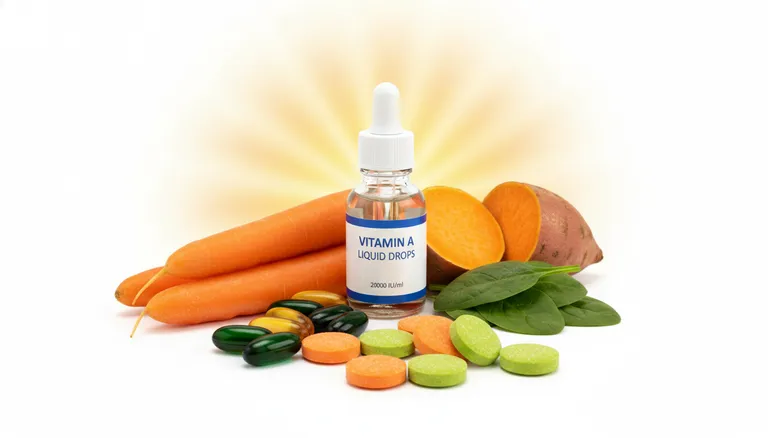
For instance, oral vitamin A is a standard treatment for measles in children with low levels. It is also used to manage severe dry eye syndrome.
People with digestive disorders like celiac or Crohn’s disease often use vitamin A supplements. These conditions can impair nutrient absorption from food.
Supplement Forms and Their Absorption
Common vitamin supplements contain preformed retinol compounds. These are typically retinyl acetate or retinyl palmitate.
Your body can use these forms immediately. They do not require conversion like the carotenoids from plants.
However, research indicates the body absorbs this nutrient best from whole foods. The synergy of other compounds in food enhances uptake. [12]
Synthetic supplements are useful for correcting deficiencies quickly. But they should not replace a diverse diet long-term.
| Supplement Form | Common Use | Key Note |
|---|---|---|
| Retinyl Acetate | General deficiency correction | A stable, preformed compound readily used by the body. |
| Retinyl Palmitate | Fortified foods and supplements | Another preformed type, often found in multivitamins. |
| Beta-Carotene (Provitamin A) | Dietary supplement from plants | Must be converted; considered a safer option as the body regulates conversion. |
“Supplements can fill a gap, but they work best alongside a nutrient-rich diet, not as a substitute for it.”
Always consult a doctor before starting any new supplement regimen. They can determine if you need it and recommend the proper dosage.
Identifying Vitamin A Deficiency
A deficiency in this fat-soluble nutrient, while uncommon in developed nations, poses a significant global health challenge. Healthcare providers identify it by measuring serum retinol levels in the blood.
Common Deficiency Symptoms and Risk Factors
Two key thresholds define the shortage. A subclinical deficiency is marked by serum retinol below 0.70 μmol/L. Severe deficiency is diagnosed when levels fall under 0.35 μmol/L.
Early signs include dry, scaly skin and trouble seeing in dim light, known as night blindness. If ignored, it can progress to xerophthalmia, a serious eye condition.
Certain groups face a higher risk. People with conditions like cystic fibrosis have impaired fat absorption. This makes it hard for their bodies to use the nutrient properly.
The World Health Organization flags a severe public health problem when deficiency affects 20% or more of a population. Prolonged insufficiency can lead to irreversible corneal damage and blindness. [6] [7]
| Serum Retinol Level | Deficiency Status | Key Implications |
|---|---|---|
| <0.70 μmol/L | Subclinical Deficiency | Early warning; may not show obvious symptoms. |
| <0.35 μmol/L | Severe Deficiency | High risk of night blindness and xerophthalmia. |
| A population prevalence exceeding 20% is considered a severe public health problem by global health authorities. | ||
Recognizing these symptoms and risk factors early is vital. Consulting a healthcare provider can help address a potential vitamin deficiency before it causes lasting harm. Understanding nutritional gaps and their effects on immune health can help you take preventive action.
Understanding Vitamin A Side Effects and Toxicity
Toxicity from overconsumption is a real risk with this powerful nutrient, especially from supplements. Knowing the signs of too much is just as important as recognizing a shortage. The side effects can range from uncomfortable to dangerous.
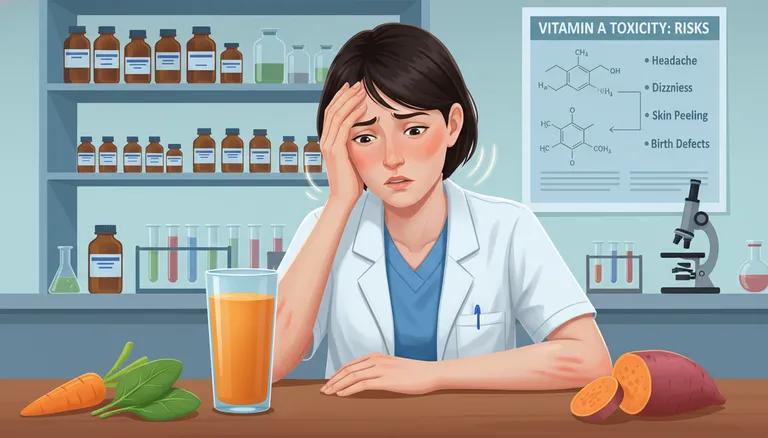
Acute Versus Chronic Overdose Effects
There are two main types of poisoning. Acute vitamin A poisoning happens from a single, massive dose. This often involves several hundred thousand International Units (IUs) taken at once.
It can trigger severe headaches, nausea, and dizziness. In extreme cases, it may even lead to potential liver damage.
Chronic toxicity develops slowly from daily high doses. Health issues arise when an adult regularly consumes more than 33,000 IU per day over time. [9]
This can vitamin cause long-term problems like bone pain, hair loss, and peeling skin. Children and babies are more sensitive, making the side effects potentially life-threatening for them.
| Type of Toxicity | Common Cause | Key Symptoms |
|---|---|---|
| Acute Poisoning | Single massive dose (hundreds of thousands of IUs) | Severe headache, nausea, dizziness, risk of liver damage |
| Chronic Poisoning | Daily high intake (>33,000 IU/day for adults) | Bone pain, hair loss, skin peeling, long-term organ stress |
It’s good to know that high amounts of beta-carotene from plants are different. They won’t cause serious illness. However, they can turn the skin a harmless yellow-orange color, a condition called carotenemia.
Always talk to a doctor before taking high-dose supplements. They can help you stay within safe limits. The same applies to vitamin E as a complementary fat-soluble antioxidant.
Vitamin A in Different Populations
Children and pregnant women have unique nutritional considerations that demand careful attention. Their needs differ from the general adult population due to growth and development requirements.
Special Considerations for Children and Pregnant Women
Young ones who don’t get enough of this nutrient may face stunted growth. They can also experience developmental delays during their formative years.
Global health organizations promote supplementation programs in areas where deficiency is common. This helps protect vulnerable populations from serious health consequences.
Expectant mothers need about 770 micrograms daily. This intake supports fetal lung maturation and overall development.
However, large doses of preformed vitamin A can cause birth defects. These may include abnormalities of the eyes and heart.
Preterm newborns often have lower nutrient status. Supplementation may help reduce chronic lung disease in these infants.
Pregnant people should monitor their intake carefully. This balances supporting healthy fetal development while avoiding potential risks.
Nutrient Interactions with Vitamin A
Certain medications and mineral deficiencies can significantly affect how your body processes and uses this nutrient. These interactions are important to understand for optimal health.
The Impact of Zinc and Iron on Vitamin A Metabolism
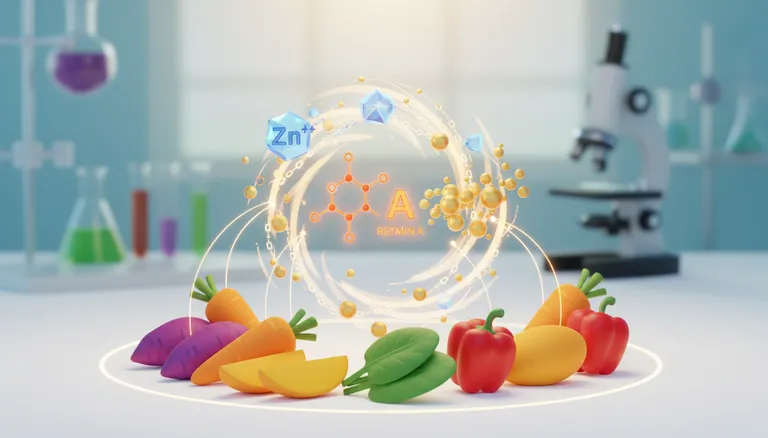
Zinc plays a key role in metabolizing this essential compound. A zinc shortage decreases retinol-binding protein synthesis. [14]
This protein transports the nutrient through your body. Without enough zinc, your cells may not get what they need.
Iron deficiency often occurs alongside low vitamin A levels. Studies show taking both nutrients together reduces anemia more effectively.
This combination improves hemoglobin concentrations in people with anemia.
Medications That May Interact with Vitamin A
Some drugs can interfere with absorption of this fat-soluble nutrient. Weight loss medications like Orlistat are common examples.
Healthcare professionals should monitor intake if you take these drugs. This helps avoid potential deficiencies.
Chronic diseases affecting digestion also alter nutrient processing. This increases the risk of secondary shortages.
For children, combined vitamin A and iron supplements work best. They address anemia better than either nutrient alone.
Being aware of these interactions helps people manage their health. It reduces the risk of unexpected nutrient problems.
Practical Tips for Getting Enough Vitamin A Daily
Meeting your daily needs for this essential nutrient doesn’t have to be complicated or rely on pills. You can build a solid foundation through smart food choices and simple habits.
Focus on eating a rainbow of colorful fruits and vegetables. This is the safest and most effective way to get enough vitamin A for optimal health. [13]
Sweet potatoes, carrots, and dark leafy greens are fantastic food sources. Pair them with a little healthy fat, like olive oil, to help your body absorb the nutrients.
If you choose to take vitamin A in supplement form, always consult a doctor first. They can guide you on safe dosage to avoid exceeding upper limits. See our guide on building a balanced daily supplement routine for a complete approach.
Prioritize plant-based beta-carotene supplements when possible. They carry a lower risk of toxicity compared to preformed retinol pills.
| Strategy | Key Action | Primary Benefit |
|---|---|---|
| Food-First Approach | Incorporate diverse food sources like fortified dairy, eggs, and orange veggies. | Provides a complex mix of nutrients and fiber safely. |
| Supplemental Support | Take vitamin A only under medical guidance for specific deficiencies. | Addresses gaps without the risks of chronic overconsumption. |
| Planning weekly meals around these strategies makes it simple to get enough vitamin A consistently. | ||
Building these habits into your routine supports long-term wellness. A balanced diet rich in natural food sources is your best bet.
Conclusion
Ultimately, prioritizing a diet rich in diverse food sources is your safest path to reaping this nutrient’s rewards. It plays a fundamental role in maintaining vision, immune function, and skin integrity for all people. [15]
While a serious shortage is rare in the United States, maintaining a balanced diet remains the best way to support your body. This approach minimizes any potential health risk.
Always consult with a medical professional before starting any new supplement regimen. This step helps you avoid the risk of toxicity or unwanted side effects. The experts at Porter Ranch Medical Center can guide you safely.
By choosing a variety of nutrient-dense foods, you can easily meet your daily requirements. This supports long-term wellness throughout your life.
Understanding the balance between preformed and provitamin sources empowers you. You can make informed decisions for your overall well-being and vitality.
Frequently Asked Questions
What exactly is this nutrient and why is it so important for my body?
It’s a fat-soluble compound crucial for many bodily functions. It’s vital for maintaining good vision, especially in low light, and supports a healthy immune system to fight off infections. It also plays a key role in keeping your skin and the lining of your organs healthy.
What are the best foods to eat to get enough of this important nutrient?
You can find it in two main forms in your diet. Preformed types come from animal products like liver, fish oils, eggs, and fortified dairy like milk. Provitamin A carotenoids, like beta-carotene, come from colorful fruits and veggies such as sweet potatoes, carrots, spinach, and red peppers.
How can I tell if I might not be getting enough from my diet?
A lack of this nutrient can show up in several ways. Early signs often include night blindness or trouble seeing in dim light. You might also experience very dry skin, be more prone to infections, or have issues with growth and development in children.
Can taking too many supplements be harmful?
Yes, overconsumption, mainly from high-dose pills or cod liver oil, can cause serious side effects. This is called hypervitaminosis A. Symptoms can range from dizziness and nausea to liver damage, increased pressure on the brain, and even birth defects if taken in high amounts during pregnancy.
Who is most at risk for not getting enough of this essential compound?
Individuals in developing nations with limited food variety are at high risk. Young children and pregnant women are also vulnerable groups. People with conditions that affect fat absorption, like Crohn’s disease, may struggle to utilize the nutrient properly from their food.
Are there special considerations for children or expecting mothers?
Absolutely. For kids, a deficiency can weaken their immune response, making illnesses like measles more severe. For pregnant women, getting the right amount is critical—too little can cause issues, but extremely high doses from supplements can lead to serious congenital disabilities.
How do other minerals in my diet affect how my body uses this vitamin?
Zinc and iron have a big impact. Your body needs adequate zinc to transport and use the nutrient efficiently. A lack of iron can also worsen the effects of a deficiency. Some medications, like certain weight-loss drugs or acne treatments like isotretinoin, can also interact with it.
When should someone consider taking a supplement?
Supplements are typically recommended by a doctor to correct a diagnosed shortfall. They might be used in areas where deficiency diseases are common or for individuals with specific medical conditions that prevent proper absorption from food. It’s best to get it from your diet whenever possible.
Sources
- [1] NIH Office of Dietary Supplements — Vitamin A and Carotenoids
- [2] Linus Pauling Institute — Vitamin A
- [3] Saari JC — Vitamin A and vision (PMC3936685)
- [4] Huang Z et al. — Role of vitamin A in the immune system
- [5] Sorg O et al. — Retinoids in skin care and dermatology (PMC6791191)
- [6] West KP Jr — Vitamin A deficiency: its epidemiology and relationship to child mortality
- [7] Stevens GA et al. — Global prevalence of vitamin A deficiency in populations (PMC6162863)
- [8] Remedy’s Nutrition — How to Support Your Skin (Your Body’s Biggest Organ)
- [9] Tang G — Bioconversion of dietary provitamin A carotenoids to vitamin A
- [10] Penniston KL, Tanumihardjo SA — Vitamin A toxicity
- [11] USDA FoodData Central
- [12] Healthline — Vitamin A: Benefits, Deficiency, Toxicity and More
- [13] WebMD — Vitamin A: Uses, Side Effects, Dosage
- [14] Harvard T.H. Chan School of Public Health — Vitamin A
- [15] Medical News Today — What is vitamin A, and why do we need it?