
Have you ever wondered what gives you the energy to power through your day? A key player is a nutrient called niacin. It’s one of the eight essential B vitamins, each with a special job in keeping your body running smoothly.
This vital nutrient helps convert the food you eat into usable fuel. It also plays a critical role in supporting your nervous system, digestive health, and even the condition of your skin. Understanding how much you need is important for overall wellness.
History shows us what happens without enough of it. The disease pellagra was a major public health issue before scientists identified niacin as the cure. Today, research explores both the benefits and potential risks of taking high amounts in supplement form.
A notable 2024 study has even suggested a possible link between very high intake and certain cardiovascular concerns. This highlights why a balanced approach is so crucial.
This guide will walk you through everything from the best food sources to the recommended daily amounts. Most importantly, we’ll stress the need to talk with a doctor before making any changes to your supplement routine.
Quick Answer: Vitamin B3 (niacin) is an essential water-soluble B vitamin that powers cellular energy production, supports skin, nervous system, and digestive health, and helps build NAD coenzymes critical for hundreds of biochemical reactions. Adults need 14–16 mg daily from foods like tuna, chicken, peanuts, and fortified grains. High-dose supplementation can raise HDL cholesterol but carries cardiovascular and liver risks — always consult a healthcare provider before using therapeutic doses.
Key Takeaways
- Niacin is an essential B-vitamin that helps your body turn food into energy.
- It supports the health of your nervous system, skin, and digestive tract.
- A lack of this nutrient historically caused the disease pellagra.
- Modern science is examining both the benefits and risks of high-dose supplementation.
- Recent research indicates possible heart health concerns with excessive intake.
- Getting niacin from a variety of whole foods is a safe and effective strategy.
- Always consult a healthcare professional before starting any new supplement.
Introduction to Vitamin B3 and Its Importance
Back in the early 1900s, scientists believed ‘vitamin B’ was just one compound. This understanding changed completely as research progressed.
We now know there are eight distinct B vitamins. Each one has a unique job in keeping your body running smoothly., including vitamin B6 and the B-vitamin complex.
Overview of B Vitamins
That early discovery was a major breakthrough. Researchers found that what they thought was a single nutrient was actually a complex group.
These eight vitamins work together like a team. They support everything from creating energy to building new cells.
Why Niacin is Essential for Health
Niacin plays a central role in this team. It is a key player in metabolic processes that turn the food you eat into usable fuel.
Maintaining good levels of this nutrient is crucial for general health. Your body depends on it for more than just energy. [1]
It is critical for the ongoing care of your nervous system and digestive system. It also helps maintain the condition of your skin.
This complexity shows why a balanced diet is the best strategy. Eating a variety of whole foods supports your overall physical well-being effectively.
What is Vitamin B3 (Niacin)?
The discovery that niacin deficiency causes pellagra was a landmark moment in nutritional science. This debilitating condition, marked by severe skin issues, was once common.
Today, pellagra is rare in the United States. Niacin is an FDA-approved treatment for this deficiency.

So, what exactly is this nutrient? Niacin is a water-soluble vitamin that serves as a direct building block for NAD. [2]
NAD is a coenzyme required for human life and cellular metabolism. Your body can also make a small amount from the amino acid tryptophan.
Dietary intake is still the primary way to meet your daily needs. It’s important to know that not all forms of this nutrient are the same.
Different forms have distinct biological activities and effects on the body. The table below highlights the key differences.
| Form | Primary Use / Effect | Key Consideration |
|---|---|---|
| Nicotinic Acid | Often used for cholesterol management; can cause skin flushing. | Available in prescription and high-dose supplement forms. |
| Nicotinamide | Common in skincare and general supplements; does not cause flushing. | Typically used to support skin health and cellular function. |
For most people, getting niacin from a varied diet is the safest and most effective approach.
Health Benefits of Vitamin B3
More than 400 different enzymes in your body rely on niacin to perform their daily tasks, from generating energy to repairing DNA. This nutrient acts as a vital coenzyme, making countless biochemical reactions possible.
Its wide-ranging health effects touch nearly every system. Getting enough is key for feeling your best.
Energy Production and Metabolism
Niacin is a powerhouse for your cells. It helps convert the carbs, fats, and proteins from your meals into usable fuel. [3]
This process supports the Krebs cycle and glycolysis. These are the core pathways of cellular metabolism.
The nutrient also provides antioxidant effects. It plays a direct role in creating and fixing your DNA every single day.
Support for Skin, Nervous, and Digestive Systems
Regular intake does wonders for your skin. It helps maintain its structure and overall appearance. [7] Combined with vitamin C for skin health and collagen synthesis, this supports a comprehensive skin strategy.
Your nervous and digestive systems depend on it, too. Sufficient levels help them function smoothly, avoiding the problems linked to a shortage. [9]
These diverse biological roles show why niacin is a cornerstone of human nutrition. It’s essential for keeping your whole body in balance.
Recommended Dosage and Dietary Reference Intake
There’s a big difference between the amount your body needs daily and the doses found in some supplements. Official guidelines help you navigate this safely, ensuring you get enough without going overboard.
Daily Recommended Amounts and Safety Limits
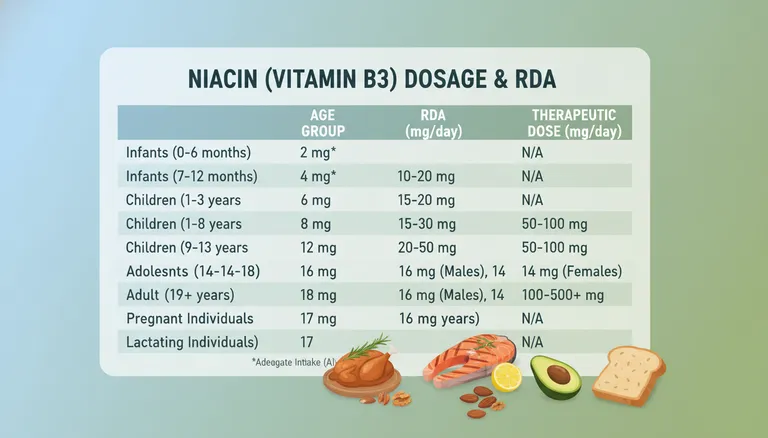
For optimal health, experts set a Recommended Dietary Allowance. This RDA is 16 milligrams of niacin equivalents for adult men. Women require 14 milligrams daily.
Needs change during pregnancy and breastfeeding. Pregnant individuals should aim for 18 milligrams. The target is 17 milligrams for those who are nursing.
Safety is paramount. The Tolerable Upper Intake Level is 35 milligrams for all adults. This UL is the maximum daily amount considered safe.
Prescription vs. Over-the-Counter Dosages
Doctors may prescribe this nutrient for specific conditions. These medical doses can reach 2,000 milligrams. Such high amounts require strict monitoring by a physician.
Over-the-counter supplements often contain levels far above the standard RDA. Taking these without guidance can lead to uncomfortable side effects. Always consult a healthcare professional before starting any new supplement regimen.
Food Sources Rich in Niacin
Meeting your daily niacin needs is easier than you might think, thanks to a wide variety of delicious foods. You can find this essential nutrient in both animal products and plant-based items, making it simple to include in any diet. [12] Understanding nutritional gaps that affect energy and metabolism can guide your dietary planning.
Animal-Based Sources
Many common meats are excellent providers of niacin. A typical serving of beef, pork, or poultry offers a solid 5 to 10 milligrams.
Seafood is a true superstar in this category. Yellowfin tuna stands out, packing a remarkable 22.1 milligrams per 100-gram portion. This makes it one of the most concentrated natural foods available. [10]
Plant-Based and Fortified Foods
For those who don’t eat meat, plenty of great options exist. Peanuts, lentils, brown rice, and sunflower seeds are all essential for maintaining good levels.
Many countries add niacin to wheat flour to prevent deficiency. This means common items like fortified breads and breakfast cereals contribute to public health. A key note: in some grains, the nutrient is bound, making it less available unless the grain is specially treated.
| Food Source | Approximate Niacin per Serving | Key Notes |
|---|---|---|
| Yellowfin Tuna | 22.1 mg (per 100g) | One of the most potent natural sources. |
| Chicken Breast | ~8.5 mg (3 oz cooked) | A lean, high-protein option. |
| Peanuts | ~4.2 mg (1 oz) | A convenient, plant-based snack. |
| Fortified Cereal | Varies; often 5-10 mg | Check the nutrition label for exact amounts. |
| Brown Rice | ~2.6 mg (1 cup cooked) | Bioavailability increases if parboiled. |
Understanding Niacin Deficiency and Pellagra
Pellagra, a disease marked by distinctive skin changes, is the classic sign of a profound niacin deficiency. While uncommon in modern diets, it serves as a stark reminder of what happens when the body is deprived of this essential nutrient.

The condition doesn’t just affect the skin. It impacts the entire body, leading to a range of serious health problems if left untreated.
Signs, Symptoms, and Health Risks
A severe niacin deficiency causes pellagra. One hallmark is a dark, scaly rash that appears on skin exposed to sunlight. [6]
Digestive distress is another major symptom. This often includes persistent diarrhea, which can worsen malnutrition.
The mental effects are equally concerning. People may experience irritability, anxiety, and memory loss. In advanced cases, this can progress to confusion or dementia.
Groups Most Vulnerable to Deficiency
Chronic alcohol misuse is a primary risk factor. It severely hampers the body’s ability to absorb vital nutrients.
Individuals with very limited diets are also at high risk. This is especially true in areas where corn, which has low natural niacin availability, is a staple food.
For treatment, the World Health Organization recommends a specific protocol. A daily dose of 300 milligrams of nicotinamide for several weeks can resolve skin symptoms and correct the deficiency.
Niacin’s Role in Cholesterol and Heart Health
The relationship between niacin and heart health is complex, with both benefits and risks emerging from recent studies. For decades, this nutrient has been examined for its potential impact on blood lipids.
Understanding how it interacts with your cardiovascular system is key to making informed choices.
Impact on HDL, LDL, and Triglycerides
Clinical research shows niacin can positively influence cholesterol profiles. It is known to effectively boost levels of good HDL cholesterol. [5]
Simultaneously, it helps lower triglycerides and can modestly reduce bad LDL cholesterol. These effects made it a point of interest for managing certain lipid disorders. Learn how omega-3 fatty acids and cardiovascular support also affect lipid profiles.
Despite these benefits, a 2024 study published in the United States revealed a concerning link. Excess intake was associated with a higher risk of developing heart disease. [4]
Researchers found that breaking down high amounts of niacin triggers inflammation. This process can damage blood vessels and increase overall cardiovascular risk.
Because of these findings, doctors strongly advise against self-treatment. Using high-dose, over-the-counter supplements for cholesterol management without supervision is not recommended.
Ongoing studies continue to evaluate the complex relationship between niacin metabolism and the long-term progression of cardiovascular disease.
Managing Side Effects: Flushing and Other Reactions
The journey with therapeutic niacin often begins with navigating its most common side effect: a warm, red flush. While high doses can offer benefits, they may also trigger various physical reactions. Understanding these side effects is the first step to managing them safely and comfortably.

Strategies to Reduce Flushing
This flushing reaction involves redness and a warm sensation in the face and neck. It is harmless but can be surprising. Fortunately, simple strategies can help minimize this discomfort. [8] [11]
- Taking a low-dose aspirin about 30 minutes before your supplement can significantly reduce the intensity of the flush.
- Starting with a very low amount and increasing it slowly over weeks allows your body to adjust and may cause flushing less often.
- Always take your niacin with a meal or snack, as this can also help prevent an upset stomach.
Potential Gastrointestinal and Liver Concerns
Beyond flushing, very high doses—ranging from 2,000 to 6,000 mg per day—pose serious risks. Stomach upset is a frequent gastrointestinal complaint.
The most severe concern is liver toxicity. Cases of serious liver injury have been linked to long-term use of several grams daily. If you experience rapid heartbeat, dizziness, or severe itching, seek medical help immediately. These can be signs of a dangerous reaction.
Niacin Supplements vs. Dietary Intake
When you walk down the supplement aisle, you’ll find several different types of niacin on the shelf. These products offer a concentrated dose, but they work differently than getting this nutrient from food.
Understanding the specific form you’re taking is crucial for managing expectations and side effects.
Comparing Nicotinic Acid and Nicotinamide
The two most common supplement forms are nicotinic acid and nicotinamide. They have distinct pharmacological profiles.
Nicotinic acid is the form often used for its lipid-modifying effects. A notable downside is that it frequently causes the familiar skin flushing reaction.
In contrast, nicotinamide does not cause flushing. This makes it the preferred choice for treating a diagnosed deficiency safely and comfortably.
You might also see “flush-free” options like inositol hexanicotinate. Current clinical evidence does not strongly support using this form for managing cholesterol.
Always check your supplement label carefully. The biological impact of nicotinic acid versus nicotinamide is significantly different.
Choosing the right form depends on your health goals. A conversation with your doctor is the best first step before starting any new regimen.
Scientific Research and Emerging Insights
Beyond its classic roles, niacin is now a focal point in research on cognitive decline and cardiovascular disease. Modern science is shifting from simply preventing deficiency to understanding its long-term systemic effects.
Latest Studies on Cardiovascular and Cognitive Health
Recent studies explore niacin’s potential to help prevent memory loss and dementia. More clinical trials are needed to confirm these possible benefits for brain health.
A 2021 investigation involving Chinese adults revealed a distinct finding. Increased dietary intake was linked to lower blood pressure in people with hypertension.
Scientists are also probing nicotinamide riboside. This form of the nutrient, identified in 2004, may uniquely influence cellular metabolism.
The table below contrasts historical and modern research directions.
| Research Focus | Key Finding | Year/Note |
|---|---|---|
| Pellagra Prevention | Niacin deficiency causes the disease. | Historical |
| Cardiovascular Health | Very high intake may increase heart disease risk. | 2024 Study |
| Cognitive Health | Potential link to lower dementia risk. | Ongoing |
| Blood Pressure | Associated with lower BP in hypertensive adults. | 2021 Study |
| Nicotinamide Riboside | Impacts cellular metabolism. | Identified 2004 |
These emerging insights show niacin is a complex molecule with wide-ranging effects. Ongoing research continues to uncover its full story. [13]
Special Considerations for Pregnancy and Other Health Conditions
While niacin is essential for everyone, certain life stages and medical conditions demand a more tailored approach. Your personal health history is the most important factor in deciding how to meet your needs safely.
Consulting Healthcare Professionals for Dosage Adjustments
Getting medical advice is non-negotiable. Requirements change during pregnancy and breastfeeding. People with ongoing health issues also need specific guidance.
Extra caution is vital for individuals managing certain conditions. This is especially true before starting any new supplements.
- Pregnant or nursing individuals must talk to their provider, as their nutritional needs are different.
- Those with diabetes, kidney disease, or gout should be very careful with high-dose niacin.
High amounts can impair glucose tolerance. This poses a real risk for blood sugar management.
Niacin can also interact with common medications, like blood thinners. A professional review prevents problems.
For most people, getting this nutrient from a balanced diet is the safest path to good health. Always consult your doctor to adjust your supplements and intake correctly.
Vitamin B3 in Food Fortification and Public Health Impact
The silent success story of modern nutrition lies in the mandatory addition of nutrients like niacin to flour. As of 2020, 54 countries require wheat flour to be fortified with this essential vitamin.
This public health strategy directly tackles widespread dietary gaps. It ensures even people with limited food choices get vital nutrients.

The United States has been a leader in this effort. In 1942, the U.S. government officially adopted the term “niacin.” This helped the public distinguish it from the unrelated and toxic substance nicotine.
Fortification programs have made pellagra rare in the modern United States. Adding niacin to staple foods like bread and cereal provides a reliable safety net.
Fortification is a proven, cost-effective method for preventing micronutrient deficiencies on a population scale.
Ongoing monitoring is crucial. It ensures total dietary intake from natural foods and fortified products stays within safe limits for all age groups.
| Region/Country Example | Fortification Policy | Primary Fortified Food | Key Public Health Impact |
|---|---|---|---|
| United States & Canada | Mandatory for enriched flour | Wheat flour, bread, pasta | Virtual elimination of pellagra |
| Many Latin American nations | Mandatory | Wheat and maize flour | Reduced deficiency rates in at-risk populations |
| Select countries in Africa & Asia | Mandatory or voluntary programs | Wheat flour, cooking oil | Improving baseline nutrient status |
This table shows how a simple step protects community health. Getting enough niacin from food is now easier for millions.
Conclusion
The story of niacin teaches us that more is not always better when it comes to vitamins and supplements. This essential nutrient is fundamental for your body’s energy, cell repair, and nervous system function.
A balanced diet rich in meats, fish, and fortified grains typically provides all the niacin you need. High-dose supplements should only be used with direct medical guidance. For a safer approach, explore our guide on building a complete daily supplement stack.
Recent studies suggest a link between very high intake and an increased risk of heart disease. This reinforces why caution with over-the-counter products is so important.
For your long-term health, prioritize getting nutrients from whole foods. Always consult your doctor before starting any new regimen, especially if managing chronic conditions. [14] The team at Porter Ranch Medical Center can provide personalized guidance.
Frequently Asked Questions
What does niacin do for my body?
Niacin is a key player in turning the food you eat into usable energy. It also helps keep your skin, nervous system, and digestive tract healthy. Some research shows it can support heart health by improving cholesterol levels.
How much should I get from my diet each day?
For most adult men, the recommended amount is 16 milligrams daily, while women need about 14 mg. These are the Dietary Reference Intakes (DRIs) set by health authorities. It’s best to meet this through food, but supplements can help if you have a shortfall.
I don’t eat meat. What are good plant-based sources?
Excellent plant-based options include peanuts, lentils, mushrooms, and avocados. Many breakfast cereals and breads are also fortified with this essential nutrient, making it easier to get enough on a vegetarian or vegan diet.
What are the signs of a serious deficiency?
A severe shortage can lead to a condition called pellagra. Key symptoms include a rough, sunburned-looking rash, digestive issues like diarrhea, and mental confusion or dementia. If you experience these, consult a healthcare professional immediately.
Can it really help with high cholesterol?
Yes, prescription-strength nicotinic acid has been shown to improve cholesterol profiles. It can raise “good” HDL cholesterol and lower “bad” LDL cholesterol and triglycerides. However, this treatment requires medical supervision due to potential side effects.
Why does the supplement cause skin flushing, and how can I stop it?
Flushing happens because nicotinic acid widens your blood vessels. To reduce this common reaction, try taking it with food, starting with a low dose and increasing slowly, or using a timed-release formula. Taking a low-dose aspirin beforehand can also help many people.
Are there any risks from taking too much?
Very high doses, especially from supplements, can cause problems. These include liver damage, stomach upset, and impaired glucose control. Always stay within the Tolerable Upper Intake Level of 35 mg per day for adults unless directed otherwise by a doctor.
What’s the difference between nicotinic acid and nicotinamide?
Both are forms of this essential vitamin. Nicotinic acid is the type that can improve cholesterol but may cause flushing. Nicotinamide doesn’t affect cholesterol or cause flushing and is often used in skincare products and for treating pellagra.
Sources
- [1] NIH Office of Dietary Supplements — Niacin
- [2] Linus Pauling Institute — Niacin
- [3] Cantó C et al. — NAD+ metabolism and the control of energy homeostasis
- [4] Lavigne PM, Karas RH — Current state of niacin in cardiovascular disease prevention (PMC4013785)
- [5] Remedy’s Nutrition — How B Vitamins Can Improve Your Health
- [6] Brown BG et al. — Niacin and simvastatin to raise HDL cholesterol
- [7] Wan P et al. — Pellagra: a review with emphasis on photosensitivity
- [8] Gehring W — Nicotinic acid/niacinamide and the skin
- [9] Kamanna VS et al. — The mechanism and mitigation of niacin-induced flushing
- [10] Gasperi V et al. — Niacin in the central nervous system (PMC4167397)
- [11] USDA FoodData Central
- [12] Healthline — Niacin (Vitamin B3): Benefits, Side Effects, and Dosage
- [13] Harvard T.H. Chan School of Public Health — Niacin (Vitamin B3)
- [14] Medical News Today — What is niacin, and what are its benefits?