
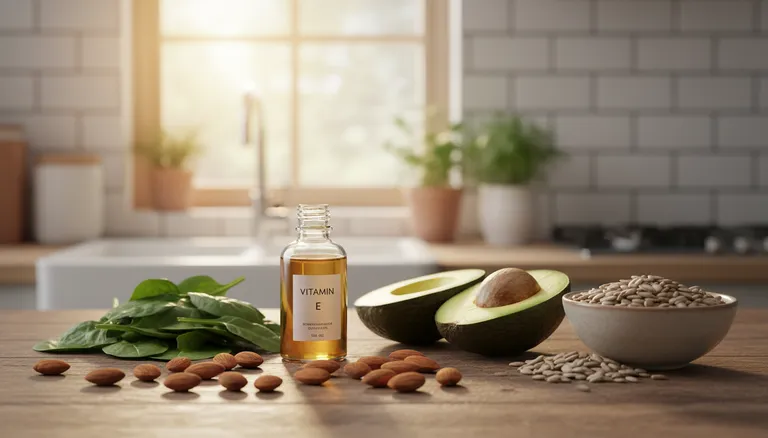
Your body needs essential nutrients to stay healthy. Vitamin E is a key antioxidant that protects your cells every day. It’s a fat-soluble vitamin that fights off damage from free radicals.
You can find vitamin E in many foods and as a supplement. The antioxidant vitamin comes in eight forms, but only one—alpha-tocopherol—is what your body needs.
Learning about vitamin E helps you make better health choices. This guide covers daily needs, food sources, and more. It’s packed with practical tips you can use today.
Whether you want to boost your immune system or protect your skin, you’ll find the answers here. They’re presented in a way that’s easy to understand.
◈ Quick Answer: What You Need to Know About Vitamin E
Vitamin E is a fat-soluble antioxidant that protects cells from oxidative damage. Adults need 15 mg (22 IU) daily. Best food sources: sunflower seeds, almonds, hazelnuts, and spinach. Deficiency is rare but causes nerve and muscle damage. Always take with dietary fat for absorption. Supplementation above 400 IU/day is not recommended unless directed by a doctor.
Key Takeaways
- This essential nutrient acts as a powerful antioxidant that protects your cells from free radical damage throughout your body
- Alpha-tocopherol is the only form among eight chemical variants that your body recognizes and uses effectively
- You can obtain this fat-soluble nutrient naturally through foods, fortified products, or dietary supplements
- Getting adequate amounts supports your immune system, skin health, and overall cellular protection
- Understanding proper dosage and recognizing deficiency signs helps you maintain optimal health levels
- The best food sources include nuts, seeds, vegetable oils, and leafy green vegetables
What Is Vitamin E and Why Does Your Body Need It?
Your body needs Vitamin E for many important functions. It helps you what vitamins you should take daily, full of energy, and protects your cells from damage. This nutrient is key for your vision, skin health, blood flow, and brain function. Without enough Vitamin E, your body can’t fight off cell damage.[1]
Cells face a big challenge from free radicals. These unstable molecules harm healthy cells. They form from breathing, digesting food, and outside sources you meet every day.
Your body is hit by free radicals from many places, including:
- Cigarette smoke and air pollution
- UV radiation from sun exposure
- Industrial chemicals and pesticides
- Normal metabolic processes that convert food to energy
Vitamin E acts as a strong antioxidant. It stops free radicals from harming your cells. It’s like a cellular security system. As a fat-soluble vitamin, it protects fats in your cell membranes. This helps prevent heart disease and some cancers.
Vitamin E benefits also boost your immune function. Your immune system needs it to fight infections and diseases. Studies show Vitamin E helps immune cells work better together.
Vitamin E also helps with cell signaling. It lets cells talk to each other and send important messages. It affects how genes work, touching many body systems, like blood vessels and the brain.
Your liver and fatty tissues store Vitamin E for later use. This means eating foods rich in Vitamin E regularly keeps your levels healthy. The vitamin E benefits you get depend on getting enough through food or supplements. This keeps your cells safe from daily threats.
The Different Forms of Vitamin E
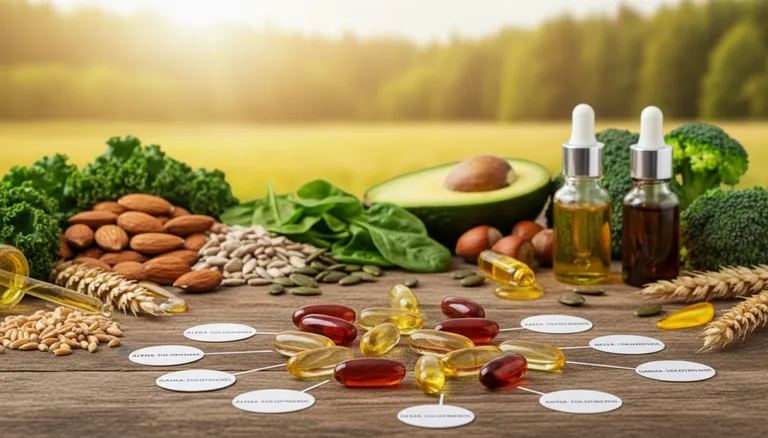
Nature gives us eight different types of vitamin E, each with its own role. These types are split into two families: tocopherols and tocotrienols. Each family has four members named after Greek letters—alpha, beta, gamma, and delta.[2]
When you eat foods high in vitamin E, you get a mix of these forms. But your body doesn’t treat them all the same. This choice is crucial for your health.
Two Main Families: Structure and Function
Tocopherols and tocotrienols differ in their molecular structure. Tocopherols have a saturated side chain, while tocotrienols have an unsaturated side chain with three double bonds. This difference affects how they work in your body.
Both families protect against oxidation, but in different ways. Tocotrienols might get into tissues better than tocopherols. Yet, tocopherols are more studied and recognized for meeting our nutritional needs.
Your small intestine absorbs all eight forms. But your liver decides which forms stay in your system.
Why Your Body Prefers One Form Over Others
After absorption, all forms go to your liver for processing. Your liver has a protein called the hepatic alpha-tocopherol transfer protein. This protein favors alpha-tocopherol, releasing it back into your bloodstream.
The other seven forms don’t get this special treatment. Your liver breaks down and removes beta, gamma, and delta versions of both tocopherols and tocotrienols. This is why alpha-tocopherol levels stay high in your blood and tissues.
All official dietary guidelines focus on alpha-tocopherol. It’s the only form recognized for meeting our needs. Scientists have studied it a lot, showing its importance for health.
Interestingly, Americans usually eat more gamma-tocopherol than alpha-tocopherol. This is mainly from vegetable oils like soybean, canola, and corn oil. Your body can convert some gamma-tocopherol to alpha, but most is lost. This shows why knowing about vitamin E forms is key for good nutrition.
How Vitamin E Works as an Antioxidant
Your body fights off damage every day, and vitamin E is a key player. It protects your cells from harmful molecules. This makes vitamin E crucial for your health.[3]
Vitamin E is fat-soluble, which gives it a special advantage. It sits in your cell membranes, made of fats. This is like having a guard at the door to stop threats.
Vitamin E’s antioxidant properties help it stop dangerous molecules. When fats in your body oxidize, they create harmful substances. These can start a chain reaction of damage in your cells.
Your body makes ROS (reactive oxygen species) as you metabolize food. While some ROS are needed, too much can overwhelm your defenses.
Free radicals are like sparks that can start a fire of damage. Vitamin E acts like a fire extinguisher, stopping oxidation. It neutralizes these molecules and protects your DNA, proteins, and cell membranes.
External factors also challenge your body’s defenses. Vitamin E must neutralize free radicals from environmental exposures.
Common sources of environmental free radicals include:
- Cigarette smoke from direct smoking or secondhand exposure
- Air pollution from vehicles, industry, and urban environments
- UV radiation from sun exposure and tanning beds
- Chemical exposures from pesticides and industrial compounds
Without enough antioxidants, your body faces oxidative stress. This happens when free radicals outnumber your body’s defenses. It can lead to premature aging and cellular dysfunction.
Vitamin E is effective because it neutralizes free radicals and reduces their production. This two-pronged defense system offers comprehensive protection.
Scientists study how vitamin E might prevent chronic diseases. Conditions linked to oxidative stress include heart disease, some cancers, and neurodegenerative disorders like Alzheimer’s.
The body’s ability to manage ROS depends on antioxidants. Vitamin E works with vitamin C and selenium to defend against free radicals. Together, they keep the balance between free radical production and neutralization.
Your lifestyle choices affect oxidative damage. Regular exercise, enough sleep, and managing stress influence ROS production. With proper vitamin E intake, these habits help protect your body.
Vitamin E Benefits for Your Health
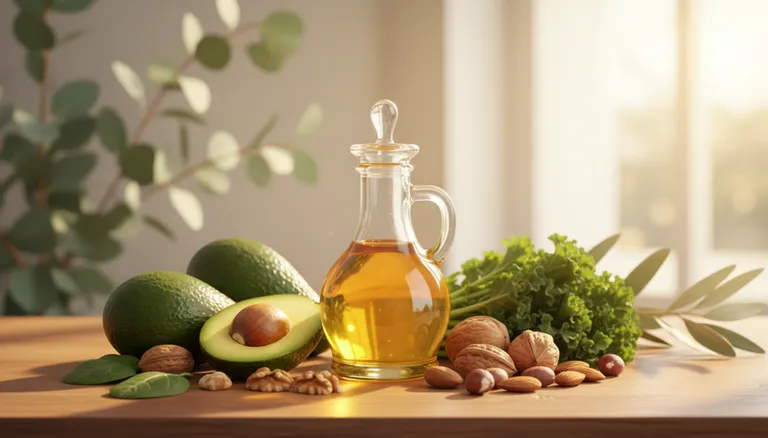
Vitamin E is key for keeping you healthy. It boosts your immune system and protects your heart. This nutrient supports many body functions, from circulation to brain health.[17][4]
Studies show vitamin E’s role in long-term wellness. Knowing these benefits highlights why keeping vitamin E levels right is crucial for your health.
Supporting Your Body’s Natural Defenses
As you age, vitamin E and immunity become more important. Your immune function naturally weakens, making good nutrition vital. Vitamin E boosts your immune cells’ fight against infections and illness.
This nutrient enhances immune cell activity. It supports T-cells, key to your immune response. People with enough vitamin E tend to have better immune reactions to vaccines and infections.
Your body’s fight against pathogens relies on vitamin E. It regulates immune cell signaling and reduces harmful inflammation.
Protecting Your Heart and Blood Vessels
The link between vitamin E and heart health is strong. Vitamin E helps your blood vessel cells work better. This makes them less prone to damage from harmful substances.
Vitamin E supports cardiovascular protection in several ways. It improves blood vessel function and reduces the risk of blood clots. These effects help keep your circulation healthy.
| Body System | Vitamin E Function | Primary Benefit | Research Evidence |
|---|---|---|---|
| Immune System | Enhances T-cell activity and immune response | Better defense against infections | Improved immune function in elderly adults |
| Cardiovascular System | Protects endothelial cells and prevents clotting | Reduced heart disease risk | Enhanced blood vessel function and circulation |
| Eyes and Vision | Protects against oxidative damage in retina | Slows AMD progression | AREDS trial showed benefits for high-risk individuals |
| Brain and Cognition | Shields neurons from oxidative stress | Maintains cognitive function | Associated with lower dementia risk in studies |
Preserving Your Vision as You Age
Your eyes face constant damage from light. Vitamin E protects them from this damage. It’s key for preventing age-related macular degeneration (AMD), a leading cause of vision loss in older adults.
The AREDS trial showed that vitamin E combined with vitamin C, beta carotene, and zinc slows AMD progression. This combination didn’t prevent cataracts, and vitamin E alone didn’t show the same benefits.
This research supports a comprehensive antioxidant approach for eye health. If you’re worried about AMD, this study suggests a combination supplement under medical guidance.
Maintaining Mental Sharpness
Your brain has high levels of fatty acids that are vulnerable to damage. Vitamin E protects brain cells from oxidative stress. This protection may help keep your mind sharp over time.
Studies suggest vitamin E supplements, with vitamin C, may improve cognitive function. They may also lower the risk of Alzheimer’s disease and other dementias. Vitamin E’s antioxidant properties protect brain cells from damage.
While more research is needed, current evidence supports vitamin E’s role in brain health. Its benefits are most clear when part of a healthy diet.
Vitamin E Benefits for Skin and Beauty
Vitamin E is a superstar in vitamin C for skin health and immunity, offering strong antioxidant protection and nourishment for all skin types. It’s found naturally in your skin’s oil layer, acting as a moisturizer and shield against environmental harm. Knowing how vitamin E benefits your skin can guide your diet and beauty routine choices.[5]
Research and years of cosmetic experience show vitamin E’s role in skin health and beauty. Dermatologists often suggest using it through diet and topical applications for the best outcomes.
Fighting the Clock with Antioxidant Power
As you age, free radicals attack your skin, speeding up aging signs. Vitamin E’s antioxidants fight this damage, reducing fine lines and wrinkles. Younger skin has more natural oils with vitamin E, but this decreases with age.
This decline leads to dryness, loss of elasticity, and wrinkles. Anti-aging products with vitamin E help replace what’s lost. This makes your skin softer and more elastic, better protected against environmental stress.
Combining vitamin E with vitamin C in products can offer even better results. These antioxidants work together to protect your skin from aging.
Shielding Your Skin from Harmful Rays
UV protection is crucial for outdoor or indoor time. Sun, tanning beds, and indoor lights quickly deplete vitamin E in your skin. This leads to free radicals that harm skin cells and speed up aging.
Vitamin E products offer some protection against UV damage, but they’re not enough. It’s vital to understand their limits. Vitamin E is not a substitute for sunscreen, shade, and protective clothing.
Vitamin E alone can’t prevent sunburn or skin cancer. It’s a helpful addition to your sun protection, not a replacement. Some studies suggest it also helps protect against sun damage from the inside.
Deep Moisture and Natural Healing
Vitamin E is great for moisturizing, found in lotions, creams, serums, and oils. It helps with dry, flaky, or irritated skin by restoring moisture and creating a barrier. It supports natural oil production and prevents moisture loss.
But, not everyone benefits equally from vitamin E moisturizers. If you have oily or acne-prone skin, heavy products might clog pores. Lighter formulas or dietary sources might be better for these skin types.
Vitamin E also aids in skin healing. It may help with wound healing, reducing scars, and calming inflammation. Many use it on stretch marks, surgical scars, and damaged skin, though results vary.
| Skincare Benefit | How Vitamin E Works | Best Application Method | Expected Results |
|---|---|---|---|
| Anti-Aging | Neutralizes free radicals that cause wrinkles and fine lines | Daily topical serums or creams combined with dietary sources | Gradual improvement in skin texture and elasticity over 8-12 weeks |
| UV Protection | Reduces oxidative stress from sun exposure | Morning application before sunscreen, plus vitamin E-rich foods | Enhanced defense against sun damage when used with SPF 30+ |
| Moisturization | Strengthens skin barrier and prevents water loss | Apply to damp skin after cleansing, specially at night | Improved hydration and reduced dryness within 2-4 weeks |
| Healing Support | Supports cell regeneration and reduces inflammation | Gentle massage into affected areas twice daily | Faster healing of minor wounds and potential scar reduction |
Eating vitamin E-rich foods supports your skin’s health from within. This complements your skincare routine. Combining diet and topical products gives the best results for healthy, beautiful skin at any age.
Recommended Vitamin E Dosage by Age and Gender
Vitamin E needs vary by age, gender, and life situation. Knowing your RDA helps keep you healthy and protects against free radicals. These guidelines are simple to follow once you know where you fit in.[16][6]
Health groups set these levels after studying alpha-tocopherol blood levels. They check how well red blood cells fight damage. This ensures the guidelines work for almost all healthy people.
What Adults Need Every Day
Adults over 14 need 15 milligrams (mg) of alpha-tocopherol daily. This is true for both men and women. It covers about 97-98% of the healthy population’s needs.
This amount is designed to keep your body’s defenses strong. It doesn’t matter if you’re a student, working, or retired. Your gender doesn’t change this amount either.
Growing Bodies Have Different Needs
Children and teens need more vitamin E as they grow. Their needs increase with age to support their growing bodies. Infants need the least, while teens reach adult levels.
The table below shows how much vitamin E kids need at each age:
| Age Group | Daily Amount | Measurement Type |
|---|---|---|
| 0–6 months | 4 mg | AI (Adequate Intake) |
| 7–12 months | 5 mg | AI (Adequate Intake) |
| 1–3 years | 6 mg | RDA |
| 4–8 years | 7 mg | RDA |
| 9–13 years | 11 mg | RDA |
Infants have AI levels because there’s not enough data for precise RDAs. These are based on what healthy breastfed babies get. By 14, kids jump to the adult amount of 15 mg.
Pregnancy and Breastfeeding Change Your Needs
Pregnancy doesn’t increase vitamin E needs. Pregnant women still need 15 mg daily. Your body manages vitamin E well during pregnancy.
But, breastfeeding increases your needs to 19 mg (28 IU) daily. This ensures you and your baby get enough vitamin E through breast milk.
This extra 4 mg is crucial for your baby’s immune system, brain, and growth. It makes a big difference in the nutrition your baby gets from breast milk.
Best Food Sources of Vitamin E
Getting vitamin E from food is easier than you might think. There are many delicious options available. Many vitamin E sources are already in your pantry or fridge, ready to boost your nutrition.[7]
Incorporating vitamin E foods into your diet is simple. Adding almonds to your morning or using sunflower oil in salads can make a big difference. Knowing which foods are the most nutritious helps you make better choices.
Powerhouse Nuts and Seeds
Nuts and seeds are top choices for vitamin E. Sunflower seeds are nutritional superstars, with 7.4 mg per ounce. That’s almost half your daily need in just a small handful!
Almonds come close, with 6.8 mg per ounce, about 45% of your daily value. They’re great as snacks, salad toppings, or in yogurt and oatmeal. Their mild flavor and crunch make them easy to add to any meal.
Hazelnuts offer 4.3 mg per ounce, another good choice for vitamin E. They add depth to dishes. Peanuts and peanut butter also contribute, with peanuts giving 2.2 mg per ounce and peanut butter 2.9 mg in two tablespoons.
A quarter-cup of sunflower seeds gives over 80% of your daily vitamin E. They’re one of the most efficient dietary sources.
Oil Options That Deliver
Vegetable oils are also great sources of vitamin E. Wheat germ oil is the champion, with 20.3 mg per tablespoon. That’s your whole daily need in one tablespoon!
Sunflower oil has 5.6 mg per tablespoon, and safflower oil 4.6 mg. These oils are perfect for cooking and baking. Even olive oil, known for its heart health, adds about 2 mg per tablespoon to your vitamin E intake.
Using these oils in your cooking is an easy way to boost your nutrition. Drizzle them on veggies, use in dressings, or in baking. Their fat helps your body absorb vitamin E better.
Fresh Produce Picks
Fruits and vegetables have less vitamin E than nuts and oils but still offer valuable amounts. Green leafy veggies like spinach and broccoli are leaders, with spinach giving 1.9 mg per half-cup cooked and broccoli 1.2 mg.
Avocados are top fruits, with 1.5 mg per half fruit. They’re creamy and healthy, adding fats and vitamin E to your meals. Mangoes and kiwifruit each offer about 1.1 mg, adding tropical flavors to your diet.
Even common veggies like tomatoes contribute, with one medium raw tomato giving 0.7 mg. While less than nuts and oils, they add up quickly. These foods also bring many other nutrients and antioxidants.
Enhanced and Fortified Products
Fortified foods and cereals are another way to get vitamin E, helping those who struggle to get enough. Many breakfast cereals have vitamin E added, providing 25-50% of your daily value per serving.
When shopping for fortified products, check the labels. The amount of added vitamin E varies. Some fortified plant-based milk alternatives also have extra vitamin E, good for vegans and those with dairy sensitivities.
Fortified foods should supplement a balanced diet, not be the main source. They help fill nutritional gaps but shouldn’t replace whole foods. Combining fortified items with natural sources like nuts and seeds is the best approach.
| Food Source | Serving Size | Vitamin E Content | % Daily Value |
|---|---|---|---|
| Wheat Germ Oil | 1 tablespoon | 20.3 mg | 135% |
| Sunflower Seeds | 1 ounce (dry roasted) | 7.4 mg | 49% |
| Almonds | 1 ounce (dry roasted) | 6.8 mg | 45% |
| Sunflower Oil | 1 tablespoon | 5.6 mg | 37% |
| Safflower Oil | 1 tablespoon | 4.6 mg | 31% |
Building a diet rich in vitamin E is easy when you know the best foods. Mix nuts, oils, and produce for varied, satisfying meals. A simple handful of almonds, a spinach salad with sunflower oil, and avocado slices at dinner can meet your daily needs.
The beauty of natural vitamin E sources is their versatility and accessibility. You don’t need exotic ingredients or complicated recipes to nourish your body. Simple, wholesome choices made consistently throughout the week provide all the vitamin E your body needs to thrive.
Signs and Symptoms of Vitamin E Deficiency
Vitamin E Deficiency: 4 Systems Affected
Symptoms typically appear after prolonged fat malabsorption or genetic disorders
🧠 Nervous System
- Peripheral neuropathy
- Numbness & tingling in hands/feet
- Burning sensations
- Loss of temperature sensitivity
💪 Muscles & Coordination
- Muscle weakness (myopathy)
- Ataxia (loss of body control)
- Difficulty walking
- Slower reflexes
👁 Vision
- Retinal damage (retinopathy)
- Thinning of retinal cell layers
- Gradual vision deterioration
- Increased light sensitivity
🛡 Immune System
- Weakened T-cell response
- Increased infection frequency
- Slower wound healing
- Reduced antibody production
At risk: people with fat malabsorption (Crohn’s, celiac, cystic fibrosis), premature infants, and those on very low-fat diets
Your body sends clear signals when vitamin E levels drop too low. Knowing these signs can help you act fast before problems get worse. While vitamin E deficiency is rare in healthy people, it’s important to recognize the warning signs.[8]
These symptoms can range from mild discomfort to serious health issues. They affect your daily life.
Healthy individuals who eat typical diets don’t usually face vitamin E deficiency. But, if it happens, it can cause big problems. Your nervous system, muscles, eyes, and immune system need vitamin E to stay healthy.
Nerve Damage and Sensory Changes
Neurological problems are often the first signs of vitamin E deficiency. Peripheral neuropathy is a common issue, damaging nerves all over your body. It usually starts in your hands and feet, causing uncomfortable feelings.
The deficiency symptoms include numbness, tingling, and burning sensations. These feelings can make daily activities hard.
Nerve cells are very sensitive to damage. Without enough vitamin E, they can break down over time. You might also have trouble feeling temperature changes or textures.
Loss of Physical Control and Strength
Muscle weakness and coordination issues are also signs of vitamin E deficiency. Ataxia, or loss of body movement control, is a big warning sign. It makes simple movements hard and unpredictable.
People with these deficiency symptoms often notice physical changes. They might have trouble walking, be more clumsy, or have slower reflexes. They may also feel weak in their muscles.
Skeletal myopathy, or muscle disease, happens because muscles and nerves need vitamin E. Simple tasks can feel very tiring.
Problems with Sight
Vision problems are a serious side effect of vitamin E deficiency. Retinopathy damages your retina, which is key for seeing. Without enough vitamin E, your retina is at risk of damage.
Early signs of vision problems might seem small at first. You might see things less clearly or have trouble in certain lights. But, if not treated, retinopathy can lead to serious vision loss.
Weakened Body Defense System
Immune system problems are another big concern with vitamin E deficiency. Your immune system needs vitamin E to fight off infections. Without enough, it can’t protect you as well.
You might get sick more often or take longer to get better. Vitamin E helps your immune cells work right and protects them from damage. Without it, your body can’t fight off infections as well.
Recognizing these deficiency symptoms early is key. If you notice nerve problems, coordination issues, or vision changes, see your doctor. They can check your vitamin E levels and help you get better.
Who Is at Risk for Vitamin E Deficiency?
Not everyone is at the same risk for vitamin E deficiency. Certain vitamin D deficiency and immune health make some people more likely to be deficient. If you’re healthy and eat well, you likely get enough vitamin E. But, some medical issues and genetics can raise your risk.[9]
Knowing your risk helps you take steps to prevent it. Let’s look at who should watch their vitamin E levels closely.
Digestive and Absorption Challenges
Vitamin E needs fat to be absorbed. People with fat malabsorption disorders are at high risk. Their bodies can’t process fats well.
Crohn’s disease damages the gut and hinders nutrient absorption. Symptoms like greasy stools or diarrhea indicate poor fat absorption.
Cystic fibrosis makes fat digestion hard because of low digestive enzymes. This genetic disorder affects many organs and makes it hard to absorb fat-soluble vitamins like vitamin E.
Other conditions that increase your risk include:
- Chronic pancreatitis – reduces enzyme production needed for fat breakdown
- Celiac disease – damages intestinal villi when gluten is consumed, impairing absorption
- Liver disorders – problems with bile production or secretion prevent proper fat digestion
- Short bowel syndrome – reduces the intestinal surface area available for nutrient absorption
Premature babies weighing less than 1,500 grams are also at risk. They haven’t built up enough vitamin E in the womb. They often need supplements under medical care.
People on very low-fat diets might also have low vitamin E levels. Without enough dietary fat, even healthy people struggle to absorb this fat-soluble vitamin.
Rare Inherited Conditions
Two rare genetic disorders significantly increase vitamin E deficiency risk. These conditions are uncommon but serious.
Abetalipoproteinemia is a rare disorder where the body can’t absorb dietary fats. People with this condition need huge amounts of vitamin E, up to 10 grams daily. Without these high doses, they face severe neurological problems.
Ataxia with Vitamin E Deficiency (AVED) is another rare disorder. It affects the liver’s ability to transport vitamin E. Even with enough vitamin E, people with AVED can’t maintain proper levels.
Both conditions require lifelong medical care and special treatment plans. If you have a family history of neurological symptoms or movement disorders, genetic testing might find these conditions.
Working with healthcare providers is key for those at high risk. Regular checks and supplements can prevent serious vitamin E deficiency complications.
How to Test for Vitamin E Deficiency

If you think you might have a vitamin E deficiency, getting tested is easy. Your doctor can order a blood test to check your alpha-tocopherol levels. This test gives you a clear picture of your vitamin E levels.[10]
The test involves taking blood from a vein in your arm. A technician will collect the blood and send it for analysis. They look at the serum levels of alpha-tocopherol, the most active form of vitamin E in your body.
Your liver is key in keeping vitamin E levels right. It picks out alpha-tocopherol from other forms of vitamin E. This ensures only the best form of vitamin E is in your blood.
Doctors use this test to see if you have enough vitamin E. Normal levels are between 5 to 20 micrograms per milliliter (mcg/mL). But, these numbers can change slightly depending on the lab.
Your doctor might suggest this test if you have certain symptoms. These include muscle weakness, vision problems, or trouble with coordination. They also test people with conditions that make it hard to absorb fats.
Who should consider getting tested? Several groups might need vitamin E testing:
- People with fat malabsorption disorders like Crohn’s disease or cystic fibrosis
- Those with unexplained neurological symptoms
- Premature infants who are at higher risk for deficiency
- Individuals with genetic disorders affecting vitamin E metabolism
- Anyone with persistent muscle weakness or vision problems
When your results come back, your doctor will look at them closely. Serum levels below the normal range mean you have a deficiency. They will then find out why and suggest treatment.
Treatment usually means taking vitamin E supplements. Your doctor might also check your diet and overall nutrition.
Some things can affect your test results. Inflammation and high cholesterol can change vitamin E measurements. So, your doctor might look at other health markers too.
The test is quick and usually doesn’t hurt much. Most people feel only a little discomfort. Results come back in a few days, helping your doctor plan treatment if needed.
Vitamin E Supplements: Types and Considerations
Not all vitamin E supplements are the same. Knowing what to look for can greatly impact your health. The aisle is full of choices, each with its own label and formula. Understanding the differences helps you pick the best product for your money.[11]
When choosing vitamin E supplements, two things matter most. First, whether it’s natural or synthetic vitamin E. Second, the supplement’s form. Both affect how well your body uses the nutrient.
The Difference Between Natural and Synthetic Forms
The label on your vitamin E bottle tells you a lot. Natural vitamin E comes from plants and is labeled as d-alpha-tocopherol. The “d” means it’s the natural kind, known as RRR-alpha-tocopherol.
Synthetic vitamin E, made in labs, is labeled as dl-alpha-tocopherol. The “dl” tells you it’s made in a lab. It’s called all rac-alpha-tocopherol.
The big difference is that natural vitamin E is about twice as potent as synthetic. Your body uses natural vitamin E much better. For example, 100 mg of synthetic vitamin E is about as effective as 50 mg of natural vitamin E.
Why is there such a big difference? Synthetic vitamin E has eight different forms, but your body can only use half of them well. Natural vitamin E has only one form that your body can easily use.
“The natural form of vitamin E is more bioavailable and better retained in tissues compared to its synthetic counterpart, making it the preferred choice for supplementation.”
This means you need to look at both the form and amount when comparing products. Sometimes, a lower dose of natural vitamin E can be more beneficial than a higher dose of synthetic.
Selecting the Best Supplement Format
Vitamin E supplements come in different formats. Most basic products have only alpha-tocopherol and provide at least 67 mg, which equals 100 IU of natural vitamin E. This amount is more than what adults need daily.
Some products offer mixed tocopherols, which include beta, gamma, and delta forms along with alpha-tocopherol. These formulas are more like what you find in whole foods. A few premium supplements even include tocotrienols, giving you the full range of vitamin E compounds.
| Supplement Type | Components | Best For |
|---|---|---|
| Alpha-Tocopherol Only | Single form of vitamin E | Basic supplementation, most affordable option |
| Mixed Tocopherols | Alpha, beta, gamma, and delta tocopherols | Comprehensive coverage, mimics food sources |
| Full Spectrum | All tocopherols plus tocotrienols | Maximum diversity, research applications |
| Esterified Forms | Tocopheryl acetate or succinate | Longer shelf life, protected antioxidant properties |
Many products use esterified forms like alpha-tocopheryl acetate or alpha-tocopheryl succinate. Don’t be scared by these names. Esterification just means the vitamin has been modified to last longer and keep its antioxidant properties better.
Your body can easily break down and absorb these forms. The change only affects how well the vitamin stays good during storage, not how well your body uses it.
When picking a supplement, think about your goals and budget. Alpha-tocopherol is good for general health. For more benefits or specific health needs, consider mixed tocopherols or full-spectrum products.
Always choose natural vitamin E (d-alpha-tocopherol) over synthetic if you can. It’s more potent and better for your body, even if it costs a bit more. Make sure to check the label carefully—some products use synthetic vitamin E but don’t say so on the front.
How to Maximize Vitamin E Absorption
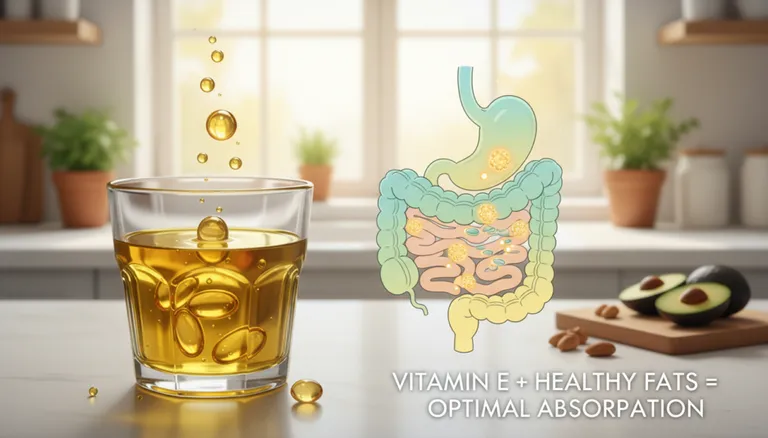
Getting the most out of vitamin E isn’t just about how much you eat. It’s about how well your body absorbs it. Whether from food or supplements, certain tips can boost absorption. Knowing how vitamin E is absorbed helps you choose the best times and ways to take it.[12]
Good news: making vitamin E absorption better doesn’t need to be hard. Simple changes in your diet and when you take supplements can make a big difference.
The Role of Dietary Fat
Vitamin E needs dietary fat to be absorbed. As a fat-soluble vitamin, it dissolves in fat, not water. So, your body can’t process it without some fat in your meal.
Eating fat triggers your gallbladder to release bile into your small intestine. This bile breaks down fat into tiny droplets. These droplets carry fat-soluble vitamins like vitamin E into your body’s tissues.
Without enough fat, vitamin E is wasted. Even if you eat foods rich in vitamin E or take supplements, you won’t get the benefits. This is why people with fat-absorption problems are at risk of deficiency.
You don’t need a lot of fat. A small amount of healthy fat is enough. Here are some easy ways to add fat to your vitamin E intake:
- Add a handful of almonds or walnuts to your salad
- Drizzle olive oil or avocado oil on vegetables
- Include half an avocado with your meal
- Eat a small portion of fatty fish like salmon or mackerel
- Spread peanut butter or almond butter on whole grain toast
Many foods rich in vitamin E also have fat. Nuts, seeds, and vegetable oils are great for absorption because they have both the vitamin and the fat needed.
Best Time to Take Vitamin E
When you take vitamin E matters a lot. The best time is after a meal or snack with some fat. This ensures the vitamin gets absorbed properly.
Don’t take vitamin E on an empty stomach or with no fat. Your body can’t absorb it well, making the supplement useless.
Many find taking fat-soluble vitamins with their biggest meal of the day works best. This meal usually has more fat, helping absorption. But any meal with some fat will do.
Here are some practical timing strategies to consider:
- Take vitamin E with breakfast if you eat eggs, yogurt, or nut butter
- Pair it with lunch that includes oil-based salad dressing or cheese
- Consume it with dinner featuring fish, chicken with skin, or olive oil-cooked vegetables
- Take it after a snack of nuts, cheese, or whole milk
Being consistent is key. Taking your vitamin E at the same time each day helps you remember. Many suggest taking it with dinner since you naturally eat more fat then.
Avoid taking vitamin E late at night on an empty stomach. Absorption will suffer, and some might feel digestive discomfort. Taking it with a meal prevents these issues and maximizes benefits.
Vitamin E Interactions with Medications
If you’re on vitamin K and bone health meds, vitamin E interactions could pose health risks. This nutrient might not mix well with certain drugs. Always check with your doctor before adding vitamin E supplements to your routine.[13]
Tell your healthcare provider about any supplements you’re thinking of taking. The risks vary based on the drug, dosage, and your health. Here are key drug interactions to know.
Anticoagulants and Platelet Medications
The biggest vitamin E interactions are with blood thinners. Vitamin E can slow blood clotting. This is dangerous with drugs like warfarin and aspirin.
High doses of vitamin E can make these blood thinners too strong. This increases the risk of bleeding too much.
Look out for signs like easy bruising and bleeding gums. Internal bleeding is very serious and needs immediate help. If you’re on blood thinners, don’t start vitamin E without your doctor’s okay.
Before surgery, you might be asked to stop taking vitamin E. This lowers the risk of bleeding during and after surgery.
Cancer Treatment Considerations
Vitamin E and cancer treatments are complex. Chemotherapy and radiation therapy use free radicals to kill cancer cells. Vitamin E, being an antioxidant, might interfere with these treatments.
Some worry that high doses of antioxidants could protect cancer cells. But research is mixed. Some studies suggest antioxidants might help reduce side effects without harming treatment results.
Always talk to your oncologist before taking vitamin E during cancer treatment. They can decide if it’s safe for you.
Cholesterol Medications and Other Common Drugs
Statins, like Lipitor, are used to lower cholesterol. Vitamin E might make them less effective, but research is not clear.
Vitamin E can also interact with antidepressants and antipsychotics. Beta-blockers for high blood pressure might work differently too.
These medication interactions don’t mean you can’t take vitamin E. But you need a doctor’s guidance. They can adjust dosages or suggest monitoring to keep you safe.
| Medication Type | Common Examples | Interaction Risk | Recommended Action |
|---|---|---|---|
| Anticoagulants | Warfarin, Clopidogrel, Aspirin, Heparin | High – Increased bleeding risk | Avoid without doctor approval; monitor INR levels closely |
| Chemotherapy Drugs | Doxorubicin, Cyclophosphamide, Cisplatin | Moderate – May reduce treatment effectiveness | Consult oncologist before use during treatment |
| Statins | Atorvastatin, Simvastatin, Rosuvastatin | Low to Moderate – Possible reduced drug effectiveness | Discuss timing and dosage with healthcare provider |
| Beta-Blockers | Metoprolol, Atenolol, Propranolol | Low – Potential altered drug metabolism | Monitor blood pressure regularly |
| Antidepressants | SSRIs, MAOIs, Tricyclics | Low – Possible interaction with drug metabolism | Inform psychiatrist about supplement use |
Knowing about vitamin E interactions helps avoid serious problems. Always be open with your healthcare team about supplements. They can give you personalized advice based on your health and meds.
Even natural supplements can affect your body a lot. Treat vitamin E with the same care as prescription drugs. This way, you can enjoy its benefits while staying safe.
Can You Take Too Much Vitamin E?
Many think you can’t overdose on vitamin E because it’s natural. But, this isn’t true for supplements. Foods with vitamin E are safe, but supplements can be too much. Knowing the right amount helps avoid health issues while getting benefits.[14]
Foods have vitamin E in amounts your body can handle. But, supplements have high doses that can be too much if not careful.
Safe Limits and Potential Toxicity
Health experts set a safe upper limit for vitamin E supplements. For adults, it’s 1,000 mg daily, or about 1,465 IU of alpha-tocopherol.
Children need less, and the safe amount increases as they get older. Here’s what you need to know:
| Age Group | Upper Limit (mg/day) | Upper Limit (IU/day) |
|---|---|---|
| 1-3 years | 200 mg | ~300 IU |
| 4-8 years | 300 mg | ~450 IU |
| 9-13 years | 600 mg | ~900 IU |
| 14-18 years | 800 mg | ~1,200 IU |
| 19+ years | 1,000 mg | ~1,465 IU |
These limits are for supplements and fortified foods, not natural food vitamin E. It’s hard to get too much from food. Too much can increase bleeding risk, which is a big concern, even more so if you’re on blood thinners.
Warning Signs of Too Much Vitamin E
Too much vitamin E can cause problems. You might get nausea, diarrhea, or stomach cramps. These symptoms can last until you cut back on supplements.
Other signs include:
- Persistent fatigue and weakness
- Frequent headaches
- Blurred vision or visual disturbances
- Unexplained skin rashes or irritation
These symptoms usually go away when you stop taking too much. But, some effects are more serious. A big study found men taking 400 IU of synthetic vitamin E daily had a 17% increased risk of prostate cancer. This was even though 400 IU is below the safe limit.
This finding has made doctors more careful with vitamin E supplements. It shows that just because something is natural, more isn’t always better. The best thing to do is follow the recommended doses and get vitamin E from foods whenever you can.
Practical Tips for Getting Enough Vitamin E Daily
Getting enough vitamin E is easy without expensive supplements or hard meal plans. Just a few building a balanced daily wellness routine in your diet can help. Knowing which foods are rich in vitamin E and how to add them to your meals is key.[15]
Start with nuts and seeds as your go-to snack. One ounce of almonds or sunflower seeds gives you nearly half your daily vitamin E. Keep a container at your desk for easy snacking.
Sprinkle sunflower seeds on salads, yogurt, or oatmeal for extra nutrition. Spread almond or peanut butter on whole-grain toast or fruit slices. These small changes make a big difference in your vitamin E intake.
Cooking oils rich in vitamin E are another easy solution. Use sunflower oil, safflower oil, or olive oil instead of butter. These oils not only add vitamin E but also healthy fats for better absorption.
Make your own salad dressings with these oils instead of store-bought ones. Just one tablespoon of sunflower oil on roasted vegetables gives you over a third of your daily vitamin E.
Green leafy vegetables are essential for your daily vitamin E. Spinach, kale, Swiss chard, and collard greens are all good sources. Aim for at least one serving a day.
Add these greens to smoothies, salads, or sauté them as a side dish. You can also mix them into pasta dishes, soups, or omelets.
Don’t overlook avocados in your vitamin E diet. This fruit is rich in vitamin E and healthy fats for better absorption. Add sliced avocado to sandwiches, make guacamole, or blend it into smoothies for creaminess.
| Food Category | Specific Foods | Easy Ways to Add Them | Vitamin E Benefit |
|---|---|---|---|
| Nuts and Seeds | Almonds, sunflower seeds, hazelnuts | Snack containers, salad toppings, nut butters | 1 oz provides ~50% daily value |
| Cooking Oils | Sunflower oil, safflower oil, olive oil | Cooking, salad dressings, drizzling | 1 tbsp provides ~35% daily value |
| Leafy Greens | Spinach, kale, Swiss chard | Smoothies, salads, sautéed sides | 1 cup provides ~10-15% daily value |
| Fruits | Avocado, mango, kiwi | Sandwiches, smoothies, snacks | 1 avocado provides ~20% daily value |
If you’re on a very low-fat diet, talk to your doctor about supplements. You need enough fat to absorb vitamin E, so very restrictive diets might need extra help.
The American Heart Association suggests getting antioxidants like vitamin E from a balanced diet. Foods like vegetable oils, nuts, seeds, and green vegetables are great sources of vitamin E naturally.
A well-balanced diet high in fruits, vegetables, and whole grains provides antioxidants including vitamin E more effectively than supplements.
Remember, variety is your best friend when it comes to vitamin E. Whole foods offer a mix of nutrients that work well together. You get vitamin E, other vitamins, minerals, fiber, and beneficial plant compounds.
Here are quick vitamin E tips for busy schedules:
- Prep snack-size portions of almonds or mixed nuts for the week
- Keep a bottle of sunflower oil handy for quick cooking
- Wash and store leafy greens so they’re ready to use
- Buy pre-sliced avocado if fresh prep time is limited
- Choose fortified cereals for breakfast as a backup option
If you’re worried about getting enough vitamin E or have trouble absorbing nutrients, talk to a registered dietitian or doctor. They can give you personalized advice based on your health needs.
Track your intake for a few days to see where you stand. Many free nutrition apps can help you monitor your vitamin E consumption. This awareness helps you spot gaps and make better choices.
With these tips, getting enough vitamin E becomes a natural part of your healthy eating routine. Focus on enjoying whole, nutrient-dense foods, and you’ll likely exceed your daily requirements without even trying.
Conclusion
Understanding vitamin E importance helps you make trusted nutrition and wellness guidance for your health. This key nutrient guards your cells and boosts your overall health. It’s crucial for staying healthy and active.[18]
Most people can get enough vitamin E without special diets or expensive supplements. Just a few simple changes can help. Try adding almonds to your breakfast or using sunflower oil on your salad. Eating spinach or broccoli with dinner also helps.
Your body needs essential nutrients like vitamin E to work well. Adults need about 15 mg of it every day. You can get this from foods like nuts, seeds, oils, and leafy greens. These foods offer more than just vitamin E.
If you think you might not have enough vitamin E or have trouble absorbing it, talk to your doctor. They can check if you need more and suggest the right steps. It’s important to not take too much, as it can cause problems.
The main point about vitamin E is clear: it protects your cells, boosts your immune system, and helps you stay healthy for a long time. Eat a variety of foods rich in vitamin E to support your health now and in the future.
Frequently Asked Questions
What is the recommended daily amount of Vitamin E for adults?▼
Adults need 15 milligrams (mg) of alpha-tocopherol daily. This is about 22 International Units (IU). Both men and women need this amount. If you’re breastfeeding, you need 19 mg daily.
Pregnancy doesn’t increase Vitamin E needs. You just need 15 mg daily.
Can I get enough Vitamin E from food alone, or do I need supplements?▼
Most people can get enough Vitamin E from food. Foods like almonds, sunflower seeds, and spinach are great sources. Just one ounce of almonds gives you nearly half your daily Vitamin E.
Supplements are only needed for certain health issues. These include Crohn’s disease or cystic fibrosis.
What’s the difference between natural and synthetic Vitamin E supplements?▼
Natural Vitamin E comes from plants and is labeled as “d-alpha-tocopherol”. Synthetic Vitamin E is made in labs and labeled as “dl-alpha-tocopherol”. Natural Vitamin E is more potent than synthetic.
For example, 100 mg of synthetic Vitamin E is about as effective as 50 mg of natural Vitamin E.
What are the most common signs of Vitamin E deficiency?▼
Vitamin E deficiency can cause serious symptoms. These include numbness, muscle weakness, and vision problems. It can also weaken your immune system.
But true deficiency is rare in healthy people with a typical diet.
Can Vitamin E help reduce wrinkles and improve skin appearance?▼
Vitamin E may help fight signs of aging like wrinkles. It’s found naturally in your skin’s oil layer. As you age, your skin loses Vitamin E, leading to dryness.
Many skincare products include Vitamin E to help. But remember, it works best with sun protection and hydration.
Should I take Vitamin E supplements with food?▼
Yes, take Vitamin E supplements with a meal or snack that has fat. Your body can’t absorb Vitamin E without fat. Even a small amount of healthy fat is enough.
What foods are the highest in Vitamin E?▼
The best sources are sunflower seeds, almonds, and wheat germ oil. Hazelnuts, sunflower oil, and peanut butter are also good. Including these foods in your diet is easy.
Is it dangerous to take too much Vitamin E?▼
Taking too much Vitamin E from supplements can be dangerous. The safe upper limit is 1,000 mg daily. Taking more can increase bleeding risk, even if you’re on blood thinners.
High doses can also cause nausea, diarrhea, and headaches. Long-term use of high doses may increase prostate cancer risk.
Can I take Vitamin E if I’m on blood thinners?▼
No, don’t take Vitamin E supplements without your doctor’s okay if you’re on blood thinners. Vitamin E can increase bleeding risk. This includes easy bruising and nosebleeds.
Your doctor may ask you to stop taking Vitamin E before surgery.
Does Vitamin E protect against sun damage?▼
Vitamin E offers some protection against UV damage but isn’t a substitute for sunscreen. It helps protect your skin’s natural Vitamin E and fight free radicals. But it won’t prevent sunburn or skin cancer.
Use Vitamin E as a complement to sun protection, not a replacement.
Can Vitamin E improve brain health and prevent dementia?▼
Some studies suggest Vitamin E might protect against cognitive decline and dementia. It has antioxidant properties that may protect brain cells. But, large trials haven’t shown it prevents dementia in healthy older adults.
Getting Vitamin E from food is better than supplements for brain health.
Are there different types of Vitamin E, and does it matter which one I consume?▼
Yes, Vitamin E has eight related molecules. Your body prioritizes alpha-tocopherol, the most important form. All official dietary recommendations are based on alpha-tocopherol.
Even though most Vitamin E in your diet is gamma-tocopherol, your body focuses on alpha-tocopherol.
How much Vitamin E do children need?▼
Children’s Vitamin E needs increase with age. Infants need 4 mg daily, babies 7-12 months need 5 mg, and toddlers 1-3 years need 6 mg. Children 4-8 years need 7 mg, and kids 9-13 years need 11 mg.
Adolescents 14 and older need 15 mg daily. The upper intake limits also vary by age.
Should I take Vitamin E if I’m undergoing cancer treatment?▼
Always talk to your oncology team before taking Vitamin E during cancer treatment. Some worry it might interfere with chemotherapy and radiation therapy. But research is mixed.
It’s best to get medical advice on this.
Does cooking destroy Vitamin E in foods?▼
Cooking can degrade Vitamin E, but normal cooking methods usually preserve it. Gentle cooking methods like steaming or roasting at moderate temperatures are best. Deep frying can cause more loss.
Storing oils in dark, cool places and using them within their shelf life helps keep Vitamin E content.
Can Vitamin E help with muscle recovery after exercise?▼
The effect of Vitamin E on exercise recovery is complex. Some early research suggested it might reduce muscle damage. But recent studies have mixed results.
Excessive antioxidant supplementation might interfere with exercise benefits. For most people, a balanced diet is enough for recovery. High-dose Vitamin E for athletic performance isn’t supported by current evidence.
Related Reading
Sources
- Vitamin E – NIH Office of Dietary Supplements (Health Professional)
- Vitamin E – Harvard T.H. Chan School of Public Health
- Vitamin E antioxidant mechanisms. Free Radic Biol Med (2014)
- Vitamin E – Mayo Clinic
- Vitamin E in dermatology. Indian Dermatol Online J (2016)
- Vitamin E – Linus Pauling Institute, Oregon State University
- Vitamin E Consumer Fact Sheet – NIH
- Vitamin E – MedlinePlus
- Best Supplements to Boost Your Immune System – Remedy’s Nutrition
- Vitamin E deficiency and neurologic disease. J Neurol (2015)
- Vitamin E Supplement Guide – WebMD
- Vitamin E bioavailability. Mol Aspects Med (2007)
- Vitamin E absorption and transport. Mol Nutr Food Res (2019)
- Vitamin E and drug interactions. Ann Pharmacother (2005)
- High-dose vitamin E and mortality. Ann Intern Med (2005)
- Dietary Supplements – U.S. FDA
- Vitamin and mineral requirements – WHO/FAO
- Vitamin E and immune function. Vitam Horm (2011)