
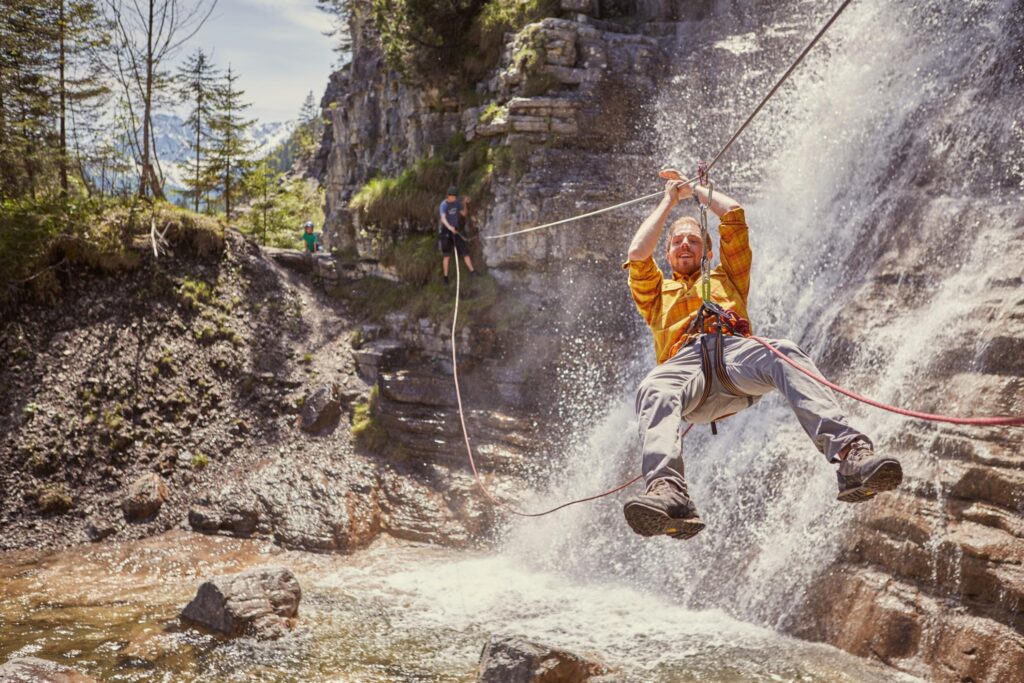
Why Extreme Adventure Travel Continues to Attract Modern Explorers
Travel preferences have evolved beyond relaxation-focused vacations, with many travelers now seeking experiences that challenge physical limits and expand personal boundaries. Extreme adventure travel has gained popularity among individuals who value adrenaline, discovery, and immersive environments over traditional sightseeing. These journeys often involve demanding terrain, unpredictable conditions, and activities that require preparation and resilience.
Adventure-focused travel appeals to those who view exploration as a way to build confidence and connect deeply with unfamiliar landscapes. Unlike conventional trips, these experiences emphasize participation rather than observation. Remote locations, intense physical activity, and close interaction with nature define this form of travel.
As access to global destinations improves, thrill-seekers are increasingly drawn to places that offer both challenge and reward. Understanding what defines extreme adventure travel helps travelers prepare responsibly and choose destinations aligned with their abilities and expectations. Careful planning ensures that excitement is balanced with safety, creating meaningful journeys that extend far beyond typical getaways.
Patagonia: Rugged Terrain and Untamed Landscapes
Patagonia stands out as one of the world’s most demanding adventure regions, offering dramatic landscapes shaped by glaciers, mountains, and fierce weather patterns. Located at the southern edge of South America, this region attracts explorers seeking raw, physically challenging environments.
Treks through Torres del Paine National Park and the Fitz Roy massif demand endurance and adaptability. Rapid weather changes require preparation and respect for natural conditions. Strong winds, steep climbs, and extended routes make Patagonia unsuitable for casual travelers but rewarding for experienced adventurers.
As part of extreme adventure travel destinations, Patagonia exemplifies how remoteness amplifies challenge. Infrastructure is limited, and self-sufficiency becomes essential. The region’s isolation enhances the sense of accomplishment for those who complete demanding routes.
Beyond physical exertion, Patagonia offers immersive experiences shaped by vast open spaces and minimal human interference. This combination of challenge and solitude continues to attract travelers seeking environments that test limits while delivering unforgettable encounters with nature.
Iceland: Volcanic Landscapes and Arctic Extremes
Iceland presents a unique blend of geological activity and extreme conditions that appeal to adventure-focused travelers. The island’s volcanic terrain, glaciers, and rapidly shifting weather create an environment where exploration demands caution and adaptability.
Activities such as glacier hiking, ice cave exploration, and winter trekking expose travelers to dynamic natural forces. Sudden weather changes require constant awareness and careful planning. Despite modern infrastructure, many remote areas remain challenging to access safely.
Within extreme adventure travel destinations, Iceland stands apart for combining accessibility with intensity. Adventurers can experience dramatic conditions without traveling far from populated areas, though the environment still commands respect.
The country’s emphasis on environmental preservation reinforces responsible exploration. Travelers who approach Iceland with preparation and humility gain insight into nature’s power while experiencing some of the planet’s most striking landscapes. This balance of accessibility and challenge makes Iceland a compelling choice for extreme adventure seekers.
Nepal: High-Altitude Challenges in the Himalayas
Nepal has long been associated with high-altitude adventure, offering some of the world’s most demanding trekking routes. The Himalayan region presents physical and mental challenges shaped by elevation, terrain, and climate.
Routes such as the Annapurna Circuit and Everest Base Camp trek require acclimatization and endurance. Altitude-related conditions can affect even experienced travelers, making preparation essential. Trekking in Nepal often involves extended periods of physical exertion combined with limited amenities.
As one of the most recognized extreme adventure travel destinations, Nepal attracts individuals seeking both challenge and cultural immersion. Remote villages and ancient pathways add depth to the experience, connecting travelers to longstanding traditions shaped by the mountains.
The intensity of Himalayan trekking reinforces the importance of pacing, awareness, and responsible travel practices. Those who complete these journeys often describe them as transformative, combining physical accomplishment with personal reflection in one of the world’s most demanding environments.
New Zealand: Adventure Sports in Diverse Natural Settings
New Zealand has established itself as a global hub for adventure sports, offering a wide range of activities across varied landscapes. From alpine regions to coastal cliffs, the country provides environments suited to high-adrenaline pursuits.
Activities such as bungee jumping, skydiving, white-water rafting, and backcountry hiking challenge both courage and physical ability. The country’s emphasis on safety standards allows thrill-seekers to engage in extreme activities with structured oversight.
Within extreme adventure travel destinations, New Zealand stands out for its diversity. Travelers can experience multiple adventure disciplines within a relatively compact area, making it ideal for extended exploration.
The country’s natural variety ensures that no two experiences feel the same. Adventure travelers benefit from well-developed support services while still encountering environments that demand focus and resilience. This combination continues to attract those seeking controlled yet intense adventure experiences.
Namibia: Desert Expeditions and Harsh Environments
Namibia offers a stark and demanding adventure environment defined by vast deserts and extreme temperatures. The Namib Desert, one of the oldest in the world, presents challenges that test endurance and planning.
Activities such as sand dune climbing, off-road expeditions, and wildlife tracking require careful navigation and respect for environmental conditions. Limited water sources and extreme heat make preparation critical for safety.
As part of extreme adventure travel destinations, Namibia appeals to travelers drawn to isolation and environmental extremes. The desert’s scale creates a profound sense of exposure, emphasizing self-reliance.
Engaging with such environments fosters appreciation for survival skills and environmental awareness. Namibia’s harsh landscapes offer a different form of adventure that prioritizes endurance and respect over speed or spectacle.
Conclusion: Choosing Adventure With Preparation and Purpose
Extreme adventure travel offers opportunities for exploration that extend far beyond typical vacation experiences. Destinations such as Patagonia, Iceland, Nepal, New Zealand, and Namibia challenge travelers physically and mentally while providing immersive encounters with powerful environments. Approaching extreme adventure travel destinations responsibly requires preparation, realistic self-assessment, and respect for natural conditions. Thoughtful planning ensures that challenge enhances rather than compromises safety. Access to guidance from a global learning and reading platform supports informed decision-making and responsible exploration. For those seeking meaningful travel experiences rooted in challenge and discovery, extreme adventure travel remains a compelling path toward personal growth and unforgettable journeys.