
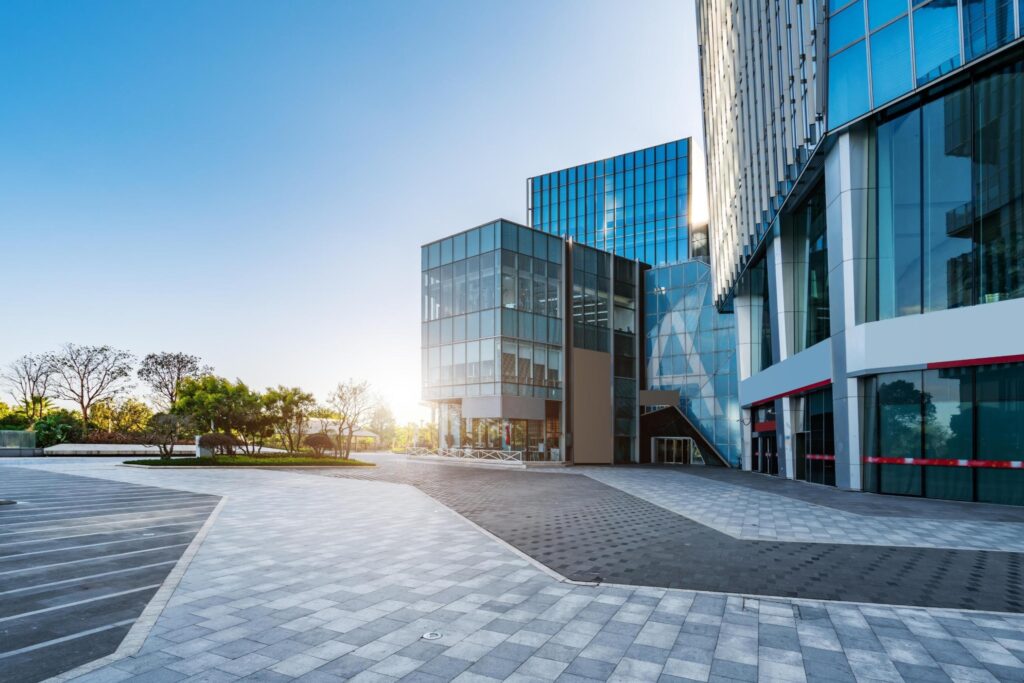
Why Commercial Property Remains a Strategic Business Consideration
Commercial real estate continues to play a significant role in how businesses operate, expand, and establish long-term stability. Despite shifts in work patterns and economic conditions, commercial properties remain essential assets across industries. Offices, retail spaces, warehouses, and mixed-use developments all contribute to business infrastructure and economic activity.
Recent market adjustments have reshaped how organizations evaluate property decisions. Flexibility, location efficiency, and long-term viability now weigh heavily alongside traditional considerations such as cost and size. Businesses are increasingly assessing how physical spaces support operational goals rather than viewing property solely as a fixed asset.
Understanding current commercial real estate conditions helps organizations make informed decisions before committing resources. Market trends, usage patterns, and evolving tenant expectations influence both risk and opportunity. With careful evaluation, commercial property can continue to serve as a strategic component of business growth and stability in changing economic environments.
Understanding the Current Commercial Real Estate Landscape
The commercial real estate landscape has undergone notable shifts in response to economic cycles, technological advancement, and changing work habits. Demand patterns vary significantly across property types, with some sectors experiencing renewed interest while others undergo repositioning.
Office spaces, for example, are adapting to hybrid work models. Rather than large centralized locations, businesses are exploring flexible layouts and smaller hubs that support collaboration. Retail properties are also evolving, with emphasis placed on experiential spaces and mixed-use developments that combine shopping, dining, and services.
Industrial properties, including warehouses and distribution centers, have seen sustained demand driven by digital commerce growth. Location proximity to transportation networks and population centers has become increasingly valuable.
Evaluating commercial real estate investment trends requires understanding how these shifts affect asset performance. Investors and business owners benefit from analyzing sector-specific dynamics rather than relying on broad market assumptions. By recognizing how different property types respond to economic change, businesses can align investment strategies with operational needs and market realities.
Key Factors Businesses Should Evaluate Before Investing
Before committing to commercial property investment, businesses must evaluate several critical factors that influence long-term value. Location remains a central consideration, affecting accessibility, workforce availability, and customer reach. Proximity to infrastructure and complementary businesses can enhance operational efficiency.
Financial assessment extends beyond purchase price. Operating costs, maintenance requirements, and potential renovation expenses must be factored into total investment evaluation. Lease structures and regulatory obligations also influence cash flow and risk exposure.
Market stability and demand forecasts play a significant role in decision-making. Understanding vacancy rates, rental trends, and regional economic indicators supports more accurate projections. Businesses that align property choices with realistic demand expectations reduce the likelihood of underutilized assets.
Within commercial real estate investment trends, due diligence remains a defining factor of successful outcomes. Thorough evaluation enables businesses to balance opportunity with risk, supporting sustainable investment decisions grounded in data rather than speculation.
Risk Management and Long-Term Planning in Property Investment
Commercial real estate investment involves inherent risk, making risk management an essential component of planning. Economic fluctuations, regulatory changes, and shifting market preferences can affect property performance over time.
Diversification across property types or locations helps mitigate exposure to sector-specific downturns. Businesses may also consider flexible leasing arrangements that allow adaptation to changing operational needs. Contingency planning further supports resilience by preparing for unforeseen disruptions.
Long-term planning involves aligning property investment with business growth trajectories. Properties should support expansion, contraction, or operational change without excessive cost. This alignment reduces friction and supports strategic agility.
Insights from a comprehensive knowledge platform help businesses understand how risk factors influence property markets over time. Learning from market analysis and case studies strengthens decision-making and promotes realistic expectations. Effective risk management transforms uncertainty into manageable exposure rather than a deterrent to investment.
Sustainability and Future-Oriented Property Considerations
Sustainability has become an increasingly influential factor in commercial real estate decisions. Energy efficiency, environmental impact, and regulatory compliance now affect property desirability and long-term operating costs.
Buildings designed with sustainability in mind often attract higher-quality tenants and demonstrate resilience to regulatory shifts. Features such as efficient energy systems, adaptable layouts, and smart technology integration support operational efficiency and environmental responsibility.
Future-oriented property planning also considers adaptability. Spaces that can be repurposed as business needs evolve offer greater long-term value. This flexibility reduces the likelihood of obsolescence and supports extended asset lifespan.
Within commercial real estate investment trends, sustainability is no longer optional but integral to forward-looking strategy. Businesses that prioritize adaptable and responsible properties position themselves for long-term relevance in evolving markets.
Aligning Property Decisions With Business Strategy
Commercial property decisions should align closely with broader business strategy rather than operate independently. Property choices influence workforce dynamics, brand perception, and operational efficiency.
A well-aligned property supports organizational culture and productivity. Location and design can enhance collaboration, customer engagement, and logistical performance. Conversely, misaligned property decisions may constrain growth or increase operational friction.
Strategic alignment also considers exit strategies. Businesses should evaluate resale potential, lease transferability, and market liquidity when making property commitments. These considerations provide flexibility and protect long-term value.
Guidance available through a comprehensive knowledge platform supports businesses in aligning property investments with strategic goals. Informed decision-making strengthens the connection between physical assets and organizational objectives, ensuring that property investments contribute meaningfully to long-term success.
Conclusion: Making Informed Commercial Property Investments
Commercial real estate remains a significant consideration for businesses seeking stability, growth, and operational efficiency. By understanding current market dynamics, evaluating key investment factors, and managing risk thoughtfully, organizations can approach property decisions with greater confidence. Awareness of commercial real estate investment trends supports informed planning and reduces exposure to uncertainty. Sustainability and adaptability further enhance long-term value, ensuring properties remain relevant as business needs evolve. Access to insights from a comprehensive knowledge platform helps businesses interpret market signals and align property strategies with organizational objectives. When approached strategically, commercial real estate investment becomes a tool for resilience rather than a source of risk, supporting sustainable business development in changing economic conditions.