
Quick Answer
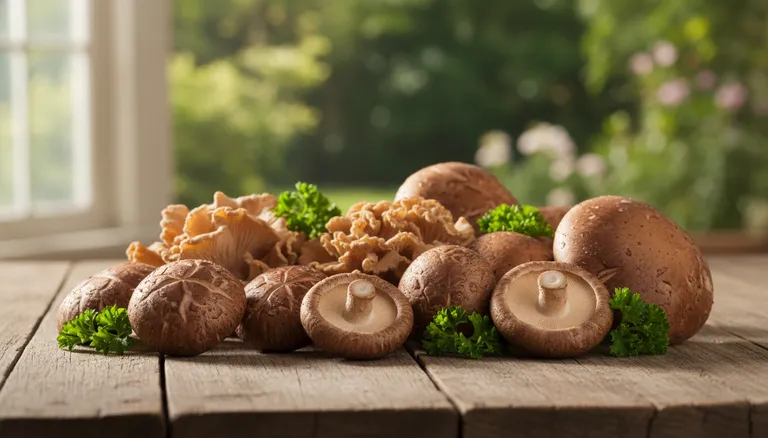
UV-exposed mushrooms — especially maitake and portobello — are the only significant plant-based source of vitamin D. Placing them gill-side up in midday sun for 60–120 minutes can raise their vitamin D2 content dramatically, making them a practical dietary alternative to supplements.
Key Takeaways
- Certain fungi can generate vitamin D when exposed to UV light, much like human skin.
- Different types, like common button and wild oyster mushrooms, contain varying amounts of this nutrient.
- Low vitamin D levels are a widespread public health concern, affecting many people.
- These foods are the only significant non-animal source of ergocalciferol, the plant form of vitamin D.
- This guide explains how the body uses this nutrient and which varieties are richest in it.
- You can learn techniques to increase the vitamin D content in mushrooms through light exposure.
- Incorporating these foods into your diet offers a natural, dietary alternative to supplements.
Introduction
Many people struggle to meet their daily nutritional needs, but a surprising ally might be hiding in the produce aisle.
This essential nutrient is crucial for immune support and bone health. Yet, studies show a large number of Americans have a deficiency. It’s a significant public health issue. For a thorough overview, see our guide on vitamin D benefits, dosage, and deficiency signs.
Fungi stand out as a unique dietary source. They can produce a form of this nutrient called ergocalciferol when exposed to light. This makes them a powerful tool for your diet.
Most commercially grown types, like common button mushrooms, are raised in darkness. This means their final nutrient profile is often low. Specific growing conditions change their content dramatically.
Understanding the difference between the plant form, D2, and the animal form, D3, is key. It helps you make informed, natural dietary choices over supplements.
Our guide provides actionable tips for selecting the best produce. We synthesize data from the USDA to help you navigate nutrition. You’ll learn how to get the most benefits from foods like oyster mushrooms.
Nutritional Benefits of Mushrooms and Historical Use
Long before they became a kitchen staple, various fungi were revered in folk practices for supporting health and cleansing.
This deep history blends seamlessly with their modern role as a nutritional powerhouse.
Traditional Medicine and Folk Practices
For thousands of years, traditional healers used these foods for their perceived healing properties. They were often part of rituals aimed at cleansing the body and promoting wellness.
Modern research is now catching up. Scientific studies have identified unique compounds in fungi, like polysaccharides and indoles. These may offer anti-inflammatory and other beneficial effects in the human body.
Modern Culinary Appeal and Umami Flavor
Today, chefs love fungi for their rich, savory taste known as umami. This flavor comes from glutamate, an amino acid also found in meats.
It allows cooks to reduce salt in dishes like soups and stews without losing flavor. This makes them a fantastic meat substitute for plant-forward diets.
With over 10,000 known types, these ingredients deliver essential minerals. Your diet gets a boost of selenium, copper, and potassium from a single serving.
They are a versatile source of key nutrients, addressing modern dietary needs rooted in ancient wisdom. Vegans and vegetarians will find our dedicated guide on how vegans and vegetarians can get enough vitamin D especially useful.
Understanding the Role of Vitamin D for Health
Adequate levels of a certain sunshine nutrient are foundational to our well-being, influencing systems far beyond just bones. Research indicates that a deficiency is a significant public health issue, affecting nearly 42% of the population in the United States.[1]
This shortfall is linked to serious conditions including multiple sclerosis and diabetes. Maintaining optimal levels is crucial for everyone, from children to seniors.
Bone Health and Immune Support
The body requires this compound to regulate calcium absorption. This process is vital for building and maintaining strong skeletal structures throughout your life.
It also plays a key role in supporting a robust immune system. Your defenses rely on adequate amounts to function properly.
Beyond these core benefits, ongoing studies explore its potential in preventing chronic diseases. While many people turn to supplements, obtaining nutrients from whole foods offers a more natural approach to daily health. Learn more about how much vitamin D per day you actually need to maintain healthy levels.
The Science Behind Vitamin D Production in Mushrooms
Imagine a food that can literally create sunshine-powered nutrition inside itself—that’s the reality for some fungi. This fascinating process relies on a specific compound reacting to light, much like human skin.
Ergosterol Conversion and UV Exposure
At the core of this ability is ergosterol. This natural substance is a structural part of fungal cells. When exposed to ultraviolet rays, it undergoes a chemical change.[2]
The result is ergocalciferol, commonly called vitamin D2. Most commercially grown types are raised in complete darkness. This environment prevents any natural synthesis from occurring.
Innovative producers now use special UV lamps. They mimic sunlight to significantly boost the final nutrient content before sale.
Differences Between Vitamin D2 and Vitamin D3
The form created in fungi is D2. Animal-based foods, like oily fish, provide a different form known as D3.
Scientific studies show both forms are effective at raising blood levels in the human body.[3] This research is crucial for addressing widespread deficiency.
This biological mechanism offers a powerful, unique plant-based source. It’s a vital dietary option for vegans and anyone seeking nutrients from whole foods. You can also explore the broader topic of vitamin D food sources and sun exposure for a complete picture.
Exploring Edible Mushroom Varieties Rich in Vitamin D
From common grocery store staples to foraged forest treasures, different types offer vastly different amounts of key nutrients. The ergocalciferol content depends on their exposure to ultraviolet rays during growth.
This creates a wide spectrum in our diet. Knowing which varieties are naturally rich helps you make smarter food choices.
Common Varieties: Button, Shiitake, and Oyster
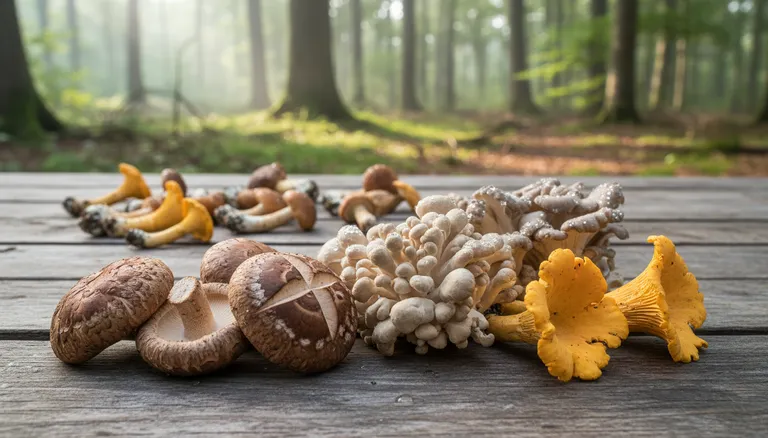
The standard white button type, Agaricus bisporus, is often grown in complete darkness. This common practice results in very low nutrient levels.
In contrast, shiitake and oyster fungi respond well to special treatment. Producers can use UV lamps to significantly boost their value. This turns them into a powerful dietary source.
Wild Varieties: Chanterelles, Morels, and Maitake
Wild-harvested chanterelles and morels soak up sunlight in nature. They can contain remarkably high amounts per serving.[4]
Maitake, or “hen of the woods,” shows incredible potential under controlled light conditions. Specialized growers report it reaching over 2000 IU.
Always forage with extreme caution. Some inedible look-alikes can cause severe stomach upset or allergic reactions.
Impact of Commercial Growing Practices on Vitamin D Levels
The way our food is grown can dramatically alter its nutritional value, a fact especially true for certain fungi.
Most large-scale farms prioritize high yield and fast harvests. This often means raising produce in dark, indoor facilities. Without exposure to ultraviolet rays, the final nutrient content remains very low.
Thankfully, innovation is changing this landscape. Leading companies, like Monterey Mushrooms, have partnered with the USDA. They use proprietary UV light technology to enhance their products.
This approach transforms ordinary fungi into a powerful dietary source. It ensures shoppers can find options rich in ergocalciferol right in the grocery aisle. For tips on getting enough vitamin D when sunlight is limited, check our guide on getting enough vitamin D in winter.
These foods are about 80–90% water. Their moist tissue is highly responsive to light. This allows for efficient conversion of natural compounds into the beneficial form.
Choosing brands that utilize this treatment is a smart move for your health. You add a vital nutrient to your diet without changing how you cook or eat.
How Exposure to Ultraviolet Light Enhances Vitamin D Content
A quick blast of light can transform ordinary fungi into a nutritional powerhouse. This process relies on a natural compound within their cells reacting to specific wavelengths.
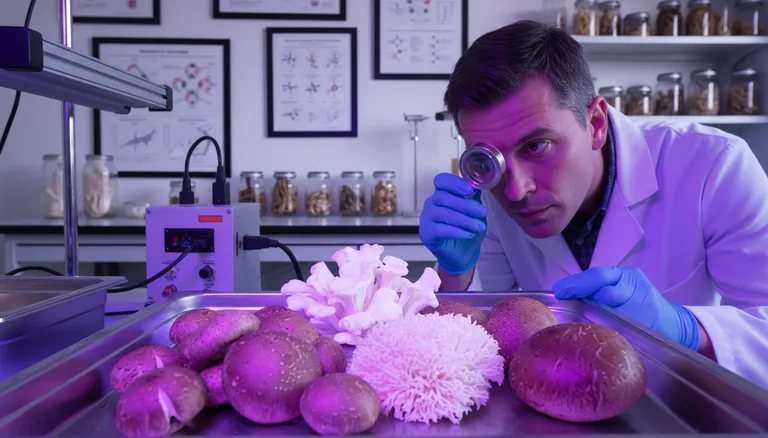
The key factor is the duration and intensity of the exposure. Both natural sunlight and specialized lamps can trigger this beneficial change.
Natural Sunlight Versus UV Lamp Techniques
Sunlight offers a free, broad-spectrum source of UV rays. However, it depends on weather, time of day, and season. This makes consistency a challenge for reliable nutrition.
Commercial UV lamps provide a controlled alternative. Studies, like one from Roberts et al. in 2008, confirm their effectiveness.[5] A brief exposure of just 15–20 seconds during processing dramatically boosts ergocalciferol levels in portabella varieties.
Even after harvest, the fleshy tissue remains active. It continues to synthesize this crucial nutrient when exposed to light. This post-harvest capability helps producers maintain high quality standards throughout the supply chain.
It ensures a potent dietary source reaches grocery stores. Consumers can then enjoy foods with enhanced benefits for overall wellness. Our guide on how much sun you need for vitamin D explains why UV intensity matters so much.
Optimizing Vitamin D in Mushrooms: Best Practices for Enriched Nutrition
Since 2020, a crucial change in food labeling has empowered consumers to make better choices. The FDA now requires that ergocalciferol content be listed on the Nutrition Facts Panel.[6]
Reading Nutrition Facts and Labeling Requirements
This rule helps you identify foods with enhanced nutrition. Look for packages stating “UV-treated” or “rich in vitamin D”.
These claims indicate the fungi were exposed to light. This process boosts their dietary value significantly.
Tips for Selecting and Purchasing UV-Treated Mushrooms
Aim for options showing at least 10 mcg per serving. This amount supports your daily health goals.
Many retailers list store locations for these items online. Always check the packaging before you buy.
Select firm caps with an even texture. Avoid any that look slimy or discolored.
Following these steps ensures you get a potent source of key nutrients. It turns simple shopping into a smart strategy for wellness. For expert guidance on supplementing alongside food sources, Remedy’s Nutrition covers vitamin D3 and K2 synergy in depth.
Cooking Techniques to Preserve Nutrient Content
Unlocking the full health potential of fungi depends heavily on your kitchen methods. The right approach safeguards delicate compounds, turning meals into powerful allies for wellness.
Because ergocalciferol is fat-soluble, cooking these foods in large amounts of oil can cause the nutrient to leach out. This means frying them deeply might reduce their dietary value.
Sautéing quickly over high heat or simmering in soups are ideal techniques. These methods preserve the delicate content while enhancing umami flavor.
Avoid boiling produce in lots of water. This can cause water-soluble B vitamins and potassium to escape into the liquid.
Grilling large portobello caps for about three minutes per side caramelizes flavor. It also maintains nutritional integrity for a delicious result.
Incorporate chopped fungi into stir-fries or omelets. This allows you to enjoy their savory taste while maximizing benefits with every bite.
Comparing Vitamin D2 in Mushrooms to Other Dietary Sources
The effectiveness of a nutrient often depends on its form and how well our bodies can use it. When looking at dietary options, it’s helpful to compare the plant-based ergocalciferol found in fungi with other common sources.
Nutrient Profile and Bioavailability
Ergocalciferol, or D2, is the primary form found in fortified foods and certain fungi. In contrast, the D3 form is typically sourced from animal products like egg yolks and oily fish.
Research from Berkeley Wellness confirms a key finding. Studies show D2 is just as effective as D3 at raising active blood levels.[7] This makes fungi an excellent dietary choice for vegans and vegetarians.
Understanding this bioavailability helps people make informed decisions. They can support long-term health goals without relying solely on animal-based supplements.
By integrating these foods into your diet, you gain a natural, whole-food source. It complements other healthy eating habits and addresses a common nutrient deficiency. Visit our hub for evidence-based vitamin and supplement information for more resources.
Storage and Handling for Maximum Nutrient Retention
Proper storage is the final, crucial step to locking in the nutritional power of your fungi.
How you handle these foods at home directly impacts their dietary value. Smart practices ensure you get all the intended benefits for your health.
For fresh varieties, always use a brown paper bag. Leave the top open to let moisture escape. This simple trick prevents spoilage and maintains texture.
Avoid tight plastic wrap at all costs. It traps humidity and causes produce to deteriorate quickly.
Never wash your fungi until you are ready to cook them. Excess water leads to a mushy, unappealing result.
“The right storage conditions turn good food into a lasting source of wellness.”
Dried types are a fantastic pantry staple. When kept in cool, dark places, they retain their potency remarkably well.
Studies show dried specimens can keep about 600 IU of ergocalciferol for up to six months.[8] This makes them a reliable source year-round.
| Storage Type | Ideal Conditions | Key Tip | Nutrient Retention |
|---|---|---|---|
| Fresh Mushrooms | Brown paper bag in fridge | Do not wash before storage | Best consumed within 7 days |
| Dried Mushrooms | Cool, dark, airtight container | Check for moisture before use | ~600 IU D2 for 6 months |
Remember, these foods are about 90% water. Freezing is not recommended, as it ruins their texture and can degrade nutrient content.
Following these guidelines helps you maximize the nutrition in every meal. It turns simple ingredients into a powerful part of your diet.
Conclusion
This guide has shown that natural, food-based solutions are within easy reach for everyone.
Certain fungi stand out as a unique dietary source of ergocalciferol. This can help combat the widespread public health issue of deficiency affecting many people.
By choosing UV-treated varieties or wild-harvested produce, you significantly boost your daily intake. Remember to check labels for specific amounts and store your items correctly to ensure maximum nutrient retention over time.
Whether you prefer common button or exotic oyster types, these foods offer incredible health benefits and a delicious umami flavor for your diet.
We hope this knowledge empowers you to make smarter, more nutritious choices the next time you shop. Embrace these natural allies for your overall wellness.
Frequently Asked Questions
Can you really get a meaningful amount of vitamin D from eating fungi?
Absolutely! While fatty fish and fortified dairy are classic sources, certain fungi are a powerful plant-based option. When exposed to ultraviolet (UV) light, they produce a significant amount of ergocalciferol (vitamin D2). For example, just a serving of UV-treated portobello or white button mushrooms can provide over 100% of your daily value.
Which edible varieties are typically the highest in this nutrient?
After UV exposure, common types like portobello, cremini, and white button mushrooms rank very high. Shiitake, especially when sun-dried, and maitake are also excellent choices. Wild-harvested types like chanterelles naturally contain some, but levels vary.
How does exposing my mushrooms to sunlight at home work?
It’s a simple and effective trick! Place your fresh, sliced fungi gill-side up on a tray in direct midday sun for 60–120 minutes. The UVB rays convert ergosterol—a compound in the fungi—into vitamin D2. This can boost their content dramatically, making them a much richer dietary source.
Does cooking destroy the nutritional benefits?
Good news—cooking does not significantly degrade this particular nutrient. Methods like grilling, sautéing, or roasting are great. In fact, lightly cooking them can make other valuable nutrients more bioavailable for your body to absorb.
What’s the difference between the form found in fungi and the one from the sun?
Fungi produce vitamin D2 (ergocalciferol), while our skin makes D3 (cholecalciferol) from sunlight. Both forms are effective at raising levels in your blood and supporting bone health and immune function. For those on a vegetarian or vegan diet, D2 from foods like these is a crucial source.
How should I store them to keep their nutrients intact?
Keep them in a paper bag in your refrigerator’s main compartment; this allows them to breathe and stay dry. Avoid plastic, which traps moisture. Use them within a week for the best quality and nutrient retention. You can also dry them to concentrate the flavor and preserve nutrients for long-term storage.
Sources
- Forrest KY, Stuhldreher WL. Prevalence and correlates of vitamin D deficiency in US adults. Nutr Res. 2011.
- Keegan RJ, et al. Photobiology of vitamin D in mushrooms and its bioavailability in humans. Dermatoendocrinol. 2013.
- Tripkovic L, et al. Comparison of vitamin D2 and vitamin D3 supplementation in raising serum 25-hydroxyvitamin D status. Am J Clin Nutr. 2012.
- Mattila PH, et al. Vitamin D content of wild edible mushrooms. J Agric Food Chem. 2002.
- Roberts JS, et al. Ultraviolet light treatment of white button mushrooms boosts vitamin D content. J Nutr. 2008.
- U.S. Food and Drug Administration. Changes to the Nutrition Facts Label. FDA.gov. 2020.
- National Institutes of Health. Vitamin D: Fact Sheet for Health Professionals. NIH Office of Dietary Supplements. 2024.
- Calvo MS, Whiting SJ, Barton CN. Vitamin D intake: a global perspective of current status. J Nutr. 2005.
- The Synergy of Vitamin D3 and K2: What You Need to Know. Remedy’s Nutrition Blog.